Category: Blog

article 501ad809 1531 41b8 bef3 909371df029d featured

Patterned Carpet Design Ideas for Your Home

Patterned Carpet Design Ideas for Your Home

When it comes to transforming a room, few elements make as significant an impact as the flooring beneath your feet. Patterned carpets offer an exciting opportunity to inject personality, visual interest, and sophisticated style into any space. Whether you’re renovating a period property in Kent or updating a modern home in East Sussex, choosing the right patterned carpet can completely redefine your interior aesthetic while delivering the comfort and practicality you need for daily life.

At The Fitted Carpet Company, we’ve helped countless homeowners across the region discover how patterned carpets can turn ordinary rooms into extraordinary spaces. From traditional designs that honour the character of historic properties to contemporary patterns that bring fresh energy to modern interiors, the options available in 2026 are more diverse and exciting than ever before.

Understanding Pattern Scale and Room Size

One of the most crucial considerations when selecting a patterned carpet is understanding how pattern scale relates to room dimensions. This relationship can make the difference between a space that feels harmonious and one that feels overwhelming or underwhelming.

patterned carpet design ideas

Large-scale patterns work beautifully in spacious rooms with high ceilings, such as the generous living rooms often found in period homes throughout Robertsbridge or Lamberhurst. These bold designs create focal points and can actually make large spaces feel more intimate and anchored. Geometric patterns with substantial repeats, oversized florals, or dramatic abstract designs suit these environments perfectly.

Conversely, small to medium-scale patterns prove ideal for more compact rooms. Delicate geometrics, subtle stripes, or fine traditional motifs prevent smaller bedrooms or studies from feeling cramped. These refined patterns add visual texture without overwhelming the space, making them particularly suitable for cottages and converted properties common in villages like Benenden or Sissinghurst.

Medium-scale patterns offer the most versatility, working effectively in a wide range of room sizes and complementing various furniture arrangements. This adaptability makes them an excellent choice for homes where rooms serve multiple purposes or where you anticipate changing your interior scheme over time.

Classic Pattern Styles That Never Fade

Certain patterned carpet designs have endured through decades of changing trends because they offer timeless appeal and remarkable versatility. Traditional patterns continue to be highly sought after, particularly in areas with abundant period architecture.

patterned carpet design ideas

Damask patterns bring elegance and formality to dining rooms and main bedrooms. These sophisticated designs feature ornate, flowing motifs that add a layer of luxury while remaining surprisingly practical for family homes. Modern interpretations often feature tone-on-tone colourings that provide pattern interest without becoming visually overwhelming.

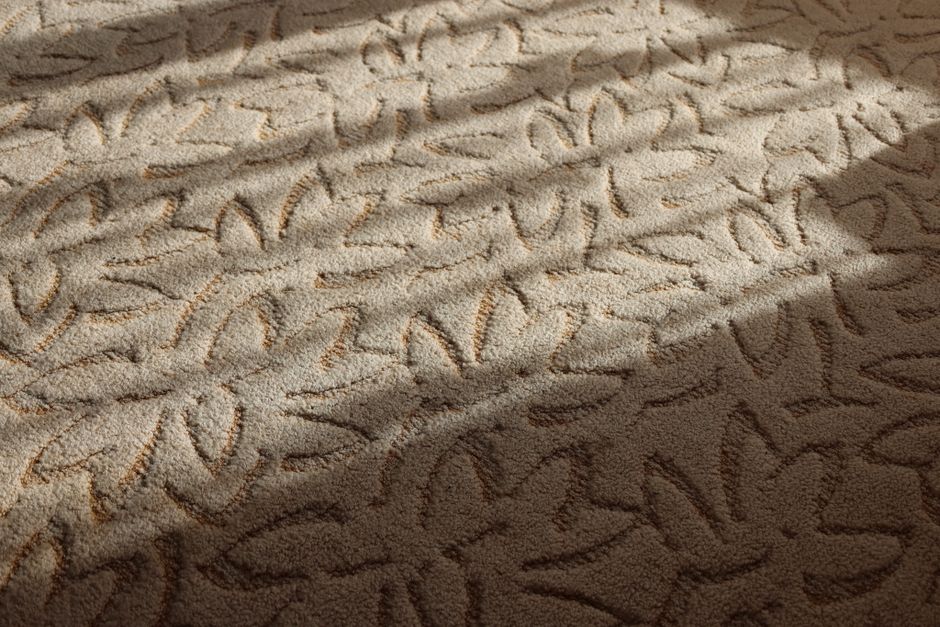
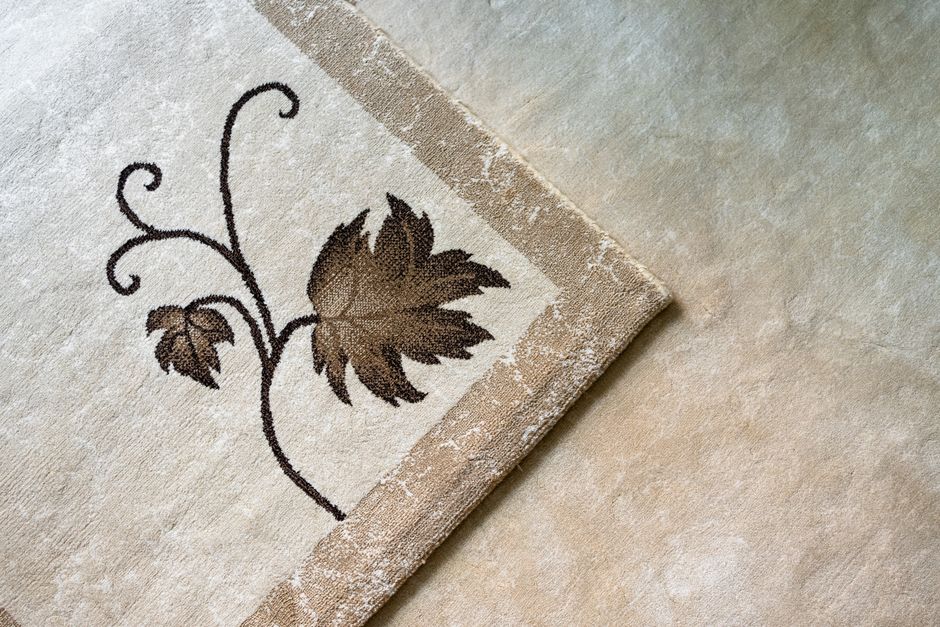
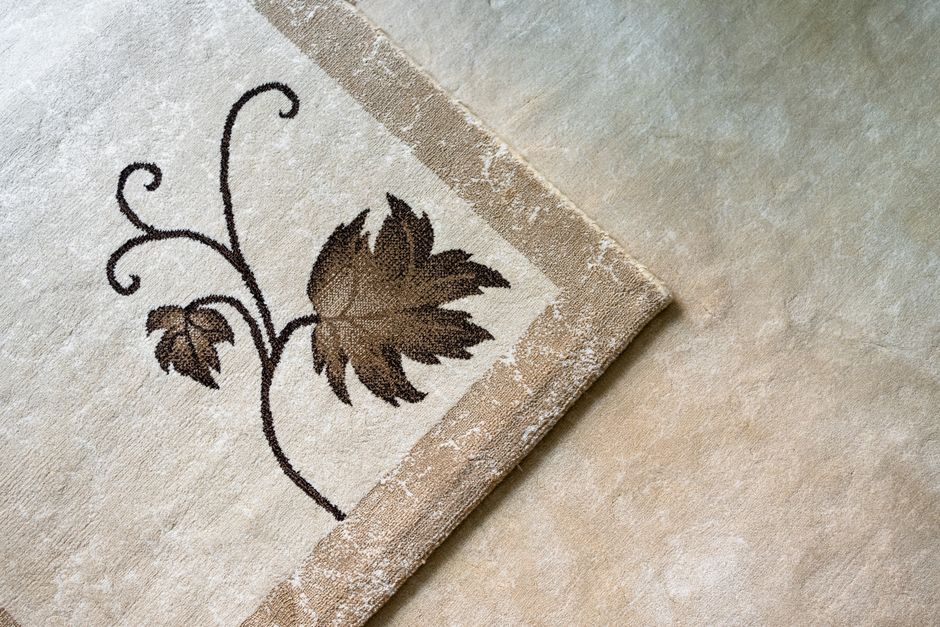
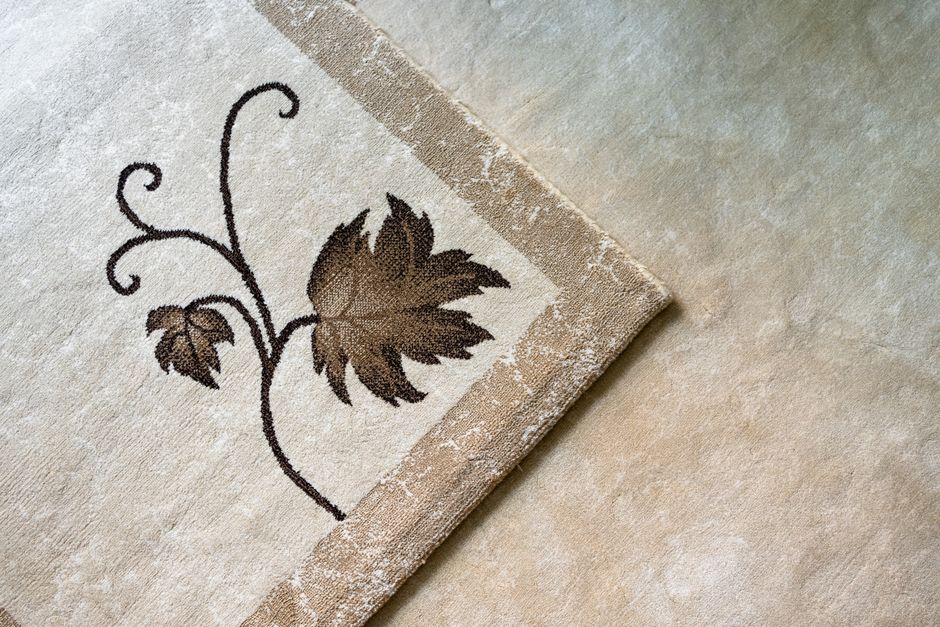
Floral designs range from cottage-style blooms to stylised botanical prints. These patterns work wonderfully in bedrooms, creating restful sanctuaries, and can bring warmth to hallways and landings. Contemporary floral carpets often feature abstract interpretations of natural forms, offering a fresh take on this classic style.

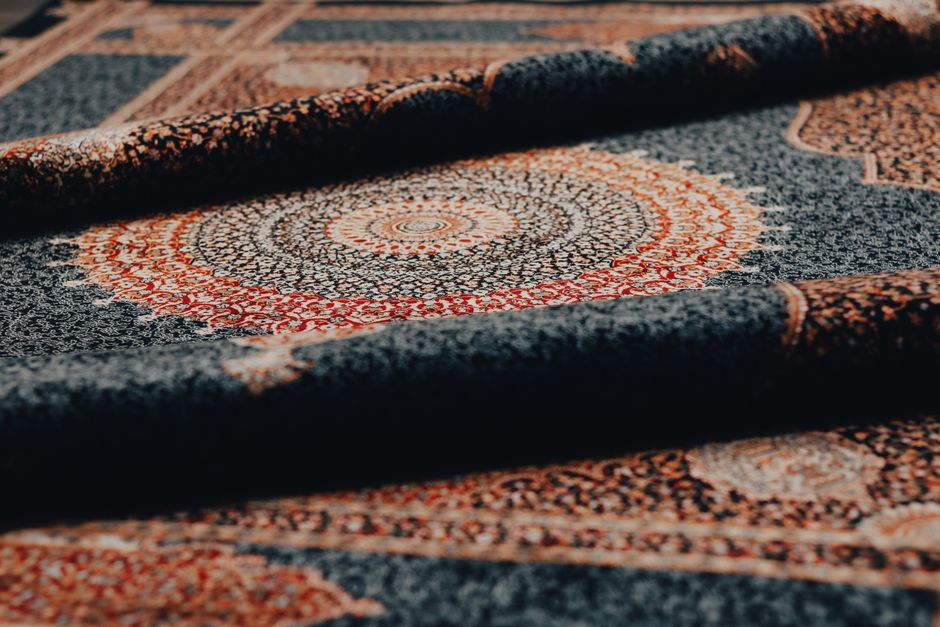
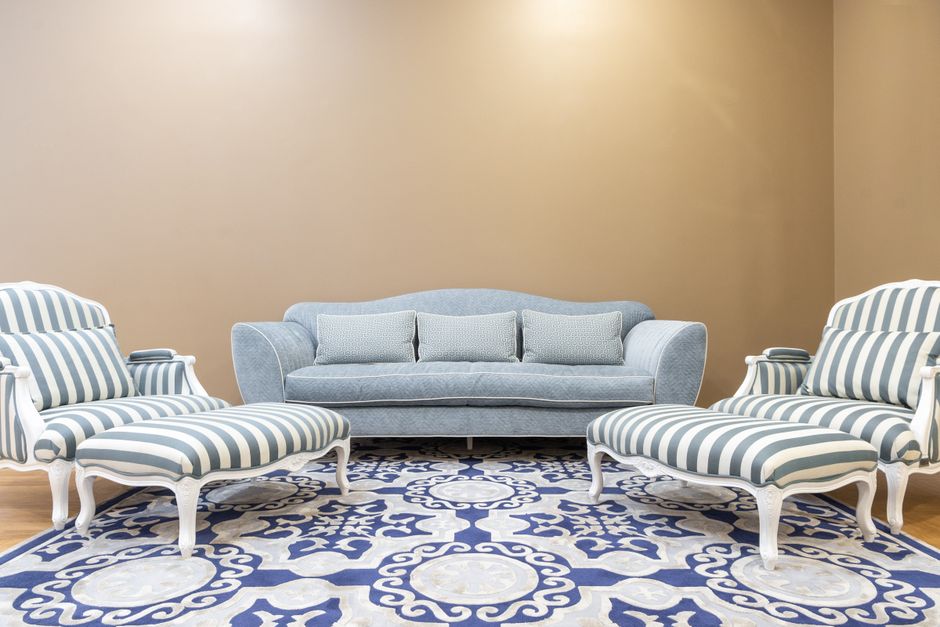
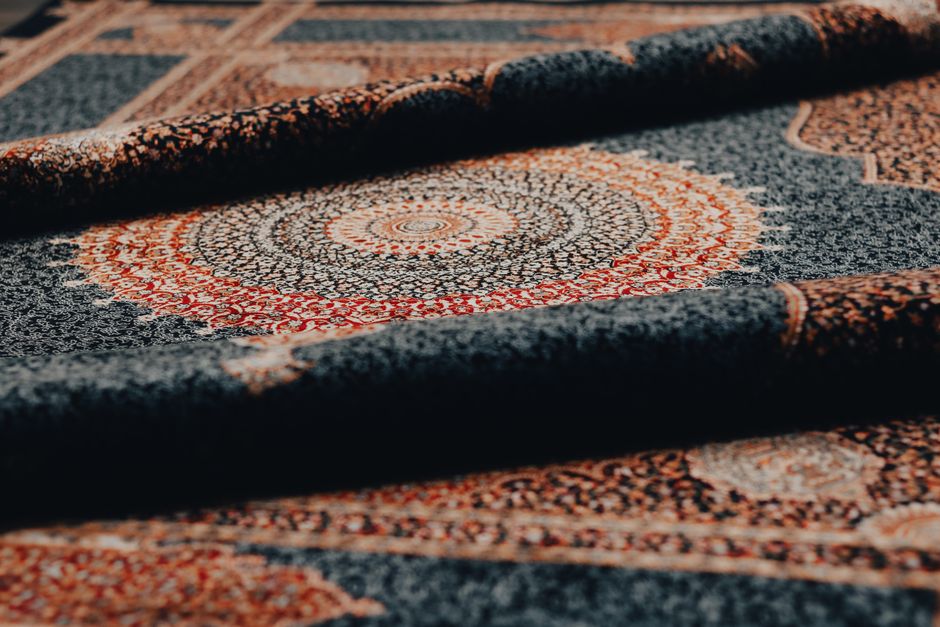
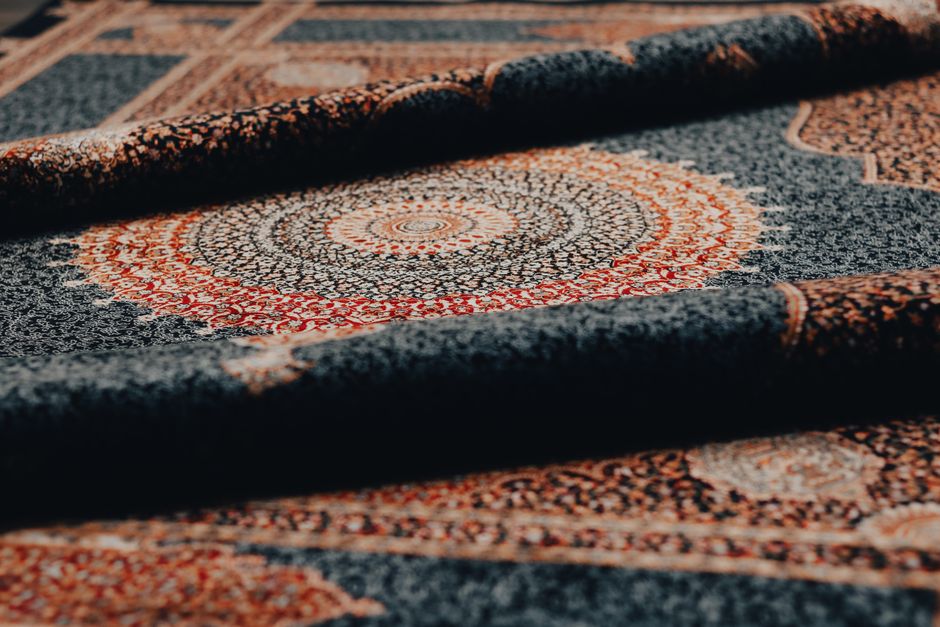
Medallion patterns create stunning focal points, particularly in formal reception rooms. These designs typically feature a central motif that draws the eye and establishes a sense of structure within a space. They work exceptionally well in rooms with minimal furniture, allowing the floor to become a true design statement.

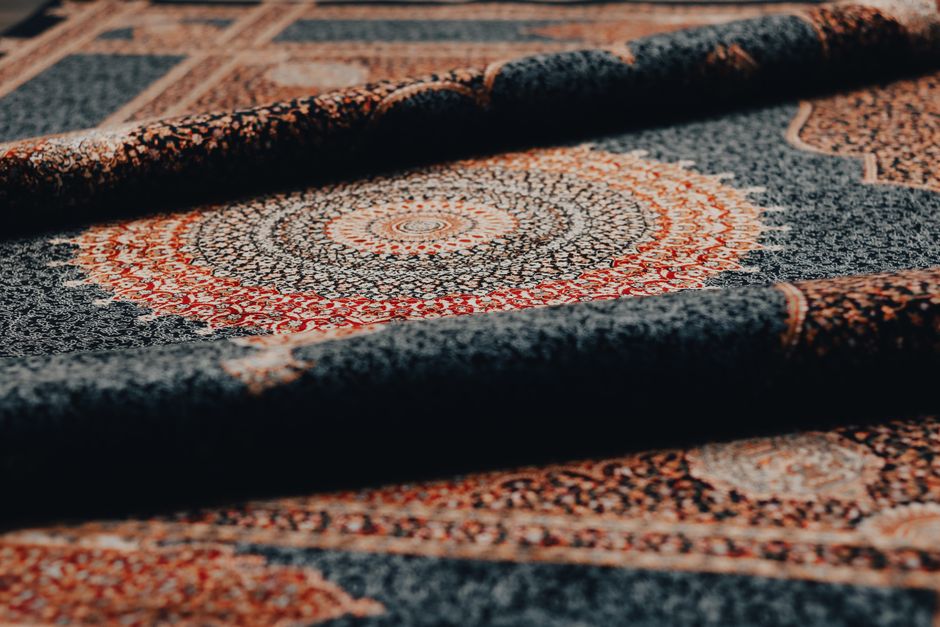
Traditional Persian and Oriental-inspired patterns bring richness and depth to interiors. While actual handwoven rugs remain treasured heirlooms, patterned carpets inspired by these traditional designs offer similar aesthetic appeal with the added benefit of wall-to-wall coverage and modern stain-resistant treatments.

Contemporary Pattern Trends for Modern Homes

For those seeking cutting-edge design, contemporary patterned carpets offer exciting possibilities that align perfectly with current interior trends while maintaining practical functionality.

patterned carpet design ideas

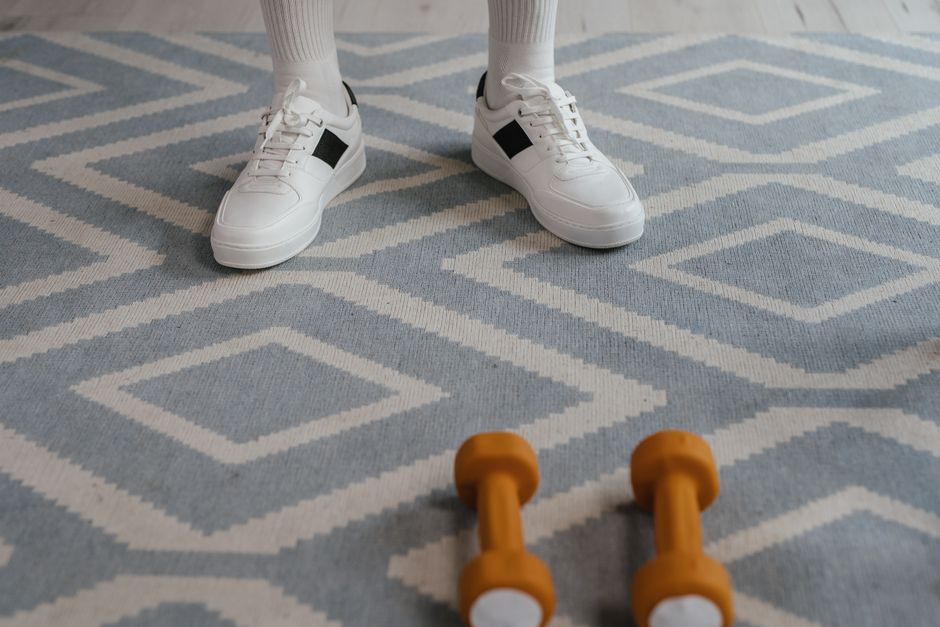
Geometric patterns dominate modern carpet design, from subtle hexagons to bold chevrons and striking angular compositions. These patterns complement contemporary furnishings beautifully and create visual movement without relying on traditional motifs. Trellis and lattice designs bridge the gap between classic and contemporary, making them ideal for transitional interiors.

Abstract patterns provide artistic expression underfoot. These designs might feature watercolour-like effects, marble-inspired swirls, or artistic interpretations of natural elements like water, clouds, or stone. Abstract patterns work particularly well in open-plan living spaces where they help define zones without physical barriers.

Textured patterns create interest through varying pile heights rather than colour contrast. These tactile designs add dimension and sophistication while maintaining a relatively neutral appearance that won’t compete with statement furniture or artwork. They’re especially popular in master bedrooms and home offices where subtle luxury is desired.

Nature-inspired organic patterns reflect the growing emphasis on biophilic design. Patterns mimicking wood grain, stone formations, or water ripples bring the outdoors in, creating calming environments that support wellbeing. This connection to natural elements can be particularly appealing in rural settings throughout Kent and East Sussex.

Selecting Colours Within Patterns

The colour palette within your patterned carpet significantly influences the overall atmosphere of your room and determines how well the flooring integrates with your existing or planned décor scheme.

Neutral-based patterns featuring variations of beige, grey, taupe, and cream offer maximum versatility. These foundations allow pattern to add interest without restricting your colour choices for walls, furniture, and accessories. They’re particularly practical for hallways and stairs that connect multiple rooms with different colour schemes.

Tone-on-tone patterns provide subtle sophistication, creating depth through pattern alone rather than contrasting colours. A grey pattern on a slightly lighter or darker grey background, for example, offers visual texture while maintaining a calming, cohesive appearance ideal for bedrooms and relaxation spaces.

Multi-coloured patterns can tie together various elements within a room. If your soft furnishings, artwork, and accessories feature several colours, a patterned carpet incorporating those hues creates harmonious unity. However, this approach requires careful planning to avoid overwhelming the space.

Bold contrast patterns featuring dramatic colour differences make strong statements. Navy and white geometrics, charcoal and cream florals, or black and beige abstracts create rooms with undeniable personality. These work best when surrounding elements remain relatively simple, allowing the floor to serve as the primary design feature.

Practical Considerations for Patterned Carpets

Beyond aesthetics, patterned carpets offer several practical advantages that make them particularly suitable for busy family homes and high-traffic areas.

Pattern naturally disguises everyday wear, minor staining, and the inevitable marks that come with daily life. This makes patterned carpets especially practical for hallways, stairs, and family rooms where traffic is constant. While no carpet is maintenance-free, patterns certainly reduce the visibility of imperfections between professional cleanings.

Installation direction matters significantly with patterned carpets. Professional fitters understand how to align patterns correctly, ensuring repeats match across seams and that the design flows naturally throughout your space. This expertise proves particularly important in larger rooms or when carpeting multiple connected areas.

Consider the pattern when planning furniture placement. Some homeowners prefer patterns that remain visible around furniture edges, while others opt for designs that create interest in the centre of rooms. Discussing your furniture layout with your carpet supplier before making final selections ensures the pattern works with your practical room arrangement.

Modern carpet technologies mean patterned options now include stain-resistant treatments, built-in underlay systems, and hard-wearing fibres suitable for even the busiest households. You no longer need to choose between style and practicality—contemporary patterned carpets deliver both.

Creating Cohesion Throughout Your Home

When selecting patterned carpets for multiple rooms, creating visual flow while allowing each space its own character requires thoughtful planning. This becomes particularly important in homes where adjoining rooms connect through open doorways or where hallways provide sight lines into several rooms.

One effective approach involves using coordinating patterns from the same collection or design family. Many manufacturers offer complementary patterns in matching colour palettes, allowing you to use a larger-scale pattern in reception rooms while selecting smaller, coordinating designs for bedrooms.

Alternatively, maintain consistent colouring while varying pattern styles. This allows each room to express different functions and personalities while the unified colour palette creates seamless transitions. A grey-based geometric in the living room might pair beautifully with a grey-based floral in the master bedroom and a grey-based stripe on the staircase.

For homes mixing patterned and plain carpets, use solid colours that echo tones within your patterned selections. This creates deliberate connections between spaces rather than jarring transitions.

Conclusion

Patterned carpets offer remarkable opportunities to enhance your home’s character, functionality, and value. Whether you’re drawn to timeless traditional designs or contemporary statements, the right patterned carpet transforms ordinary rooms into personalised spaces that reflect your taste while meeting practical daily demands. From understanding how pattern scale affects spatial perception to selecting colours that harmonise with your broader design vision, thoughtful choices ensure your flooring becomes a cherished feature of your home for years to come.

At The Fitted Carpet Company, we provide expert guidance throughout Kent and East Sussex, helping you navigate the exciting world of patterned carpet design. Our experienced team understands how to match patterns to your specific property style, lifestyle requirements, and aesthetic preferences, ensuring installations that exceed expectations. Whether you’re refreshing a single room or carpeting your entire home, we’re here to turn your flooring vision into beautiful reality with quality products and professional fitting that makes all the difference.

Cut Pile vs Loop Pile Carpet: Complete Guide

Cut Pile vs Loop Pile Carpet: Complete Guide

Choosing the right carpet for your home or business is about more than just colour and pattern. The construction of your carpet—specifically whether it’s cut pile or loop pile—dramatically affects its appearance, durability, and how it feels underfoot. As experienced carpet fitters serving homes and businesses across Kent and East Sussex, we help clients navigate this fundamental decision every day.

Understanding the difference between cut pile vs loop pile carpet empowers you to make an informed choice that suits your lifestyle, budget, and the specific rooms you’re furnishing. Let’s explore everything you need to know about these two primary carpet constructions.

What Is Cut Pile Carpet?

Cut pile carpet is created when the loops of yarn are cut at the top, creating individual yarn tufts that stand upright. This cutting process creates the soft, dense surface that most people associate with traditional carpeting. The cut ends of the fibres create a smooth, luxurious appearance that’s particularly popular in bedrooms and living areas.

cut pile vs loop pile carpet

The manufacturing process involves weaving or tufting loops of yarn into a backing material, then shearing off the tops of these loops. The resulting pile can vary significantly in height, density, and texture depending on the specific style chosen.

Common types of cut pile carpet include:

  • Saxony: Features twisted yarns cut to a uniform height, creating an elegant, formal appearance with a smooth finish
  • Textured: Uses tightly twisted yarns that are heat-set to create a casual, less formal look that hides footprints and vacuum marks
  • Frieze: Consists of highly twisted yarns that curl at the surface, creating a shaggy, informal texture
  • Velvet: Offers the smoothest, most luxurious surface with minimal twist, though it shows footprints and vacuum marks more readily

Cut pile carpets typically feel softer and more cushioned than loop pile options, making them especially popular for spaces where comfort is paramount. Many homeowners in areas like Goudhurst and Lamberhurst choose cut pile for bedrooms and formal living rooms where that plush feeling enhances the room’s ambiance.

What Is Loop Pile Carpet?

Loop pile carpet maintains the original loops of yarn without cutting them, creating a surface of uncut loops that can be uniform in height or varied. This construction method produces a durable, resilient carpet that’s exceptionally practical for high-traffic areas.

cut pile vs loop pile carpet

The loops themselves provide natural resistance to crushing and matting, as they bounce back more readily than cut fibres. This inherent resilience makes loop pile an excellent choice for commercial settings, hallways, stairs, and family rooms that see constant use.

Popular loop pile styles include:

  • Level loop: Features loops of uniform height, creating a smooth, durable surface ideal for commercial applications
  • Multi-level loop: Incorporates loops of varying heights to create pattern and texture while maintaining durability
  • Berber: Traditionally features thick, tightly looped fibres often in flecked colours, though the term now describes various loop pile styles

Loop pile carpets excel in situations where durability matters most. We frequently recommend them for commercial clients throughout Kent and for residential clients with active households, pets, or heavy foot traffic areas.

Comparing Performance and Durability

When it comes to longevity and performance, loop pile generally has the advantage in high-traffic situations. The continuous loops resist crushing and maintain their appearance longer when subjected to constant footfall. This makes them the preferred choice for commercial carpeting in offices, retail spaces, and hospitality settings across East Sussex.

cut pile vs loop pile carpet

Cut pile carpets, while potentially less durable in extreme traffic situations, offer superior comfort and a more luxurious aesthetic. Modern cut pile carpets with high twist levels and quality fibres can still deliver excellent durability for residential applications. A well-chosen textured cut pile can serve a busy family home in Sandhurst or Ticehurst admirably for many years.

Consider these performance factors:

  • Resilience: Loop pile bounces back better, while cut pile may show compression over time in heavy traffic areas
  • Stain resistance: Both types can be treated for stain resistant carpet, though loop pile’s dense construction may resist initial penetration slightly better
  • Maintenance: Loop pile often hides dirt and debris more effectively, while cut pile may show vacuum marks but feels softer underfoot
  • Longevity: With proper care, both can last 10-15 years, though loop pile typically maintains its appearance longer in commercial settings

The fibre type also significantly impacts durability. Nylon offers excellent resilience for both cut and loop constructions, while polyester provides softness in cut pile applications, and wool delivers natural luxury and durability in either style.

Comfort, Aesthetics, and Feel

The tactile experience of your carpet matters enormously, particularly in spaces where you walk barefoot or spend time on the floor. Cut pile carpets consistently win in the comfort category, offering a softer, more cushioned feel that’s particularly welcome in bedrooms, nurseries, and areas where children play.

The visual impact differs substantially between these constructions. Cut pile creates a more formal, elegant appearance with its smooth surface and rich depth. This makes it ideal for creating sophisticated interiors in period properties throughout Benenden or Sissinghurst, where traditional aesthetics matter.

Loop pile delivers a more casual, contemporary look that suits modern interiors beautifully. Its textured surface creates visual interest while maintaining a practical, unfussy character. Multi-level loop pile can introduce subtle pattern without overwhelming a space, making it versatile for both traditional and contemporary homes in areas like Wadhurst or Mayfield.

The psychological aspect of comfort shouldn’t be overlooked. Entering a room with plush cut pile carpet creates an immediate sense of luxury and relaxation, while loop pile conveys durability and practicality. Your choice sets the tone for how a space feels to inhabitants and visitors alike.

Best Applications for Each Type

Selecting the right carpet construction for specific rooms dramatically impacts satisfaction and longevity. Cut pile excels in low to moderate traffic areas where comfort takes priority over extreme durability. Bedrooms, formal dining rooms, and adult living spaces benefit from the luxurious feel and elegant appearance of quality cut pile carpeting.

Loop pile dominates in situations where durability and practicality matter most. Commercial environments, rental properties, family rooms, playrooms, hallways, and carpet for stairs all benefit from loop pile’s resilient nature. Pet owners particularly appreciate how loop pile withstands the wear from active animals, though care must be taken as pet claws can sometimes catch and pull loops.

Recommended applications:

  • Bedrooms: Cut pile (Saxony or textured) for comfort and luxury
  • Living rooms: Either type depending on traffic levels and desired formality
  • Stairs and hallways: Loop pile for durability, or high-quality textured cut pile
  • Home offices: Loop pile for chair movement and durability
  • Children’s rooms: Loop pile for durability, or soft cut pile for comfort
  • Commercial spaces: Level loop or multi-level loop for longevity and maintenance ease

Climate considerations also play a role. In homes throughout Kent and East Sussex, where moderate temperatures prevail, both options perform well. However, loop pile’s lower profile can feel slightly cooler underfoot in winter, while cut pile’s density provides marginally better insulation.

Making Your Decision

Your ideal carpet choice emerges from balancing multiple factors: traffic levels, desired comfort, aesthetic preferences, maintenance expectations, and budget. There’s no universally “better” option—only the better choice for your specific circumstances.

Start by honestly assessing how each room will be used. A master bedroom in a Rolvenden home with minimal traffic can luxuriate in deep cut pile, while a busy family room in Robertsbridge might demand the practicality of quality loop pile. Some homeowners choose different constructions for different areas, maximising both comfort and durability where each matters most.

Budget considerations often favour loop pile for value-conscious buyers, as it typically costs less per square metre while offering superior longevity in demanding applications. However, the comfort premium of cut pile justifies the investment for many homeowners in bedrooms and other personal spaces.

Don’t underestimate the value of professional advice. As specialist carpet fitters serving communities from Biddenden to Burwash, we bring decades of experience to help you select the construction that truly suits your needs. We can show you samples, discuss your specific requirements, and ensure your investment delivers lasting satisfaction.

Conclusion

The choice between cut pile and loop pile carpet fundamentally shapes your flooring’s performance, appearance, and comfort. Cut pile delivers unmatched softness and elegance for low-traffic areas and bedrooms, while loop pile offers superior durability and practicality for busy spaces and commercial applications. Neither is inherently superior—each excels in different situations.

By understanding these core differences and honestly assessing your priorities, you can select the carpet construction that transforms your Kent or East Sussex property into a comfortable, stylish, and practical space. Whether you choose the plush luxury of cut pile or the resilient practicality of loop pile, quality installation ensures your carpet performs beautifully for years to come.

At The Fitted Carpet Company, we’re here to guide you through every aspect of your carpet selection and ensure expert installation that maximises your investment. Great carpets truly do turn houses into homes.

article 5306fb3c 71dc 4804 950f 8cc73a2748ea featured

Wool Carpet vs Synthetic Carpet: Complete Guide

Wool Carpet vs Synthetic Carpet: Complete Guide

Choosing between wool and synthetic carpet is one of the most important decisions you’ll make when updating your flooring. Both materials offer distinct advantages, and understanding their differences will help you select the right option for your Kent or East Sussex home or business. At The Fitted Carpet Company, we’ve installed countless carpets across the region, and we’re here to guide you through this essential choice.

Understanding Natural Wool Carpets

Wool has been the premium carpet choice for centuries, and for good reason. This natural fibre comes from sheep fleece and offers unique properties that synthetic alternatives struggle to replicate. When you walk on a wool carpet, you’re experiencing one of nature’s most remarkable materials.

wool carpet vs synthetic carpet

Wool fibres have a natural crimp that creates millions of tiny air pockets. These pockets give wool its characteristic softness and springy feel underfoot. The same structure also makes wool naturally insulating, helping to keep your home warm during cold East Sussex winters while remaining cool in summer.

The natural lanolin in wool fibres provides inherent stain resistance. While not completely stain-proof, wool naturally repels water-based spills, giving you precious time to clean up before staining occurs. Wool is also naturally flame-resistant, often self-extinguishing when exposed to fire, making it an excellent safety choice for family homes.

One of wool’s most appreciated qualities is its environmental credentials. As a renewable resource that’s biodegradable, wool carpet offers sustainability that synthetic options cannot match. For environmentally conscious homeowners in areas like Benenden or Goudhurst, this can be a significant deciding factor.

Exploring Synthetic Carpet Options

Synthetic carpets have evolved dramatically since their introduction. Modern synthetic fibres—primarily nylon, polyester, and polypropylene—offer impressive performance characteristics that make them suitable for virtually any application.

wool carpet vs synthetic carpet

Nylon remains the most popular synthetic carpet fibre. It’s exceptionally resilient, bouncing back from compression better than most alternatives. This makes nylon ideal for high-traffic areas in both homes and commercial settings. If you’re carpeting a busy hallway in Robertsbridge or a retail space in Wadhurst, nylon’s durability is hard to beat.

Polyester carpets excel in colour retention and stain resistance. The fibre’s structure makes it difficult for spills to penetrate, and modern polyester often incorporates recycled materials, including plastic bottles, giving it environmental appeal. Polyester offers a luxurious, soft feel that many homeowners love, particularly in bedrooms and quieter living spaces.

Polypropylene, also called olefin, is the most stain-resistant synthetic option. It’s inherently resistant to moisture, mould, and mildew, making it perfect for basement installations or commercial environments where spills are frequent. While not as resilient as nylon, polypropylene offers excellent value for budget-conscious projects.

Comparing Performance and Durability

When it comes to longevity, both wool and synthetic carpets can provide years of service, but they achieve durability differently. Wool’s natural resilience means it maintains its appearance over decades when properly maintained. High-quality wool carpets in historic homes throughout Sissinghurst and Penshurst often remain beautiful after thirty years or more.

wool carpet vs synthetic carpet

Synthetic carpets, particularly nylon, offer excellent resistance to wear in high-traffic situations. While they may show matting over time, quality synthetic carpets typically outlast budget wool options. The key is selecting the appropriate fibre and pile density for your specific needs.

Wool naturally resists soiling because its fibres don’t attract dirt electrostatically. However, when wool does get dirty, it requires careful cleaning. Professional cleaning is often recommended to avoid damaging the fibres or affecting the carpet’s natural oils.

Synthetic carpets are generally easier to clean and maintain. Most modern synthetics include built-in stain treatments, and they tolerate more aggressive cleaning methods. For families with young children or pets in areas like Ticehurst or Northiam, this practical advantage is significant.

Cost Considerations and Value

The price difference between wool and synthetic carpet can be substantial. Wool typically costs two to five times more than synthetic alternatives per square metre. For a average-sized home in Bodiam or Hurst Green, this price difference can amount to thousands of pounds.

However, initial cost doesn’t tell the complete story. Wool’s exceptional durability means it often provides better long-term value. A quality wool carpet might last 25-30 years, while most synthetic carpets need replacement after 10-15 years. When you calculate cost per year of service, the gap narrows considerably.

For commercial applications, the value equation changes. High-traffic commercial environments in Lamberhurst or Staplehurst might benefit from synthetic carpets that can be replaced more frequently without significant investment. The lower replacement cost allows businesses to update their appearance regularly while managing maintenance budgets.

Installation costs remain similar for both materials. At The Fitted Carpet Company, we ensure expert fitting regardless of your carpet choice, with pricing based primarily on your space’s size and complexity rather than the material itself.

Environmental and Health Considerations

For environmentally aware homeowners, wool presents clear advantages. As a natural, renewable resource, wool is biodegradable and produced with relatively low environmental impact. Sheep farming sustains rural communities and maintains pasture lands throughout the UK and beyond.

Wool also contributes to healthier indoor air quality. The fibre naturally regulates humidity, absorbing moisture when air is damp and releasing it when conditions are dry. This helps prevent the growth of dust mites and mould, beneficial for family members with allergies or asthma.

Modern synthetic carpets have made environmental strides. Many manufacturers now use recycled materials and have reduced volatile organic compound (VOC) emissions during production. Some synthetic options now carry environmental certifications, making them more acceptable for green building projects.

However, synthetic carpets are petroleum-based products that don’t biodegrade. When disposed of, they typically end up in landfills where they persist for decades. For residents of Kent and East Sussex who prioritise sustainability, this long-term environmental impact deserves consideration.

Making Your Decision

The choice between wool and synthetic carpet ultimately depends on your priorities, budget, and lifestyle. Wool excels when you value natural materials, long-term investment, and environmental sustainability. It’s ideal for formal living rooms, master bedrooms, and spaces where you want to create a premium, luxurious feel.

Synthetic carpets shine in practical applications. They’re perfect for family rooms, children’s bedrooms, rental properties, and commercial spaces. If budget constraints are significant or you prefer easier maintenance, quality synthetic options deliver excellent performance without compromise.

Consider blended carpets as a middle ground. Wool-synthetic blends combine wool’s natural properties with synthetic durability and easier care. Many homeowners in Headcorn, Marden, and throughout our service area find these blends offer the best of both worlds.

Climate also matters. The naturally temperate conditions in Kent and East Sussex suit both materials well, but wool’s insulating properties provide particular benefit during colder months, while synthetic options handle the occasional damp conditions admirably.

Conclusion

Both wool and synthetic carpets have earned their place in modern homes and businesses. Wool offers unmatched natural beauty, longevity, and environmental credentials, making it worth the premium price for many homeowners. Synthetic carpets provide practical performance, easier maintenance, and budget-friendly options that work beautifully in countless applications.

At The Fitted Carpet Company, we help Kent and East Sussex residents and businesses navigate this decision every day. Our experience across Sandhurst, Rolvenden, Biddenden, and throughout the region has shown us that there’s no universally correct answer—only the right choice for your specific situation. We invite you to visit our showroom or request a home consultation where we can show you samples of both wool and synthetic options, discuss your needs, and help you select the perfect carpet that will turn your house into a home for years to come. Remember to also consider the underlay for carpet benefits before making your final decision.

Beige Carpet Grandeur Cameo

Underlay for Carpet Benefits: Complete Guide

Underlay for Carpet Benefits: Complete Guide

Choosing the right carpet is only half the story when transforming your home or business. The layer beneath, known as carpet underlay or padding, plays a crucial role in comfort, longevity, and overall performance. At The Fitted Carpet Company, we’ve installed carpets across Kent and East Sussex for decades, and we’ve seen firsthand how quality underlay makes all the difference in homes from Tunbridge Wells to Robertsbridge and Rye to Cranbrook.

Understanding the benefits of proper carpet underlay helps you make informed decisions that protect your investment and enhance your daily comfort. Whether you’re furnishing a Georgian cottage in Sissinghurst or a modern office space in Tenterden, the right underlay transforms how your carpet looks, feels, and performs.

Enhanced Comfort and Softness Underfoot

The most immediately noticeable benefit of quality carpet underlay is the luxurious feel it provides. Without adequate padding, even premium carpets feel thin and unforgiving, especially on solid floors. Proper underlay creates a cushioned surface that absorbs the impact of every step, reducing fatigue and making standing or walking more comfortable.

underlay for carpet benefits

This enhanced comfort proves particularly valuable in homes with older residents or those who spend considerable time on their feet. Kitchen areas, hallways, and living spaces benefit enormously from the cushioning effect. In our experience serving families across Benenden, Goudhurst, and surrounding villages, clients consistently comment on how much softer their carpets feel with proper underlay compared to previous installations.

The cushioning effect also creates a more welcoming atmosphere. When guests enter your home, they immediately sense the quality beneath their feet. This subtle luxury elevates the entire feel of your interior spaces without visible changes to your décor.

Extended Carpet Lifespan and Protection

Quality underlay significantly extends your carpet’s working life by protecting fibres from excessive wear. When you walk on carpet without adequate underlay, the fibres are compressed directly against the hard subfloor. This constant grinding action damages carpet backing and crushes pile fibres, particularly in high-traffic areas like hallways and staircases.

underlay for carpet benefits

Proper underlay acts as a shock absorber, distributing weight and reducing the impact force on carpet fibres. This protection becomes especially important in busy family homes and commercial settings throughout Kent and East Sussex. Properties in areas like Hawkhurst, Cranbrook, and Battle often feature hardwood or concrete subfloors that can be particularly unforgiving without adequate padding.

The financial benefits are substantial. By protecting your carpet investment, quality underlay delays replacement needs by years. Given the cost of premium carpets and professional installation, this protection pays for itself many times over during the carpet’s extended lifespan.

Superior Thermal Insulation Properties

Energy efficiency matters more than ever in 2026, and carpet underlay contributes significantly to your home’s thermal performance. Quality underlay provides an additional insulation layer that reduces heat loss through floors, particularly important in period properties common throughout rural Kent and East Sussex.

underlay for carpet benefits

The insulating properties of underlay create warmer floor surfaces during winter months, reducing heating costs and improving comfort. Stone, tile, or concrete floors naturally conduct heat away from rooms, but proper underlay interrupts this thermal bridge. Homes in villages like Sedlescombe, Northiam, and Peasmarsh, many featuring traditional construction methods, benefit considerably from this added insulation.

Different underlay materials offer varying insulation values, measured by tog rating. Higher tog ratings provide better thermal insulation, making them ideal for ground floor rooms, bedrooms, and properties with underfloor space. The combination of carpet and quality underlay can reduce heat loss by up to 20%, contributing to lower energy bills and a smaller carbon footprint.

Effective Sound Insulation and Noise Reduction

Modern living often involves managing noise, whether from footfall in upstairs rooms, ambient sound transmission, or echoing in large spaces. Carpet underlay excels at acoustic control, absorbing impact noise and reducing sound transmission between floors.

This acoustic benefit proves invaluable in multi-storey homes, apartments, and commercial buildings. Families with young children, properties with home offices, or converted period buildings with multiple occupants particularly appreciate the sound-dampening qualities of proper underlay. In our installations throughout Wadhurst, Ticehurst, and Heathfield, clients with upstairs bedrooms consistently report noticeably quieter living spaces after fitting quality underlay.

The sound insulation works both ways: reducing noise transmission to rooms below while also absorbing ambient sound within the room itself. This creates calmer, more peaceful environments that support concentration, relaxation, and better sleep quality. Research from health organizations indicates that peaceful home environments contribute to overall wellbeing and stress reduction.

Floor Protection and Leveling Benefits

Beyond protecting your carpet, quality underlay also safeguards your subfloor. The padding layer prevents carpet backing and foot traffic from directly impacting wooden floors, preventing gradual wear and damage. For properties throughout East Sussex and Kent featuring original floorboards or quality hardwood, this protection preserves valuable assets beneath your carpet.

Underlay also helps compensate for minor subfloor imperfections. While significant levelling requires proper floor preparation, appropriate underlay can smooth over small irregularities, creating a more uniform carpet surface. This proves particularly useful in period properties around Lamberhurst, Horsmonden, and Staplehurst, where historic floors may have settled over centuries.

Quality underlay also provides a moisture barrier that protects both carpet and subfloor from damp issues. This becomes especially important in ground floor rooms and areas prone to condensation. Many modern underlays incorporate moisture-resistant or moisture-barrier properties that prevent dampness from compromising your flooring investment.

Health and Hygiene Considerations

Modern carpet underlay offers important health benefits that enhance indoor environments. Quality underlay provides an additional filtration layer, trapping dust particles and allergens that might otherwise circulate through your home. Combined with regular vacuuming, this contributes to cleaner indoor air quality.

Anti-microbial treatments available on premium underlay products inhibit bacteria, mould, and dust mite growth. These treatments prove particularly valuable for allergy sufferers and families with young children who spend considerable time on carpeted floors. Maintaining healthy indoor environments supports general health and wellbeing for all household members.

The cushioning properties of underlay also reduce impact stress on joints and muscles. While not a substitute for proper footwear and ergonomic practices, softer flooring surfaces reduce strain during daily activities. This proves beneficial for all ages, from young children learning to walk to older adults seeking more forgiving floor surfaces.

Choosing the Right Underlay for Your Needs

Understanding underlay benefits helps you appreciate its value, but selecting appropriate underlay requires considering your specific circumstances. Factors including subfloor type, room usage, foot traffic levels, and budget all influence the optimal carpet types.

Common underlay materials include polyurethane foam, rubber, felt, and combination products, each offering distinct advantages. Polyurethane foam provides excellent cushioning at moderate cost, while rubber underlay offers superior durability and resilience. Felt underlay, often made from recycled materials, combines comfort with environmental responsibility.

Density and thickness specifications matter significantly. Higher density generally indicates better quality and longer-lasting performance, while thickness affects comfort and suitability for different carpet types. Professional installers assess your room requirements and recommend appropriate specifications for optimal results.

The Fitted Carpet Company helps residential and commercial clients throughout Kent and East Sussex select underlay that matches their needs and budget. Our experience across diverse properties, from modern builds in Headcorn to period homes in Rolvenden, ensures appropriate recommendations for every situation.

Conclusion

Quality carpet underlay delivers multiple benefits that justify its inclusion in any flooring project. From enhanced comfort and extended carpet life to improved insulation and noise reduction, proper underlay transforms carpet performance while protecting your investment. The relatively modest additional cost pays dividends through years of improved comfort, lower energy bills, and delayed replacement needs.

Whether you’re carpeting a single room or furnishing an entire property across Kent or East Sussex, investing in appropriate underlay ensures optimal results. Professional assessment and installation guarantee that your carpet system performs as intended, delivering the comfort, durability, and value you expect from quality flooring.

At The Fitted Carpet Company, we combine expert knowledge with decades of local experience to help clients make informed decisions about every aspect of their flooring. From initial selection through professional installation, we ensure your carpet investment delivers maximum comfort, performance, and longevity for years to come.

article 910117c1 6e68 40cd 806a 7136157ef454 featured

Carpet Types for Durability: a Comprehensive Guide for 2026

Carpet Types for Durability: a Comprehensive Guide for 2026

Choosing the right carpet for your home or business is about more than aesthetics. While colour and texture matter, durability should be your primary concern if you want flooring that lasts through busy family life, commercial foot traffic, and the unpredictable weather conditions common throughout Kent and East Sussex. The right carpet type can serve you beautifully for fifteen years or more, whilst the wrong choice may show wear within months.

At The Fitted Carpet Company, we’ve seen firsthand how carpet selection impacts longevity. After fitting thousands of carpets across properties from Robertsbridge to Headcorn, we’ve learned which carpet types truly stand the test of time. This guide explores the most durable carpet options available in 2026, helping you make an informed decision that protects your investment.

Understanding Carpet Durability Factors

Before exploring specific carpet types, it’s essential to understand what makes a carpet durable. Several interconnected factors determine how well a carpet withstands daily wear:

carpet types for durability

Fibre composition forms the foundation of carpet durability. The material from which carpet fibres are manufactured directly affects resistance to crushing, staining, and fading. Different fibres offer distinct advantages depending on your specific needs.

Density and pile weight measure how tightly fibres are packed together. A denser carpet with more fibres per square inch naturally resists crushing and maintains its appearance longer. You can test density by pressing your thumb into a carpet sample—quality, durable carpet springs back quickly.

Twist rating indicates how many times fibres are twisted together per inch. Higher twist counts generally mean greater durability, as tightly twisted fibres resist matting and unraveling. Look for carpets with twist ratings of five or higher for high-traffic areas.

Backing quality provides structural integrity. The backing holds fibres in place and affects how carpet responds to moisture, a particularly important consideration in areas like Bodiam or Sedlescombe where dampness can be an issue. Quality backing prevents delamination and extends carpet life.

Nylon Carpets: The Durability Champion

Nylon remains the gold standard for carpet durability in 2026, and for excellent reason. This synthetic fibre offers an exceptional balance of strength, resilience, and longevity that makes it ideal for both residential and commercial applications.

carpet types for durability

The molecular structure of nylon gives it remarkable tensile strength. Nylon carpets resist crushing better than any other fibre type, springing back to their original shape even after years of foot traffic. This resilience makes nylon particularly suitable for hallways, staircases, and living areas in family homes throughout Goudhurst, Wadhurst, and surrounding villages.

Modern nylon carpets incorporate advanced stain-resistant treatments at the manufacturing stage. Unlike topical treatments that wash away over time, these integrated protections remain effective throughout the carpet’s life. Spills from red wine, coffee, or muddy boots—common hazards in rural Kent and Sussex properties—wipe away easily when addressed promptly.

Nylon also offers excellent fade resistance, maintaining colour vibrancy even in south-facing rooms with strong sunlight exposure. The fibre accepts dye exceptionally well, providing rich, lasting colour that won’t bleach or discolour over time.

For commercial clients requiring carpet for shops, offices, or hospitality venues, nylon provides the durability necessary to withstand constant traffic whilst maintaining a professional appearance. We regularly install nylon carpets in commercial settings across Tunbridge Wells and the surrounding business districts.

Nylon 6 vs Nylon 6,6

Two types of nylon exist in carpet manufacturing. Nylon 6,6 offers slightly superior resilience and heat resistance, making it the premium choice for ultimate durability. Nylon 6 provides excellent performance at a more accessible price point. Both significantly outperform most other carpet fibres in durability testing.

Polypropylene Carpets: Budget-Friendly Durability

Polypropylene, also known as olefin, offers impressive durability characteristics at a lower price point than nylon. This synthetic fibre has gained popularity for specific applications where its unique properties provide distinct advantages.

carpet types for durability

The inherent stain resistance of polypropylene sets it apart. Rather than requiring chemical treatments, polypropylene fibres are naturally stain-resistant because they don’t absorb moisture. This makes polypropylene carpets particularly suitable for family homes with children and pets, or for areas prone to spills.

Polypropylene resists fading exceptionally well, as the colour is integrated during manufacturing rather than applied afterward. This solution-dyed process means the colour runs through the entire fibre, making polypropylene carpets ideal for conservatories and bright rooms where sunlight exposure is significant.

However, polypropylene has lower resilience than nylon. It may flatten more quickly in very high-traffic areas, making it less suitable for commercial applications or main hallways. For bedrooms, studies, and moderate-traffic living spaces, polypropylene offers excellent value and longevity.

Properties throughout Ticehurst, Benenden, and similar locations often benefit from polypropylene carpets in secondary rooms, combining affordability with practical durability for spaces that don’t endure constant traffic.

Wool Carpets: Natural Durability with Character

Wool represents the premium natural option for durable carpeting. Used in floor coverings for thousands of years, wool offers a unique combination of performance characteristics that synthetic fibres struggle to match.

The natural crimp in wool fibres creates exceptional resilience. Wool carpets spring back from compression naturally, maintaining their appearance over decades rather than years. Historic homes throughout Lamberhurst and Penshurst often feature wool carpets that have served beautifully for thirty years or more.

Wool possesses natural flame-resistance without chemical treatments, an important safety consideration for both residential and commercial properties. The fibre is inherently difficult to ignite and self-extinguishing, providing peace of mind alongside durability.

Natural soil resistance is another wool advantage. The fibre’s scaly surface repels dirt, whilst its ability to absorb and release moisture helps maintain indoor air quality—particularly beneficial in the variable humidity conditions common across Sussex and Kent.

Wool carpets do require more careful maintenance than synthetics. Professional cleaning extends their life significantly, and they’re more susceptible to moth damage if not properly cared for. Despite this, wool remains the choice for discerning homeowners seeking natural materials with proven longevity.

Many period properties in areas like Sissinghurst and Burwash choose wool carpets to complement their home’s character whilst ensuring durability that matches the building’s timeless quality.

Polyester Carpets: Emerging Durability Technology

Modern polyester carpets represent significant technological advancement from earlier generations. Whilst polyester once offered limited durability, contemporary manufacturing techniques have transformed this fibre into a viable option for certain applications.

Triexta, a refined polyester variant, provides durability approaching nylon at a mid-range price point. This newer fibre technology offers excellent stain resistance and good resilience, making it suitable for family homes without the premium cost of nylon or wool.

Polyester carpets excel in softness and colour richness. The fibre accepts dye beautifully, producing vibrant colours with luxurious feel underfoot. For bedrooms and low-traffic areas where comfort matters as much as durability, polyester provides an appealing option.

However, polyester still trails nylon in high-traffic performance. For main thoroughfares, commercial spaces, or homes with large dogs, nylon remains the superior choice. Polyester suits private rooms where its softness can be enjoyed without extreme wear concerns.

Carpet Construction: Loop Pile vs Cut Pile Durability

Beyond fibre type, carpet construction significantly impacts durability. The way fibres are formed into carpet surface affects both performance and longevity.

Loop pile carpets feature uncut loops of fibre, creating an extremely durable surface ideal for heavy traffic. Berber-style carpets exemplify this construction, offering exceptional crush resistance. Loop pile works beautifully in commercial settings, hallways, and busy family areas throughout properties in Marden, Staplehurst, and beyond.

The continuous loop structure distributes weight across more surface area, preventing individual fibres from bearing excessive stress. This makes loop pile particularly suitable for office spaces and commercial environments where durability is paramount.

Cut pile carpets feature fibres cut at the top, creating a softer, more luxurious feel. Whilst generally less durable than loop pile, high-quality cut pile carpets with dense construction and quality fibres still offer excellent longevity for residential applications.

Cut and loop combinations blend both construction types, creating patterned surfaces that hide wear whilst providing good durability. These carpets offer visual interest alongside practical performance.

For ultimate durability in high-traffic areas, twisted pile construction with high twist counts provides the best performance in cut pile carpets. The tight twisting helps fibres resist crushing and maintain their upright position longer.

Matching Carpet Type to Your Specific Needs

Selecting the most durable carpet type requires matching fibre and construction to your specific circumstances. Consider these factors when making your decision:

Traffic levels should guide your primary choice. Main hallways, living rooms, and commercial spaces demand nylon or dense loop pile carpets. Bedrooms and studies can accommodate softer options like wool or polyester without sacrificing practical longevity. For advice on specific high-traffic areas, you might find our guide on how to choose carpet for stairs helpful.

Household composition matters significantly. Homes with children, pets, or frequent guests need carpets that resist staining and crushing. Nylon provides the best all-round performance for active households, whilst polypropylene offers excellent stain resistance at lower cost.

Aesthetic preferences shouldn’t be ignored even when prioritising durability. Modern manufacturing means you needn’t sacrifice appearance for performance. High-quality nylon and wool carpets both offer beautiful options that perform exceptionally well.

Environmental conditions in Kent and East Sussex include variable humidity and occasional dampness. Quality underlay and proper installation prevent moisture issues, but choosing carpets with good backing and appropriate fibre types helps ensure longevity in local conditions.

Maintenance commitment varies by carpet type. Wool requires more careful attention, whilst nylon and polypropylene offer easier care. Consider your willingness to invest time in maintenance when selecting carpet type.

Budget considerations must balance initial investment against long-term value. Premium nylon or wool costs more initially but may prove more economical over fifteen years than replacing cheaper carpet twice. Calculate total cost of ownership rather than focusing solely on purchase price.

Professional guidance helps navigate these considerations. At The Fitted Carpet Company, we assess your specific circumstances and recommend carpet types that deliver genuine durability for your situation, ensuring your investment performs beautifully for years to come.

Conclusion: Investing in Lasting Quality

Carpet durability extends far beyond initial appearance. The right carpet type, properly installed and maintained, transforms your flooring from temporary covering into lasting investment. Nylon leads in overall durability performance, wool offers natural resilience with timeless appeal, and polypropylene provides practical stain resistance for family life.

Understanding fibre characteristics, construction types, and how they match your specific needs empowers better decision-making. Whether you’re carpeting a period property in Rolvenden, a modern family home in Ewhurst Green, or commercial premises in any town across Kent and East Sussex, selecting durable carpet types ensures your flooring serves you well into the 2030s and beyond.

The Fitted Carpet Company brings decades of local experience to every installation. We supply and fit quality carpets chosen specifically for durability in your environment, backed by expert installation that maximises carpet life. For those looking for local expertise, you can find local carpet fitters near me East Sussex through our services. From initial selection through professional fitting, we’re committed to carpets that turn houses into homes—beautifully, and lastingly. If you’re wondering about the financial aspect, our carpet fitting cost for East Sussex guide can provide a complete overview.

article 1e669ef8 98b4 4e91 ab5d ea52b77cac79 featured

How to Measure a Room for Carpet

How to Measure a Room for Carpet

Measuring a room for carpet might seem straightforward, but getting it right is crucial to avoid costly mistakes and ensure you order the correct amount of material. Whether you’re planning to carpet a bedroom in your Goudhurst home or fitting out a commercial space in Tunbridge Wells, accurate measurements will save you time, money, and potential headaches. At The Fitted Carpet Company, we’ve helped countless homeowners and businesses across Kent and East Sussex with their carpet installations, and we’re here to guide you through the measuring process step by step.

Stop standing in hallways doing maths.

INTRODUCING CARPETCUTPRO

Measure → Plan → Materials → Quote. CarpetCutPro helps flooring fitters and shops create cleaner cut plans, calculate materials and get quotes moving faster.

Why Accurate Measurements Matter

Before diving into the how-to, it’s worth understanding why precision matters. Ordering too little carpet means delays, additional delivery charges, and potential colour matching issues if you need to reorder from a different batch. Ordering too much means wasted money and excess material that may be difficult to return. Professional carpet fitters like our team always build in a small allowance for pattern matching and cutting, but this should be calculated systematically rather than guessed.

how to measure a room for carpet

For homes throughout Robertsbridge, Wadhurst, and surrounding areas, we regularly encounter rooms with alcoves, bay windows, chimney breasts, and other architectural features that make measuring more complex. These characteristics add charm to period properties but require careful consideration when calculating carpet requirements.

Essential Tools and Preparation

Before you begin measuring, gather the following tools:

how to measure a room for carpet
  • A steel tape measure: at least 5 metres long for accuracy and rigidity
  • Paper and pencil: for sketching the room layout and recording measurements
  • Calculator: for converting measurements and calculating area
  • Spirit level or straight edge: useful for checking wall alignment
  • Someone to help: a second person makes measuring much easier and more accurate

Clear the room as much as possible, removing furniture and rugs so you can measure wall to wall without obstructions. If complete clearance isn’t possible, at least ensure you have access to all corners and edges of the room.

Step-by-Step Measuring Guide

Start by sketching a simple floor plan of your room on paper. This doesn’t need to be to scale, but it should show the basic shape and any permanent fixtures like fitted wardrobes, bay windows, or alcoves. Label each wall (Wall A, Wall B, etc.) to keep track of your measurements.

how to measure a room for carpet

Measuring Rectangular Rooms

For a basic rectangular room, measure the length and width at their longest points. Always measure in metres and centimetres for carpet calculations, as this is the industry standard.

Measure the length of the room at three points: near one wall, through the centre, and near the opposite wall. Walls are rarely perfectly straight, so use the longest measurement to ensure adequate coverage. Repeat this process for the width.

Record these measurements on your sketch. For example, if your room measures 4.82 metres long and 3.67 metres wide, write these clearly beside the relevant walls.

Dealing with Irregular Shapes

Many homes across Benenden, Sissinghurst, and Cranbrook feature rooms with alcoves, chimney breasts, or L-shaped layouts. For these spaces, break the room down into manageable rectangles or squares on your sketch.

Measure each section separately, treating alcoves as additional rectangles extending from the main room. For a bay window area, measure the depth of the bay and its width at the widest point. Note these as separate measurements on your plan.

For L-shaped rooms, divide the space into two rectangles where they naturally join. Measure each rectangle independently, noting where they connect.

Measuring Doorways and Fixed Features

Carpet typically runs under doors and into doorframes, so measure to the edge of the door frame rather than leaving the doorway out of your calculations. This ensures a professional finish without visible gaps.

For built-in wardrobes or other fixed furniture, measure up to the unit unless you’re planning to remove it. Make a note on your sketch of any features where carpet shouldn’t extend.

Calculating Carpet Requirements

Once you have your measurements, you’ll need to calculate the total area and consider carpet roll widths. Standard carpet rolls typically come in widths of 4 metres or 5 metres, though some styles are available in 3.66 metres or other sizes.

For a simple rectangular room, multiply length by width to get the area in square metres. However, because carpet comes in rolls, you often can’t simply order the exact area. The roll width determines how the carpet will be laid and whether joins will be necessary.

If your room is 4.82 metres long and 3.67 metres wide, and you’re using a 4-metre wide carpet roll, the carpet would be laid with the 4-metre width running across the 3.67-metre dimension. You’d need a piece 4 metres wide by 4.82 metres long, giving you a slight excess on one dimension.

For rooms wider than the roll width, you’ll need seams. Professional fitters position these in low-traffic areas and away from natural sight lines. This planning is where professional expertise becomes invaluable.

Adding Wastage Allowance

Always add extra for cutting and fitting. A standard allowance is 10 centimetres on length and width for straight cuts, but patterned carpets requiring pattern matching may need considerably more—sometimes 30 to 50 centimetres depending on the pattern repeat.

For stairs, measure the width of the staircase, the depth of each tread (the flat part you step on), and the height of each riser (the vertical part). Count the number of steps, then multiply tread plus riser by the number of steps, adding extra for landing areas. If you’re wondering how to choose carpet for stairs, we have a helpful guide on that too.

Special Considerations for Different Carpet Types

The type of carpet you choose affects how much material you’ll need. Patterned carpets must be aligned so the pattern flows correctly throughout the room, which can significantly increase wastage. Large pattern repeats may mean purchasing extra length to ensure patterns match at seams.

Loop pile carpets have a direction to the pile, and professional fitters ensure this runs consistently throughout the installation. This may influence how the carpet is cut from the roll.

For commercial installations—something we handle regularly for businesses throughout Maidstone and Royal Tunbridge Wells—carpet tiles offer an alternative that simplifies measuring. These typically come in 50cm x 50cm squares, making area calculation more straightforward, though you should still add 10% for cutting and future replacements. For larger business needs, check out our commercial carpet suppliers Kent information.

When to Call in Professional Help

While measuring your own rooms is entirely possible, there are situations where professional measuring services provide peace of mind. Complex room shapes, expensive carpet choices, or large-scale projects benefit from expert assessment.

At The Fitted Carpet Company, we offer free measuring and quotation services throughout Kent and East Sussex. Our experienced team can assess your space, advise on the most economical way to lay carpet to minimise wastage, and identify any subfloor issues that might need addressing before installation.

Professional measurers also understand how different carpet backings and qualities affect installation requirements. Some carpets need specific underlay types or floor preparation, factors that aren’t obvious when you’re simply measuring room dimensions. If you’re looking for carpet fitting cost East Sussex, our team can provide a detailed quote.

For properties with uneven floors, sloping ceilings, or period features—common in historic villages like Cranbrook, Tenterden, and Battle—professional assessment ensures these quirks are accommodated in the final carpet order, and can be handled by our local carpet fitters near me East Sussex.

Conclusion

Measuring a room for carpet requires patience, attention to detail, and systematic recording of dimensions. By following these steps—gathering the right tools, carefully measuring length and width at multiple points, sketching your room layout, and calculating requirements based on carpet roll widths—you’ll be well-prepared to order the correct amount of carpet for your project.

Remember to account for pattern matching, add appropriate wastage allowances, and consider how doorways and fixed features affect your measurements. For straightforward rectangular rooms, DIY measuring works perfectly well, but don’t hesitate to request professional measuring services for complex spaces or high-value installations.

Whether you’re carpeting a cosy cottage in Hawkhurst or a modern home in Paddock Wood, accurate measurements are the foundation of a successful carpet installation. At The Fitted Carpet Company, we’re always happy to verify measurements, offer advice, or provide complete measuring services to ensure your carpet project runs smoothly from start to finish. Quality carpets deserve quality installation, and that begins with getting the measurements exactly right.

Carpet Cleaning Home DM bigstock purchase

How to Get sick smell out of carpet

How to Get sick smell out of carpet is one of those household questions that tends to arrive without an appointment. One minute the carpet is behaving itself, the next it is wearing a fresh mark, smell, dent, or mystery patch like an unwanted badge. The good news is that most carpet problems can be improved, and many can be solved completely, with a calm approach, the right tools, and a little patience.

When the issue involves pets or odours, you need to treat both the visible mess and the invisible residue. If smell molecules are left behind, the problem often comes back even when the carpet looks clean on the surface. Below you will find a practical method, prevention tips, and signs that the underlay or subfloor may need attention as well.

Step-by-step method

  1. Start by removing loose debris. Vacuum gently or lift solids with a spoon, blunt knife, or paper towel. Avoid pressing the mess deeper into the fibres.
  2. Blot with white paper towels or a clean white cloth. Work from the outside of the mark toward the centre so the affected area does not spread.
  3. Test any cleaning solution on a hidden corner first. Different carpets react differently, and a colour change is much harder to fix than the original stain.
  4. Use small amounts of solution rather than flooding the carpet. Too much moisture can push residue into the backing or underlay and create a second problem.
  5. Rinse lightly with clean water after treatment and blot again. Leaving product in the pile often attracts dirt and can make the patch look worse later.
  6. Dry thoroughly with airflow. Open windows, use a fan, and avoid foot traffic until the carpet is fully dry.

Why the problem keeps coming back

Many carpet issues return because only the surface was treated. Residue in the pile, moisture in the backing, contamination in the underlay, or dust trapped at the edges can pull the same problem back into view. A complete fix usually means dealing with both what you can see and what the carpet has quietly tucked underneath.

Mistakes to avoid

  • Scrubbing hard enough to roughen the pile or spread the stain outward.
  • Using strongly coloured cloths that can transfer dye into the carpet.
  • Mixing random cleaning products and hoping chemistry will be in a good mood.
  • Leaving the area damp for too long, especially if the underlay may have absorbed moisture.

When to call a professional

Bring in a professional if the carpet is expensive, the affected area is large, the stain or smell has soaked into the underlay, there is repeated pest activity, or DIY attempts have already changed the texture or colour. Professional cleaners, fitters, and pest specialists have access to stronger equipment, better diagnostics, and the kind of experience that saves a lot of second-guessing.

Frequently asked questions

How to Get sick smell out of carpet

Yes, in many cases it can be improved or solved completely, especially when you act quickly, use the correct method for the carpet type, and avoid over-wetting or over-scrubbing.

What should I test before treating the full area?

Test the cleaning product or method on a hidden section first. Check for colour loss, texture change, or damage to the backing.

How long should I wait before deciding whether it worked?

Wait until the carpet is fully dry. Many marks look lighter or darker while damp, and some residue only becomes obvious after drying.

Tools that usually help

For most carpet jobs, a small kit goes a long way: white microfibre cloths, paper towels, a spoon or blunt scraper, a vacuum with a clean head, lukewarm water, a plain spray bottle, and a carpet-safe detergent or specialist stain remover suited to the issue. A fan is useful for drying, and in odour cases an enzyme-based product can be more effective than a heavily perfumed cleaner because it targets the residue rather than trying to merely out-sing it.

How to protect the carpet afterwards

Once the area is clean and dry, avoid heavy traffic for a while and vacuum the surrounding space when everything has settled. Use entrance mats, rotate rugs, trim pet claws where appropriate, and deal with spills as soon as possible. Prevention is rarely glamorous, but it is the quiet hero in the cape. Good habits reduce repeat staining, odours, tracking, and wear, which means the carpet looks better and lasts longer.

Final thoughts

How to Get sick smell out of carpet does not need panic, only a sensible plan. Start gently, work in stages, keep moisture under control, and dry the area properly before judging the result. If the issue is stubborn, widespread, or tied to the subfloor, underlay, or an active pest problem, professional help is often the fastest route to a genuinely clean and lasting finish.

A final practical tip: keep white cloths, paper towels, a blunt scraper, and a small spray bottle ready in a cupboard. Most carpet emergencies are easier to handle when you do not spend the first ten minutes rummaging for supplies while the stain settles in like an unwanted tenant.

article 1482e2a6 032d 4729 923f af21746c20fa featured

Stain Resistant Carpet Options for Modern Homes in 2026

Stain Resistant Carpet Options for Modern Homes in 2026

Choosing the right carpet for your home involves balancing aesthetics, comfort, and practicality. For families with children, pet owners, and those seeking long-lasting flooring solutions, stain resistant carpet options have become an essential consideration. At The Fitted Carpet Company, we understand that life happens—spills, muddy paws, and everyday accidents are inevitable. That’s why we’re dedicated to helping homeowners across Kent and East Sussex select carpets that combine beauty with durability and easy maintenance.

Modern carpet technology has advanced significantly, offering homeowners an impressive array of stain-resistant options that don’t compromise on style or comfort. Whether you’re furnishing a busy family home in Goudhurst, updating a commercial space in Wadhurst, or creating an elegant setting in Sissinghurst, understanding the latest stain-resistant carpet technologies will help you make an informed decision that serves your needs for years to come.

Understanding Stain Resistance Technology

Stain resistance in carpets is achieved through various manufacturing processes and treatments. The most effective approaches incorporate protection at the fiber level, creating a barrier that prevents liquids and dirt from penetrating deep into the carpet structure. Modern stain-resistant carpets utilize either built-in protection during fiber production or post-manufacturing treatments applied to finished carpets.

stain resistant carpet options

The science behind stain resistance involves creating a protective coating around individual carpet fibers. This coating repels liquids, preventing them from being absorbed immediately and giving you crucial time to clean up spills before permanent staining occurs. Advanced technologies also incorporate anti-soiling properties that prevent dirt particles from adhering to fibers, making regular vacuuming more effective at maintaining your carpet’s appearance.

When evaluating stain-resistant options, it’s important to understand that no carpet is completely stain-proof. However, properly treated carpets significantly reduce the likelihood of permanent staining and extend the time window for effective spot cleaning. The key is choosing a carpet with quality protection and maintaining it properly through regular cleaning and prompt attention to spills.

Popular Stain Resistant Carpet Materials

Different carpet fibers offer varying levels of natural stain resistance, and when combined with protective treatments, they provide excellent performance in real-world conditions. Nylon remains one of the most popular choices for stain-resistant carpeting due to its inherent durability and ability to accept advanced protective treatments. High-quality nylon carpets treated with stain-resistant technology offer exceptional longevity and are ideal for high-traffic areas in both residential and commercial settings.

stain resistant carpet options

Polyester carpets have gained popularity in recent years, particularly for homeowners seeking eco-friendly options. Many polyester carpets are manufactured from recycled materials, and the fiber itself naturally resists water-based stains. Polyester’s built-in stain resistance makes it an excellent choice for homes with children or pets, though it may not match nylon’s long-term durability in extremely high-traffic areas.

Wool carpets, while traditionally considered more susceptible to staining than synthetics, now benefit from modern protective treatments that enhance their natural resilience. Wool possesses inherent soil-resistant properties due to its structure and natural oils. When treated with contemporary stain-protection technologies, wool carpets combine luxury, sustainability, and practical stain resistance. These premium options are particularly suited to formal living spaces and bedrooms where the natural beauty and comfort of wool can be fully appreciated.

Solution-dyed carpets represent another technological advancement in stain resistance. In this manufacturing process, color is added to the fiber during production rather than applied afterward. This means the color runs throughout the entire fiber, making it virtually impossible for stains to alter the carpet’s appearance permanently. Solution-dyed carpets also offer superior fade resistance, maintaining their vibrant appearance even in sun-exposed rooms common in homes throughout Benenden and Robertsbridge.

Branded Stain Protection Systems

Several manufacturers have developed proprietary stain protection systems that have become industry standards. Scotchgard protection, one of the most recognized names in stain resistance, creates a protective shield around carpet fibers. This treatment works on multiple fiber types and provides reliable protection against both water-based and oil-based stains when properly maintained.

stain resistant carpet options

Stainmaster technology represents another leading stain protection system, offering not only stain resistance but also enhanced soil resistance and improved durability. Carpets featuring Stainmaster protection undergo rigorous testing to ensure they meet specific performance standards, giving homeowners confidence in their investment. This technology has proven particularly effective in family homes across areas like Ticehurst and Bodiam, where active lifestyles demand resilient flooring solutions.

Teflon-based treatments provide another effective option for stain resistance. Originally developed for non-stick cookware, this technology adapts well to carpet protection, creating a barrier that repels liquids and prevents staining agents from bonding with fibers. Carpets treated with these advanced systems typically come with manufacturer warranties that cover stain resistance, providing additional peace of mind.

Choosing the Right Stain Resistant Carpet for Your Space

Selecting the ideal stain-resistant carpet requires considering your specific needs, lifestyle, and the function of each space. For busy family rooms, hallways, and staircases, prioritize maximum durability and stain resistance. Nylon carpets with professional-grade stain protection treatments excel in these high-traffic areas, maintaining their appearance despite daily wear and inevitable spills.

For bedrooms and formal living areas, you may prioritize comfort and aesthetics while still benefiting from stain protection. Polyester or wool carpets with appropriate treatments offer the luxury feel many homeowners desire while providing adequate protection against occasional spills. The softer texture of these materials creates a welcoming atmosphere perfect for relaxation spaces.

Commercial environments, from offices in Sandhurst to retail spaces in Headcorn, demand carpets that withstand intense foot traffic while maintaining a professional appearance. Commercial-grade carpets offer the best combination of stain resistance, durability, and ease of maintenance for these applications. Their superior fade resistance ensures your commercial space maintains a fresh, professional look despite constant use.

Households with pets face unique challenges that make stain resistance particularly crucial. Look for carpets specifically marketed as pet-friendly, which typically feature enhanced stain and odor resistance. Some manufacturers now offer carpets with specialized treatments that neutralize odors at the molecular level, addressing one of the primary concerns for pet owners. The texture and pile height also matter—shorter, tighter pile carpets tend to trap less pet hair and are easier to clean.

Maintaining Your Stain Resistant Carpet

Even the most advanced stain-resistant carpets require proper maintenance to perform optimally. Regular vacuuming removes dirt and debris before they can work their way into carpet fibers, preventing the gradual dulling that occurs when soil accumulates. For best results, vacuum high-traffic areas at least twice weekly and less-used spaces weekly. This simple routine significantly extends your carpet’s lifespan and maintains its stain-resistant properties.

Prompt attention to spills is essential, regardless of your carpet’s stain-resistant rating. When accidents occur, blot—never rub—the affected area with a clean, absorbent cloth. Work from the outside of the spill toward the center to prevent spreading. For most water-based spills, clean water and gentle blotting suffice. For more stubborn stains, use cleaning solutions recommended by your carpet manufacturer to avoid damaging protective treatments.

Professional deep cleaning should be scheduled every 12 to 18 months, even for stain-resistant carpets. Professional cleaning removes deeply embedded dirt and refreshes protective treatments, restoring your carpet’s appearance and performance. At The Fitted Carpet Company, we can advise on appropriate cleaning schedules based on your specific carpet type and household conditions. Many modern stain-resistant carpets actually benefit from periodic professional treatment reapplication, which renews their protective barrier and extends their effective lifespan.

Protecting high-traffic areas with runners or area rugs provides an additional layer of defense, particularly in entryways where outdoor dirt and moisture are tracked inside. This strategy is especially valuable in rural areas of East Sussex where muddy conditions during wet months can challenge even the best stain-resistant carpets. Implementing a shoes-off policy indoors dramatically reduces the amount of dirt and potential staining agents introduced to your carpets.

Cost Considerations and Long-Term Value

Stain-resistant carpets typically carry a higher initial cost compared to untreated alternatives, but this investment pays dividends over time. The extended lifespan and reduced need for professional stain removal treatments offset the premium price. Additionally, stain-resistant carpets maintain their appearance longer, delaying the need for replacement and providing better long-term value.

When budgeting for new carpet, consider the total cost of ownership rather than just the initial purchase price. A quality stain-resistant carpet that lasts 12 to 15 years proves more economical than a cheaper option requiring replacement after 5 to 7 years. Factor in the costs of cleaning, maintenance, and potential stain removal when comparing options. For families with young children or pets, the stress reduction and peace of mind provided by effective stain resistance represent valuable intangible benefits.

Many carpet manufacturers offer warranties covering stain resistance, typically ranging from 5 to 25 years depending on the product quality and protection system. These warranties provide protection against manufacturer defects and ensure the stain-resistant treatment performs as advertised. Carefully review warranty terms, as they often require proper maintenance and professional installation—services The Fitted Carpet Company provides throughout Kent and Sussex.

Conclusion

Stain-resistant carpet options have evolved to meet the demands of modern living without sacrificing style or comfort. From advanced fiber technologies to protective treatments, today’s carpets offer unprecedented resistance to everyday spills and accidents. Whether you’re renovating a period home in Lamberhurst, furnishing a new build in Marden, or updating a commercial space in Woodchurch, selecting the right stain-resistant carpet ensures your flooring investment performs beautifully for years to come.

At The Fitted Carpet Company, we’re committed to helping you navigate the wide range of stain-resistant options available. Our expertise in carpet selection and professional installation ensures your new carpet not only resists stains effectively but also complements your space and meets your specific needs. Contact us to explore the latest stain-resistant carpet technologies and discover how we can transform your home or business with quality carpets supplied and expertly fitted across Kent and East Sussex.

article ddfc2ae3 c04c 4812 b28a 0b87fee0dd8c featured

Carpet for High Traffic Areas: the Complete Guide to Durability and Style

Carpet for High Traffic Areas: the Complete Guide to Durability and Style

Choosing the right carpet for high traffic areas requires careful consideration of both durability and aesthetics. Whether you’re furnishing a busy family hallway in Benenden, a commercial reception area in Tunbridge Wells, or a bustling staircase in Robertsbridge, selecting carpeting that withstands constant footfall while maintaining its appearance is essential. At The Fitted Carpet Company, we’ve spent years helping homeowners and businesses across Kent and East Sussex find the perfect balance between practicality and beauty.

High traffic zones in your home or business premises face unique challenges. Hallways, staircases, living rooms, and commercial entrances endure thousands of footsteps daily, along with dirt, moisture, and general wear. The wrong carpet choice can result in premature wear, unsightly matting, and the need for costly early replacement. This comprehensive guide explores everything you need to know about selecting, installing, and maintaining carpets designed to withstand the test of time in your busiest spaces.

Understanding High Traffic Carpet Requirements

High traffic carpets must meet specific performance standards that differ significantly from those in bedrooms or occasional-use rooms. The primary concern is durability, which encompasses several factors including fiber resilience, twist construction, and density. A carpet’s ability to resist crushing and matting determines how well it maintains its appearance over years of constant use.

carpet for high traffic areas

Density refers to how tightly packed the carpet fibers are. Higher density carpets provide better resistance to crushing and create a more durable surface. When examining carpet samples, you can assess density by pressing your thumb into the pile and observing how easily you can feel the backing. If you can easily reach the backing, the carpet lacks sufficient density for heavy-use areas.

The twist count of carpet fibers also plays a crucial role in durability. This measurement indicates how many times the fibers are twisted per inch. Higher twist counts, typically ranging from five to seven twists per inch for high traffic applications, create more resilient fibers that spring back after compression. This characteristic helps maintain the carpet’s appearance even in areas receiving constant footfall.

Best Carpet Fiber Types for Busy Areas

Not all carpet fibers perform equally under heavy use. Understanding the characteristics of different materials helps you make an informed decision for your specific needs.

carpet for high traffic areas

Nylon stands as the gold standard for high traffic carpeting. Its exceptional resilience, stain resistance, and durability make it ideal for both residential and commercial applications. Nylon fibers bounce back after compression better than any other material, maintaining their appearance for years. Modern nylon carpets also feature advanced stain treatments that repel spills and resist soiling, particularly important in homes with children or pets.

Wool offers natural durability combined with luxurious comfort. While more expensive than synthetic options, wool provides excellent resilience and naturally resists soiling. The fiber’s structure allows it to hide dirt effectively while remaining relatively easy to clean. Many of our clients across Goudhurst and Lamberhurst appreciate wool’s premium feel in their entrance halls and main corridors, where making a lasting impression matters.

Polypropylene, also known as olefin, provides a budget-friendly option with good stain resistance. While not as resilient as nylon, polypropylene works well in areas where stain resistance is a priority over ultimate durability. This fiber resists moisture absorption, making it suitable for areas near external doors where rain and mud are concerns.

Polyester carpets have improved significantly in recent years, with newer varieties offering enhanced durability. While traditionally considered less suitable for heavy traffic, modern polyester carpets with high twist and density can perform adequately in moderately busy areas, offering good value and excellent color retention.

Carpet Construction Styles for Maximum Durability

The construction method significantly impacts a carpet’s suitability for high traffic areas. Different styles offer varying levels of durability and maintenance requirements.

carpet for high traffic areas

Loop pile carpets, including berber styles, excel in high traffic situations. The continuous loops of yarn create an exceptionally durable surface that resists crushing. Level loop constructions distribute wear evenly across the entire carpet, preventing the formation of traffic patterns. These carpets work particularly well in commercial settings and busy residential hallways throughout Cranbrook and Hawkhurst.

Cut pile carpets with high twist, often called textured or frieze carpets, also perform admirably under heavy use. The tightly twisted fibers stand upright and resist matting while providing a softer feel underfoot than loop styles. This construction hides footprints and vacuum marks effectively, maintaining a consistently attractive appearance.

Cut and loop combinations offer visual interest through pattern variation while maintaining durability. These carpets work well in semi-formal areas where you want style alongside practicality. However, ensure the construction density remains high enough for your specific traffic levels.

Avoid long, loose pile carpets, shag styles, and plush velvets in high traffic zones. While luxurious, these constructions crush easily and show every footprint, requiring constant maintenance to look their best. Reserve these styles for bedrooms and low-traffic entertaining spaces.

Color and Pattern Considerations

Strategic color and pattern selection can significantly reduce the visible impact of wear and soiling in busy areas. While personal preference always plays a role, certain choices prove more practical for high traffic zones.

Multi-tonal colors hide dirt and wear patterns far more effectively than solid, uniform shades. Carpets with subtle color variation, such as tweeds or heathered effects, camouflage the inevitable soiling that occurs in entrance areas and hallways. Medium tones typically outperform both very light and very dark colors in concealing dirt.

Patterns naturally disguise traffic patterns and minor staining. Geometric designs, subtle stripes, or organic patterns draw the eye while hiding imperfections. Many commercial properties across Tenterden and Rye choose patterned carpets specifically for this practical advantage.

Surprisingly, darker colors often show dust, pet hair, and lint more visibly than medium tones, despite their intuitive appeal for hiding dirt. Very light colors obviously show staining quickly. The sweet spot typically falls in the medium range—think taupes, greys, multi-tonal browns, and muted greens or blues.

Proper Installation and Underlay Selection

Even the highest quality carpet will underperform without proper installation and appropriate underlay. Professional fitting ensures your investment delivers maximum lifespan and performance.

Quality underlay provides essential cushioning, thermal insulation, and noise reduction while extending carpet life significantly. For high traffic areas, choose underlay specifically rated for heavy use, typically with a density of at least 125 kg/m³. The underlay absorbs impact and reduces wear on the carpet backing, preventing premature failure.

Professional installation eliminates common problems like poor seaming, inadequate stretching, and improper joins. A properly stretched carpet resists wrinkling and wear patterns, maintaining its appearance longer. At The Fitted Carpet Company, our expert installers ensure your carpet is fitted to exacting standards, whether you’re in Sissinghurst, Wadhurst, or anywhere across our service area.

Power stretching, rather than knee kicking, provides the tight installation necessary for longevity in high traffic areas. This professional technique eliminates ripples and ensures the carpet remains taut over years of use.

Maintenance and Care for Longevity

Proper maintenance significantly extends the life of high traffic carpeting. Establishing a regular cleaning routine prevents premature wear and keeps your carpet looking fresh.

Vacuum frequently—at least twice weekly in high traffic areas, and daily in commercial settings. Use a vacuum with strong suction and a beater bar to lift embedded dirt before it cuts carpet fibers. Regular vacuuming removes abrasive particles that cause premature wear.

Address spills immediately to prevent staining. Blot liquids with clean, white cloths, working from the outside of the spill inward to prevent spreading. Avoid rubbing, which can damage fibers and spread the stain deeper into the pile.

Schedule professional carpet cleaning annually, or semi-annually for extremely busy areas. Professional equipment extracts embedded dirt that household vacuums cannot reach, refreshing the carpet’s appearance and extending its lifespan. Many of our Kent clients pair this with their spring-cleaning routines.

Consider walk-off mats at exterior entrances to reduce the amount of dirt tracked onto your carpet. Studies suggest that approximately 80% of soil in buildings comes from outdoors on people’s shoes. Quality entrance matting can capture much of this before it reaches your carpet.

Commercial vs. Residential High Traffic Needs

While both commercial and residential high traffic areas require durable carpeting, the specific demands differ significantly.

Commercial carpets typically feature lower pile heights, extremely high density, and often incorporate solution-dyed fibers for superior colorfastness. They’re engineered to withstand thousands of daily footfalls while meeting fire safety regulations. Businesses across Battle, Rye, and surrounding areas often require carpets that maintain professional appearance despite constant use.

Residential high traffic carpets can balance durability with greater comfort underfoot. While your hallway endures significant use, it doesn’t face the same intensity as a hotel corridor or office reception. This allows for slightly softer textures while maintaining adequate durability through proper fiber selection and construction.

Understanding your specific traffic patterns helps determine the appropriate specification. A family hallway in Biddenden experiences different demands than a rental property entrance in Sedlescombe, and recommendations should reflect these variations.

Conclusion

Selecting carpet for high traffic areas requires balancing durability, aesthetics, and budget. By choosing appropriate fiber types like nylon or wool, opting for dense, well-constructed carpets with high twist counts, and ensuring professional installation with quality underlay, you can enjoy beautiful, long-lasting flooring in your busiest spaces. Strategic color and pattern selection further enhances practicality, while proper maintenance protects your investment for years to come.

At The Fitted Carpet Company, we’ve helped countless homeowners and businesses across Kent and East Sussex find the perfect carpeting solutions for their high traffic areas. Our expertise in fiber selection, construction quality, and professional installation ensures you receive carpets that combine durability with the style that turns houses into homes. Whether you’re furnishing a busy family corridor in Headcorn, a commercial space in Cranbrook, or any area between, our team provides expert guidance tailored to your specific needs and budget.

The right carpet can withstand years of heavy use while maintaining its beauty and comfort. With careful selection and proper care, your high traffic carpets will continue to enhance your space long into the future.

article 4ee28275 4da6 436e 82de ba8fe24690e5 featured

How to Choose Carpet for Stairs

How to Choose Carpet for Stairs

Choosing the right carpet for your stairs is one of the most important decisions you’ll make when carpeting your home. Stairs endure significant wear and tear, require specific safety considerations, and serve as a visual centrepiece connecting different levels of your property. Whether you’re renovating a period property in Benenden or updating a modern home in Tunbridge Wells, understanding the unique demands of stair carpeting will help you make an informed choice that balances durability, safety, and aesthetic appeal.

Understanding the Unique Demands of Stair Carpets

Stairs present challenges unlike any other area in your home. Every step you take concentrates pressure on the edge of each tread, creating wear patterns that can quickly deteriorate unsuitable carpets. The combination of horizontal treads and vertical risers means your carpet must be flexible enough to conform to these angles while remaining securely fitted to prevent dangerous slipping or tripping hazards.

how to choose carpet for stairs

In homes across Kent and East Sussex, where many properties feature traditional staircases with intricate woodwork or modern open-plan designs, the carpet you choose becomes both a functional necessity and a design statement. The right choice can enhance architectural features, reduce noise transmission between floors, and provide cushioning that makes navigating stairs safer and more comfortable for all family members.

Consider that your stair carpet will likely receive more foot traffic than any other carpeted area in your home. Every journey between floors, multiple times daily for years, means these surfaces need exceptional resilience. Unlike living room carpets where weight distributes evenly, stair treads experience concentrated impact at their edges, demanding materials specifically engineered for this purpose.

Selecting the Right Carpet Material and Construction

The material composition of your stair carpet directly impacts its longevity and performance. Wool remains the premium choice for stairs, offering natural resilience, excellent dirt resistance, and the ability to recover from compression. An 80/20 wool-nylon blend combines wool’s luxurious feel with nylon’s exceptional durability, creating an ideal solution for high-traffic stair applications.

how to choose carpet for stairs

For households with active families or pets, 100% nylon carpets provide outstanding wear resistance and stain protection. Modern nylon fibres have evolved considerably, offering softness that rivals natural materials while maintaining superior strength. Polypropylene represents a budget-friendly alternative, though it may not provide the same longevity as wool or nylon for heavily-used staircases.

Carpet construction matters tremendously for stairs. Twist pile carpets, where fibres are tightly twisted together, excel at hiding footprints and maintaining their appearance under constant use. Loop pile constructions offer excellent durability but can snag on shoes or pet claws. Cut and loop combinations provide textural interest while delivering good performance, though plain twist piles generally prove most practical for stairs.

Pay close attention to pile density and weight. A dense, tightly-packed pile will resist crushing and wear far better than a looser construction. For stairs, look for carpets with a pile weight of at least 40 ounces per square yard and a density rating above 3,000. These specifications ensure your carpet maintains its appearance and structural integrity despite the concentrated traffic patterns unique to staircases.

Safety Considerations for Stair Carpets

Safety must be your primary concern when selecting stair carpet. According to health authorities, falls on stairs represent a significant cause of home injuries, making proper carpet selection and installation critical for household safety. The right carpet provides traction underfoot, reducing slip risks while cushioning any potential falls.

how to choose carpet for stairs

Choose carpets with a low to medium pile height for stairs. While plush, deep-pile carpets feel luxurious underfoot in bedrooms, they create instability on stairs where secure footing is essential. A pile height between 8mm and 12mm offers the optimal balance between comfort and safety, providing cushioning without compromising stability.

Colour and pattern play unexpected safety roles. Very dark or very light solid colours can make it difficult to distinguish individual stair edges, increasing trip risks, particularly for elderly residents or those with visual impairments. Patterns, subtle variations, or mid-tone colours help define each step clearly, improving depth perception as you navigate the staircase.

The carpet underlay beneath your stair carpet deserves careful consideration. Stair-specific underlays typically have higher density than those used on flat floors, providing stability while offering cushioning. Never use thick, soft underlays on stairs, as they can create a spongy surface that compromises footing and makes the carpet more likely to shift or wrinkle.

Colour, Pattern, and Style Selection

Your stair carpet significantly influences your home’s overall aesthetic, serving as a vertical design element visible from multiple vantage points. In properties throughout Cranbrook, Hawkhurst, and surrounding areas, stair carpets often bridge different flooring types between levels, requiring thoughtful coordination with adjacent spaces.

Neutral tones offer timeless versatility, complementing various décor styles while minimising the visual impact of inevitable wear and soiling. Greys, beiges, and taupes remain perennially popular, providing sophisticated backgrounds that won’t overwhelm period features or compete with statement décor elements. These shades work particularly well in homes with abundant natural light, common in rural Kent and Sussex properties.

Patterned carpets excel at concealing wear patterns and soiling, making them exceptionally practical for busy households. Subtle flecks, heathers, or small-scale geometric designs disguise traffic marks whilst adding visual interest. Striped patterns, particularly those running perpendicular to stair treads, can create striking contemporary looks, though they require precise installation to maintain pattern alignment.

Consider how your stair carpet relates to adjacent floor coverings. If your hallway features carpet, a complementary rather than identical choice for stairs can create sophisticated definition between spaces. When stairs connect carpeted upper floors with hard flooring below, selecting a stair carpet that bridges these materials through colour coordination creates cohesive visual flow throughout your home.

Practical Considerations for Installation and Maintenance

Professional installation is essential for stair carpets. Unlike flat floor areas where minor fitting imperfections may go unnoticed, stairs require precise measurement, cutting, and securing to ensure safety and longevity. Poorly fitted stair carpet can create dangerous trip hazards, void warranties, and fail prematurely due to inadequate tension or incorrect underlay.

Stair width influences both carpet requirements and installation approaches. Standard straight staircases present the most straightforward installation, whilst winding stairs, landings, and curved designs require additional expertise and material to accommodate complex angles. Measuring for stair carpet involves calculating both tread and riser dimensions, allowing for wastage where pattern matching or pile direction requires specific orientation.

Maintenance accessibility deserves consideration. Stairs that connect heavily-used areas benefit from carpets with superior stain resistance and cleaning tolerance. Many modern carpets feature stain-protection treatments that repel spills and simplify spot cleaning. However, these treatments vary in effectiveness and longevity, with solution-dyed fibres offering more permanent protection than topical applications.

Budget for long-term maintenance when selecting your stair carpet. While premium materials command higher initial costs, their extended lifespan and superior appearance retention often prove more economical over time than replacing budget options more frequently. Regular vacuuming, prompt stain treatment, and periodic professional cleaning will maximise your investment regardless of the carpet grade you choose.

Making Your Final Decision

Bringing together all these considerations requires balancing competing priorities. Begin by establishing your non- negotiables: budget limits, essential safety features, and any specific aesthetic requirements. From there, prioritise durability and material quality, recognising that stairs represent a long-term investment where quality genuinely matters.

Request samples and view them in your actual staircase environment. Carpet appearance varies dramatically depending on lighting conditions, adjacent colours, and viewing angles. What looks perfect in a showroom may appear entirely different in your home’s specific context. Observe samples at different times of day to understand how natural and artificial light affects colour and texture perception.

Don’t hesitate to seek professional guidance. Experienced carpet specialists understand the specific demands of different stair configurations and can recommend solutions tailored to your household’s unique requirements. They can identify potential challenges in your particular staircase and suggest appropriate solutions before installation begins.

Consider your household’s evolution. Young families might prioritise stain resistance and budget-consciousness, knowing carpets may need updating as children grow. Empty-nesters might invest in premium materials for lasting elegance. Pet owners require snag-resistant constructions and superior stain protection. Aligning your carpet choice with your lifestyle ensures satisfaction throughout its lifespan.

Conclusion

Choosing carpet for stairs demands more attention than selecting floor coverings for any other area of your home. The unique combination of safety requirements, intense wear patterns, and prominent visual impact means your decision influences both your home’s functionality and aesthetic appeal. By prioritising appropriate materials, focusing on safety features, and selecting colours and patterns that suit your lifestyle whilst concealing wear, you’ll find a stair carpet that performs beautifully for years to come.

Whether you’re carpeting a historic property in Sissinghurst or a contemporary home in Royal Tunbridge Wells, the principles remain consistent: quality materials, expert installation, and thoughtful selection based on your specific circumstances create results that enhance your daily life. At The Fitted Carpet Company, we help homeowners throughout Kent and East Sussex navigate these decisions, ensuring their stair carpets deliver safety, durability, and style that truly turns houses into homes. For those considering the financial aspects, a complete guide to carpet fitting cost in East Sussex can provide valuable insights, and you might even find options for cheap carpet installation in East Sussex without compromising on quality.