
Carpet for High Traffic Areas: the Complete Guide to Durability and Style
Choosing the right carpet for high traffic areas requires careful consideration of both durability and aesthetics. Whether you’re furnishing a busy family hallway in Benenden, a commercial reception area in Tunbridge Wells, or a bustling staircase in Robertsbridge, selecting carpeting that withstands constant footfall while maintaining its appearance is essential. At The Fitted Carpet Company, we’ve spent years helping homeowners and businesses across Kent and East Sussex find the perfect balance between practicality and beauty.
High traffic zones in your home or business premises face unique challenges. Hallways, staircases, living rooms, and commercial entrances endure thousands of footsteps daily, along with dirt, moisture, and general wear. The wrong carpet choice can result in premature wear, unsightly matting, and the need for costly early replacement. This comprehensive guide explores everything you need to know about selecting, installing, and maintaining carpets designed to withstand the test of time in your busiest spaces.
Understanding High Traffic Carpet Requirements
High traffic carpets must meet specific performance standards that differ significantly from those in bedrooms or occasional-use rooms. The primary concern is durability, which encompasses several factors including fiber resilience, twist construction, and density. A carpet’s ability to resist crushing and matting determines how well it maintains its appearance over years of constant use.

Density refers to how tightly packed the carpet fibers are. Higher density carpets provide better resistance to crushing and create a more durable surface. When examining carpet samples, you can assess density by pressing your thumb into the pile and observing how easily you can feel the backing. If you can easily reach the backing, the carpet lacks sufficient density for heavy-use areas.
The twist count of carpet fibers also plays a crucial role in durability. This measurement indicates how many times the fibers are twisted per inch. Higher twist counts, typically ranging from five to seven twists per inch for high traffic applications, create more resilient fibers that spring back after compression. This characteristic helps maintain the carpet’s appearance even in areas receiving constant footfall.
Best Carpet Fiber Types for Busy Areas
Not all carpet fibers perform equally under heavy use. Understanding the characteristics of different materials helps you make an informed decision for your specific needs.
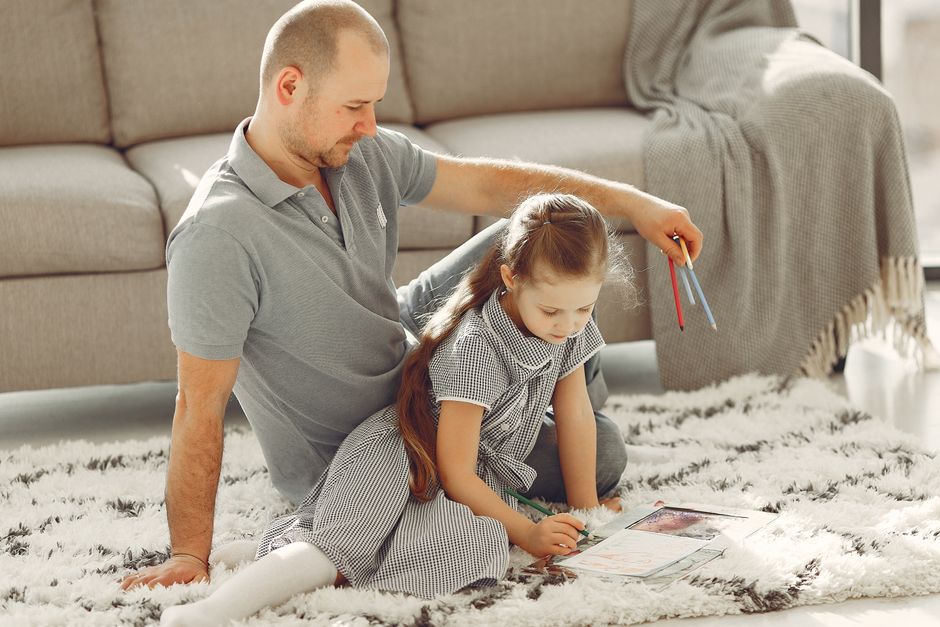
Nylon stands as the gold standard for high traffic carpeting. Its exceptional resilience, stain resistance, and durability make it ideal for both residential and commercial applications. Nylon fibers bounce back after compression better than any other material, maintaining their appearance for years. Modern nylon carpets also feature advanced stain treatments that repel spills and resist soiling, particularly important in homes with children or pets.
Wool offers natural durability combined with luxurious comfort. While more expensive than synthetic options, wool provides excellent resilience and naturally resists soiling. The fiber’s structure allows it to hide dirt effectively while remaining relatively easy to clean. Many of our clients across Goudhurst and Lamberhurst appreciate wool’s premium feel in their entrance halls and main corridors, where making a lasting impression matters.
Polypropylene, also known as olefin, provides a budget-friendly option with good stain resistance. While not as resilient as nylon, polypropylene works well in areas where stain resistance is a priority over ultimate durability. This fiber resists moisture absorption, making it suitable for areas near external doors where rain and mud are concerns.
Polyester carpets have improved significantly in recent years, with newer varieties offering enhanced durability. While traditionally considered less suitable for heavy traffic, modern polyester carpets with high twist and density can perform adequately in moderately busy areas, offering good value and excellent color retention.
Carpet Construction Styles for Maximum Durability
The construction method significantly impacts a carpet’s suitability for high traffic areas. Different styles offer varying levels of durability and maintenance requirements.
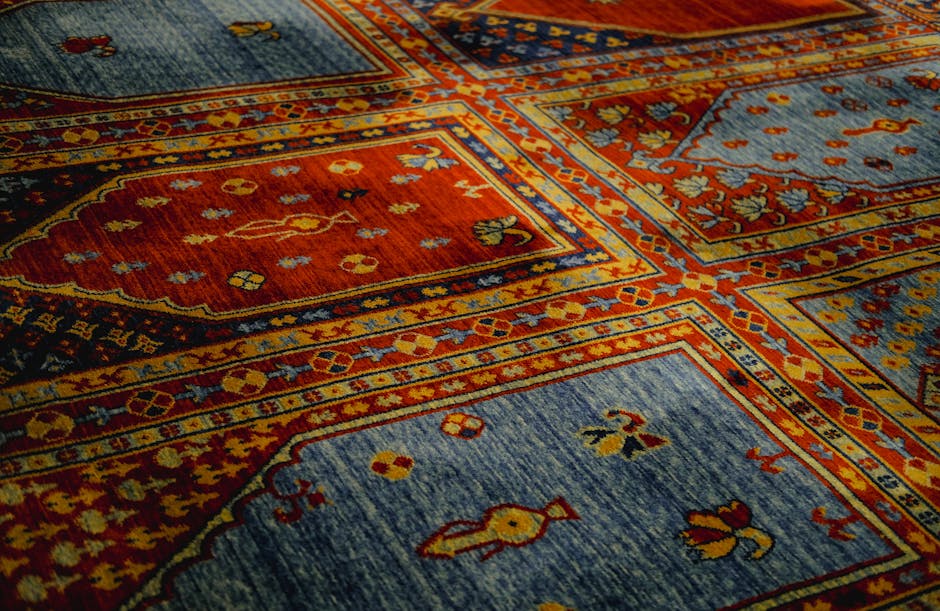
Loop pile carpets, including berber styles, excel in high traffic situations. The continuous loops of yarn create an exceptionally durable surface that resists crushing. Level loop constructions distribute wear evenly across the entire carpet, preventing the formation of traffic patterns. These carpets work particularly well in commercial settings and busy residential hallways throughout Cranbrook and Hawkhurst.
Cut pile carpets with high twist, often called textured or frieze carpets, also perform admirably under heavy use. The tightly twisted fibers stand upright and resist matting while providing a softer feel underfoot than loop styles. This construction hides footprints and vacuum marks effectively, maintaining a consistently attractive appearance.
Cut and loop combinations offer visual interest through pattern variation while maintaining durability. These carpets work well in semi-formal areas where you want style alongside practicality. However, ensure the construction density remains high enough for your specific traffic levels.
Avoid long, loose pile carpets, shag styles, and plush velvets in high traffic zones. While luxurious, these constructions crush easily and show every footprint, requiring constant maintenance to look their best. Reserve these styles for bedrooms and low-traffic entertaining spaces.
Color and Pattern Considerations
Strategic color and pattern selection can significantly reduce the visible impact of wear and soiling in busy areas. While personal preference always plays a role, certain choices prove more practical for high traffic zones.
Multi-tonal colors hide dirt and wear patterns far more effectively than solid, uniform shades. Carpets with subtle color variation, such as tweeds or heathered effects, camouflage the inevitable soiling that occurs in entrance areas and hallways. Medium tones typically outperform both very light and very dark colors in concealing dirt.
Patterns naturally disguise traffic patterns and minor staining. Geometric designs, subtle stripes, or organic patterns draw the eye while hiding imperfections. Many commercial properties across Tenterden and Rye choose patterned carpets specifically for this practical advantage.
Surprisingly, darker colors often show dust, pet hair, and lint more visibly than medium tones, despite their intuitive appeal for hiding dirt. Very light colors obviously show staining quickly. The sweet spot typically falls in the medium range—think taupes, greys, multi-tonal browns, and muted greens or blues.
Proper Installation and Underlay Selection
Even the highest quality carpet will underperform without proper installation and appropriate underlay. Professional fitting ensures your investment delivers maximum lifespan and performance.
Quality underlay provides essential cushioning, thermal insulation, and noise reduction while extending carpet life significantly. For high traffic areas, choose underlay specifically rated for heavy use, typically with a density of at least 125 kg/m³. The underlay absorbs impact and reduces wear on the carpet backing, preventing premature failure.
Professional installation eliminates common problems like poor seaming, inadequate stretching, and improper joins. A properly stretched carpet resists wrinkling and wear patterns, maintaining its appearance longer. At The Fitted Carpet Company, our expert installers ensure your carpet is fitted to exacting standards, whether you’re in Sissinghurst, Wadhurst, or anywhere across our service area.
Power stretching, rather than knee kicking, provides the tight installation necessary for longevity in high traffic areas. This professional technique eliminates ripples and ensures the carpet remains taut over years of use.
Maintenance and Care for Longevity
Proper maintenance significantly extends the life of high traffic carpeting. Establishing a regular cleaning routine prevents premature wear and keeps your carpet looking fresh.
Vacuum frequently—at least twice weekly in high traffic areas, and daily in commercial settings. Use a vacuum with strong suction and a beater bar to lift embedded dirt before it cuts carpet fibers. Regular vacuuming removes abrasive particles that cause premature wear.
Address spills immediately to prevent staining. Blot liquids with clean, white cloths, working from the outside of the spill inward to prevent spreading. Avoid rubbing, which can damage fibers and spread the stain deeper into the pile.
Schedule professional carpet cleaning annually, or semi-annually for extremely busy areas. Professional equipment extracts embedded dirt that household vacuums cannot reach, refreshing the carpet’s appearance and extending its lifespan. Many of our Kent clients pair this with their spring-cleaning routines.
Consider walk-off mats at exterior entrances to reduce the amount of dirt tracked onto your carpet. Studies suggest that approximately 80% of soil in buildings comes from outdoors on people’s shoes. Quality entrance matting can capture much of this before it reaches your carpet.
Commercial vs. Residential High Traffic Needs
While both commercial and residential high traffic areas require durable carpeting, the specific demands differ significantly.
Commercial carpets typically feature lower pile heights, extremely high density, and often incorporate solution-dyed fibers for superior colorfastness. They’re engineered to withstand thousands of daily footfalls while meeting fire safety regulations. Businesses across Battle, Rye, and surrounding areas often require carpets that maintain professional appearance despite constant use.
Residential high traffic carpets can balance durability with greater comfort underfoot. While your hallway endures significant use, it doesn’t face the same intensity as a hotel corridor or office reception. This allows for slightly softer textures while maintaining adequate durability through proper fiber selection and construction.
Understanding your specific traffic patterns helps determine the appropriate specification. A family hallway in Biddenden experiences different demands than a rental property entrance in Sedlescombe, and recommendations should reflect these variations.
Conclusion
Selecting carpet for high traffic areas requires balancing durability, aesthetics, and budget. By choosing appropriate fiber types like nylon or wool, opting for dense, well-constructed carpets with high twist counts, and ensuring professional installation with quality underlay, you can enjoy beautiful, long-lasting flooring in your busiest spaces. Strategic color and pattern selection further enhances practicality, while proper maintenance protects your investment for years to come.
At The Fitted Carpet Company, we’ve helped countless homeowners and businesses across Kent and East Sussex find the perfect carpeting solutions for their high traffic areas. Our expertise in fiber selection, construction quality, and professional installation ensures you receive carpets that combine durability with the style that turns houses into homes. Whether you’re furnishing a busy family corridor in Headcorn, a commercial space in Cranbrook, or any area between, our team provides expert guidance tailored to your specific needs and budget.
The right carpet can withstand years of heavy use while maintaining its beauty and comfort. With careful selection and proper care, your high traffic carpets will continue to enhance your space long into the future.