Home » carpet cleaning

Tag: carpet cleaning

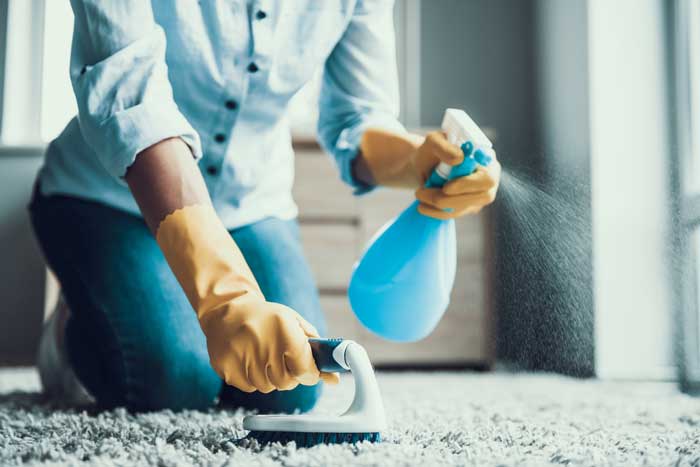
Carpet Cleaning Home DM bigstock purchase

How to Clean carpet at home

How to Clean carpet at home is one of those household questions that tends to arrive without an appointment. One minute the carpet is behaving itself, the next it is wearing a fresh mark, smell, dent, or mystery patch like an unwanted badge. The good news is that most carpet problems can be improved, and many can be solved completely, with a calm approach, the right tools, and a little patience.

Whether you are tackling routine soil, general dullness, or a room that has lost its spring, the secret is to work methodically. Carpets hold dust, grit, oils, and airborne debris deep in the pile, so a quick wipe on the surface rarely tells the full story. In this guide you will find a practical step-by-step method, advice on what products to use, what to avoid, and when it makes sense to call a professional cleaner.

Step-by-step method

  1. Start by removing loose debris. Vacuum gently or lift solids with a spoon, blunt knife, or paper towel. Avoid pressing the mess deeper into the fibres.
  2. Blot with white paper towels or a clean white cloth. Work from the outside of the mark toward the centre so the affected area does not spread.
  3. Test any cleaning solution on a hidden corner first. Different carpets react differently, and a colour change is much harder to fix than the original stain.
  4. Use small amounts of solution rather than flooding the carpet. Too much moisture can push residue into the backing or underlay and create a second problem.
  5. Rinse lightly with clean water after treatment and blot again. Leaving product in the pile often attracts dirt and can make the patch look worse later.
  6. Dry thoroughly with airflow. Open windows, use a fan, and avoid foot traffic until the carpet is fully dry.

Why the problem keeps coming back

Many carpet issues return because only the surface was treated. Residue in the pile, moisture in the backing, contamination in the underlay, or dust trapped at the edges can pull the same problem back into view. A complete fix usually means dealing with both what you can see and what the carpet has quietly tucked underneath.

Mistakes to avoid

  • Scrubbing hard enough to roughen the pile or spread the stain outward.
  • Using strongly coloured cloths that can transfer dye into the carpet.
  • Mixing random cleaning products and hoping chemistry will be in a good mood.
  • Leaving the area damp for too long, especially if the underlay may have absorbed moisture.

When to call a professional

Bring in a professional carpet company if the carpet is expensive, the affected area is large, the stain or smell has soaked into the underlay, there is repeated pest activity, or DIY attempts have already changed the texture or colour. Professional cleaners, fitters, and pest specialists have access to stronger equipment, better diagnostics, and the kind of experience that saves a lot of second-guessing.

Frequently asked questions

How to Clean carpet at home

Yes, in many cases it can be improved or solved completely, especially when you act quickly, use the correct method for the carpet type, and avoid over-wetting or over-scrubbing.

What should I test before treating the full area?

Test the cleaning product or method on a hidden section first. Check for colour loss, texture change, or damage to the backing.

How long should I wait before deciding whether it worked?

Wait until the carpet is fully dry. Many marks look lighter or darker while damp, and some residue only becomes obvious after drying.

Tools that usually help

For most carpet jobs, a small kit goes a long way: white microfibre cloths, paper towels, a spoon or blunt scraper, a vacuum with a clean head, lukewarm water, a plain spray bottle, and a carpet-safe detergent or specialist stain remover suited to the issue. A fan is useful for drying, and in odour cases an enzyme-based product can be more effective than a heavily perfumed cleaner because it targets the residue rather than trying to merely out-sing it.

How to protect the carpet afterwards

Once the area is clean and dry, avoid heavy traffic for a while and vacuum the surrounding space when everything has settled. Use entrance mats, rotate rugs, trim pet claws where appropriate, and deal with spills as soon as possible. Prevention is rarely glamorous, but it is the quiet hero in the cape. Good habits reduce repeat staining, odours, tracking, and wear, which means the carpet looks better and lasts longer.

How to Clean carpet at home does not need panic, only a sensible plan. Start gently, work in stages, keep moisture under control, and dry the area properly before judging the result. If the issue is stubborn, widespread, or tied to the subfloor, underlay, or an active pest problem, professional help is often the fastest route to a genuinely clean and lasting finish.

A final practical tip: keep white cloths, paper towels, a blunt scraper, and a small spray bottle ready in a cupboard. Most carpet emergencies are easier to handle when you do not spend the first ten minutes rummaging for supplies while the stain settles in like an unwanted tenant and you can find out more on our carpet blog.

Carpet Cleaning Pro

How to Clean a carpet

How to Clean a carpet is one of those household questions that tends to arrive without an appointment. One minute the carpet is behaving itself, the next it is wearing a fresh mark, smell, dent, or mystery patch like an unwanted badge. The good news is that most carpet problems can be improved, and many can be solved completely, with a calm approach, the right tools, and a little patience.

Whether you are tackling routine soil, general dullness, or a room that has lost its spring, the secret is to work methodically. Carpets hold dust, grit, oils, and airborne debris deep in the pile, so a quick wipe on the surface rarely tells the full story. In this guide you will find a practical step-by-step method, advice on what products to use, what to avoid, and when it makes sense to call a professional cleaner.

Step-by-step method

  1. Start by removing loose debris. Vacuum gently or lift solids with a spoon, blunt knife, or paper towel. Avoid pressing the mess deeper into the fibres.
  2. Blot with white paper towels or a clean white cloth. Work from the outside of the mark toward the centre so the affected area does not spread.
  3. Test any cleaning solution on a hidden corner first. Different carpets react differently, and a colour change is much harder to fix than the original stain.
  4. Use small amounts of solution rather than flooding the carpet. Too much moisture can push residue into the backing or underlay and create a second problem.
  5. Rinse lightly with clean water after treatment and blot again. Leaving product in the pile often attracts dirt and can make the patch look worse later.
  6. Dry thoroughly with airflow. Open windows, use a fan, and avoid foot traffic until the carpet is fully dry.

Carpet Cleaning DM bigstock purchase

Why the problem keeps coming back

Many carpet issues return because only the surface was treated. Residue in the pile, moisture in the backing, contamination in the underlay, or dust trapped at the edges can pull the same problem back into view. A complete fix usually means dealing with both what you can see and what the carpet has quietly tucked underneath.

Mistakes to avoid

  • Scrubbing hard enough to roughen the pile or spread the stain outward.
  • Using strongly coloured cloths that can transfer dye into the carpet.
  • Mixing random cleaning products and hoping chemistry will be in a good mood.
  • Leaving the area damp for too long, especially if the underlay may have absorbed moisture.

When to call a professional

Bring in a professional if the carpet is expensive, the affected area is large, the stain or smell has soaked into the underlay, there is repeated pest activity, or DIY attempts have already changed the texture or colour. Professional cleaners, fitters, and pest specialists have access to stronger equipment, better diagnostics, and the kind of experience that saves a lot of second-guessing.

Frequently asked questions

How to Clean a carpet

Yes, in many cases it can be improved or solved completely, especially when you act quickly, use the correct method for the carpet type, and avoid over-wetting or over-scrubbing.

What should I test before treating the full area?

Test the cleaning product or method on a hidden section first. Check for colour loss, texture change, or damage to the backing.

How long should I wait before deciding whether it worked?

Wait until the carpet is fully dry. Many marks look lighter or darker while damp, and some residue only becomes obvious after drying.

Tools that usually help

For most carpet jobs, a small kit goes a long way: white microfibre cloths, paper towels, a spoon or blunt scraper, a vacuum with a clean head, lukewarm water, a plain spray bottle, and a carpet-safe detergent or specialist stain remover suited to the issue. A fan is useful for drying, and in odour cases an enzyme-based product can be more effective than a heavily perfumed cleaner because it targets the residue rather than trying to merely out-sing it.

How to protect the carpet afterwards

Once the area is clean and dry, avoid heavy traffic for a while and vacuum the surrounding space when everything has settled. Use entrance mats, rotate rugs, trim pet claws where appropriate, and deal with spills as soon as possible. Prevention is rarely glamorous, but it is the quiet hero in the cape. Good habits reduce repeat staining, odours, tracking, and wear, which means the carpet looks better and lasts longer.

Final thoughts

How to Clean a carpet does not need panic, only a sensible plan. Start gently, work in stages, keep moisture under control, and dry the area properly before judging the result. If the issue is stubborn, widespread, or tied to the subfloor, underlay, or an active pest problem, professional help is often the fastest route to a genuinely clean and lasting finish.

A final practical tip: keep white cloths, paper towels, a blunt scraper, and a small spray bottle ready in a cupboard. Most carpet emergencies are easier to handle when you do not spend the first ten minutes rummaging for supplies while the stain settles in like an unwanted tenant.

carpet cleaning

How to Clean carpet

How to Clean carpet is one of those household questions that tends to arrive without an appointment. One minute the carpet is behaving itself, the next it is wearing a fresh mark, smell, dent, or mystery patch like an unwanted badge. The good news is that most carpet problems can be improved, and many can be solved completely, with a calm approach, the right tools, and a little patience.

Whether you are tackling routine soil, general dullness, or a room that has lost its spring, the secret is to work methodically. Carpets hold dust, grit, oils, and airborne debris deep in the pile, so a quick wipe on the surface rarely tells the full story. In this guide you will find a practical step-by-step method, advice on what products to use, what to avoid, and when it makes sense to call a professional cleaner.

Step-by-step method

  1. Start by removing loose debris. Vacuum gently or lift solids with a spoon, blunt knife, or paper towel. Avoid pressing the mess deeper into the fibres.
  2. Blot with white paper towels or a clean white cloth. Work from the outside of the mark toward the centre so the affected area does not spread.
  3. Test any cleaning solution on a hidden corner first. Different carpets react differently, and a colour change is much harder to fix than the original stain.
  4. Use small amounts of solution rather than flooding the carpet. Too much moisture can push residue into the backing or underlay and create a second problem.
  5. Rinse lightly with clean water after treatment and blot again. Leaving product in the pile often attracts dirt and can make the patch look worse later.
  6. Dry thoroughly with airflow. Open windows, use a fan, and avoid foot traffic until the carpet is fully dry.

Why the problem keeps coming back

Many carpet issues return because only the surface was treated. Residue in the pile, moisture in the backing, contamination in the underlay, or dust trapped at the edges can pull the same problem back into view. A complete fix usually means dealing with both what you can see and what the carpet has quietly tucked underneath.

Mistakes to avoid

  • Scrubbing hard enough to roughen the pile or spread the stain outward.
  • Using strongly coloured cloths that can transfer dye into the carpet.
  • Mixing random cleaning products and hoping chemistry will be in a good mood.
  • Leaving the area damp for too long, especially if the underlay may have absorbed moisture.

When to call a professional

Bring in a professional if the carpet is expensive, the affected area is large, the stain or smell has soaked into the underlay, there is repeated pest activity, or DIY attempts have already changed the texture or colour. Professional cleaners, fitters, and pest specialists have access to stronger equipment, better diagnostics, and the kind of experience that saves a lot of second-guessing.

Frequently asked questions

How to Clean carpet

Yes, in many cases it can be improved or solved completely, especially when you act quickly, use the correct method for the carpet type, and avoid over-wetting or over-scrubbing.

What should I test before treating the full area?

Test the cleaning product or method on a hidden section first. Check for colour loss, texture change, or damage to the backing.

How long should I wait before deciding whether it worked?

Wait until the carpet is fully dry. Many marks look lighter or darker while damp, and some residue only becomes obvious after drying.

Tools that usually help

For most carpet jobs, a small kit goes a long way: white microfibre cloths, paper towels, a spoon or blunt scraper, a vacuum with a clean head, lukewarm water, a plain spray bottle, and a carpet-safe detergent or specialist stain remover suited to the issue. A fan is useful for drying, and in odour cases an enzyme-based product can be more effective than a heavily perfumed cleaner because it targets the residue rather than trying to merely out-sing it.

How to protect the carpet afterwards

Once the area is clean and dry, avoid heavy traffic for a while and vacuum the surrounding space when everything has settled. Use entrance mats, rotate rugs, trim pet claws where appropriate, and deal with spills as soon as possible. Prevention is rarely glamorous, but it is the quiet hero in the cape. Good habits reduce repeat staining, odours, tracking, and wear, which means the carpet looks better and lasts longer.

Final thoughts

Carpet Company – How to Clean carpet does not need panic, only a sensible plan. Start gently, work in stages, keep moisture under control, and dry the area properly before judging the result. If the issue is stubborn, widespread, or tied to the subfloor, underlay, or an active pest problem, professional help is often the fastest route to a genuinely clean and lasting finish.

A final practical tip: keep white cloths, paper towels, a blunt scraper, and a small spray bottle ready in a cupboard. Most carpet emergencies are easier to handle when you do not spend the first ten minutes rummaging for supplies while the stain settles in like an unwanted tenant.
carpet cleaning

The Role of Commercial Carpet Cleaning in Extending Carpet Lifespan

Introduction to Carpet Lifespan

Commercial carpets, often chosen for their durability and aesthetic appeal, are a significant investment for any business. While these carpets are designed to withstand heavy foot traffic and daily wear, their lifespan can be influenced by several factors. Typically, a well-maintained commercial carpet can serve a business for 10 to 15 years, if not longer. The quality of the carpet, the volume of foot traffic, and, crucially, the maintenance routines play pivotal roles in determining how long a carpet will retain its original charm. Regular and professional carpet cleaning can significantly extend this lifespan, ensuring a pristine and welcoming environment for both employees and clients.


The Impact of Dirt and Debris

Commercial spaces, especially those with high foot traffic, are prone to accumulating dirt, dust, and debris. Over time, these particles get embedded deep into the carpet fibers, causing them to fray and lose their original luster. As people continue to walk over these areas, the embedded dirt acts like sandpaper, grinding against the fibers and leading to premature wear and tear. Regularly extracting this embedded dirt is more than just an aesthetic choice; it’s a necessity to protect the carpet’s structural integrity and longevity.


Benefits of Regular Carpet Cleaning

While daily or weekly vacuuming can address surface-level dirt, it’s not enough to maintain the carpet’s deeper cleanliness and overall health. Deep cleaning, which penetrates the carpet fibers, is essential to tackle spills, stubborn stains, and deeply embedded dirt. Regular professional deep cleaning rejuvenates the carpet, making it look, feel, and smell as good as new. Moreover, a clean carpet contributes to a healthier indoor environment, reducing allergens and improving air quality.


Professional vs. DIY Cleaning

The allure of DIY carpet cleaning methods, often seen as cost-saving measures, can be tempting for many businesses. However, the expertise, equipment, and specialized solutions that professionals bring to the table are unmatched. DIY methods might offer a superficial clean, but they often lack the depth and thoroughness of professional cleaning. Moreover, there’s always the risk of over-wetting the carpet or using inappropriate cleaning agents, which can lead to damage or mold growth.


The Science Behind Carpet Cleaning

Modern carpet cleaning is a blend of science and technique. Advanced methods ensure that cleaning agents penetrate deep into the fibers, breaking down and extracting dirt, oils, and residues. These cleaning solutions are specially formulated to tackle stains without causing harm to the carpet fibers or fading the colors. The result is a carpet that’s not just clean on the surface but deeply purified from within.


Moisture and Its Effects on Carpets

Managing moisture is a critical aspect of carpet cleaning. Excessive moisture can seep into the carpet padding, creating a breeding ground for mold and mildew. Professional cleaners utilize advanced equipment that not only cleans but also extracts most of the moisture during the process. They also employ rapid drying techniques, ensuring that the carpet is dry to the touch in a short time, minimizing any risk of water damage or mold growth.


Stain Protection and Commercial Carpets

Post-cleaning, many professional services offer additional protective treatments. These treatments, often based on advanced nanotechnology, create a protective barrier on the carpet fibers. This barrier repels spills and stains, making subsequent cleanups easier and ensuring that the carpet remains spotless and vibrant for a more extended period.


Cost Implications

While professional carpet cleaning does come with an upfront cost, it’s essential to view it as a long-term investment. Regular cleaning extends the life of the carpet, delaying the substantial costs associated with replacement. When you factor in the benefits of a cleaner, healthier environment and the positive impression a well-maintained carpet leaves on clients and employees, the return on investment becomes clear.


Environmental and Health Benefits of Carpet Cleaning

Beyond aesthetics, clean carpets play a pivotal role in ensuring a healthy workspace. They trap fewer allergens, dust mites, and pathogens, leading to a noticeable improvement in indoor air quality. In today’s world, where health and hygiene are paramount, maintaining clean carpets can significantly reduce the spread of allergens and respiratory issues, ensuring a safer environment for everyone.


Conclusion: Making Carpet Cleaning a Priority

In the dynamic world of business, where first impressions matter, carpets play a silent yet crucial role. They not only add aesthetic value but also contribute to the overall ambiance of a space. Regular professional cleaning ensures that these carpets remain a vibrant and integral part of the commercial environment, reflecting the business’s commitment to excellence and attention to detail.