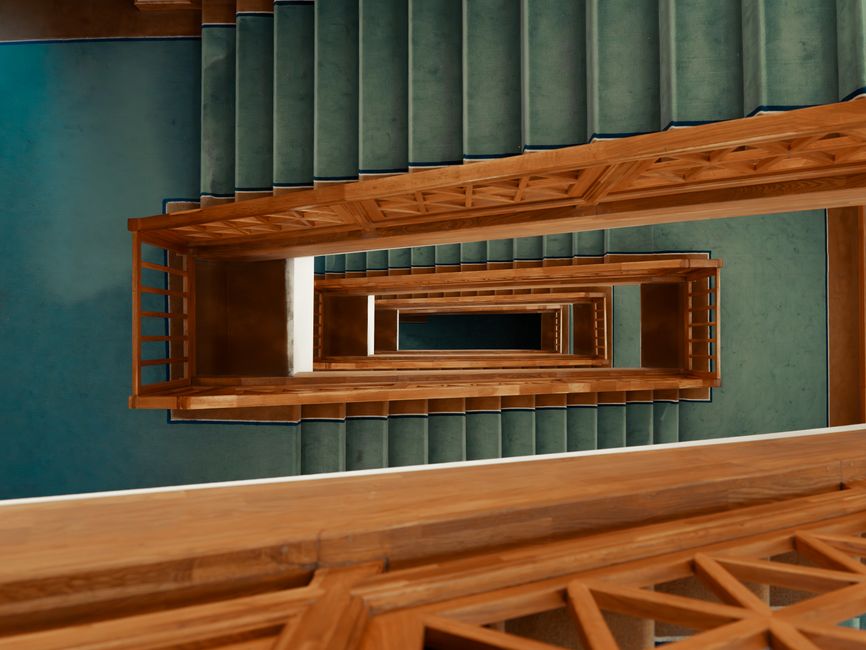
How to Choose Carpet for Stairs
Choosing the right carpet for your stairs is one of the most important decisions you’ll make when carpeting your home. Stairs endure significant wear and tear, require specific safety considerations, and serve as a visual centrepiece connecting different levels of your property. Whether you’re renovating a period property in Benenden or updating a modern home in Tunbridge Wells, understanding the unique demands of stair carpeting will help you make an informed choice that balances durability, safety, and aesthetic appeal.
Understanding the Unique Demands of Stair Carpets
Stairs present challenges unlike any other area in your home. Every step you take concentrates pressure on the edge of each tread, creating wear patterns that can quickly deteriorate unsuitable carpets. The combination of horizontal treads and vertical risers means your carpet must be flexible enough to conform to these angles while remaining securely fitted to prevent dangerous slipping or tripping hazards.
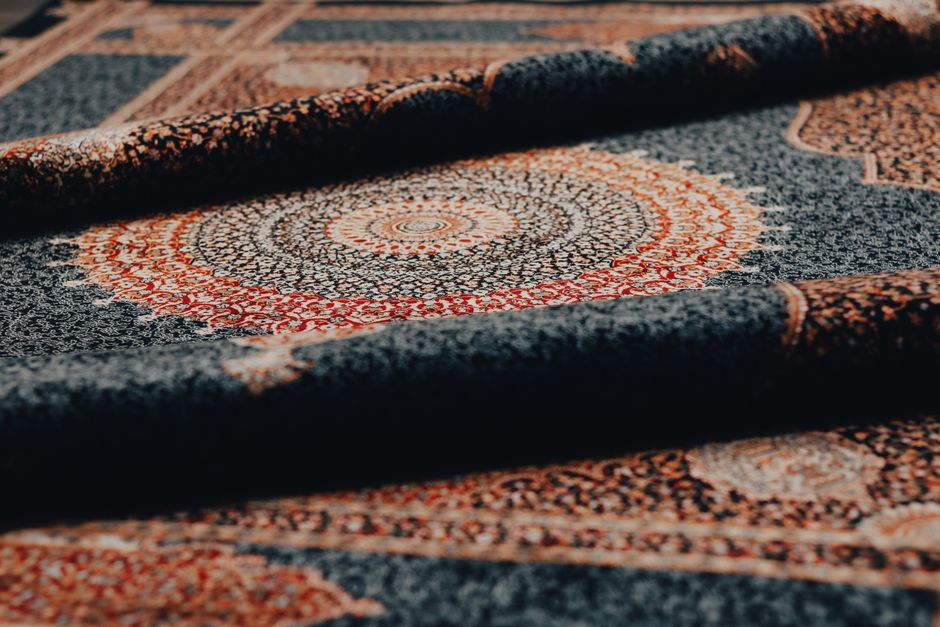
In homes across Kent and East Sussex, where many properties feature traditional staircases with intricate woodwork or modern open-plan designs, the carpet you choose becomes both a functional necessity and a design statement. The right choice can enhance architectural features, reduce noise transmission between floors, and provide cushioning that makes navigating stairs safer and more comfortable for all family members.
Consider that your stair carpet will likely receive more foot traffic than any other carpeted area in your home. Every journey between floors, multiple times daily for years, means these surfaces need exceptional resilience. Unlike living room carpets where weight distributes evenly, stair treads experience concentrated impact at their edges, demanding materials specifically engineered for this purpose.
Selecting the Right Carpet Material and Construction
The material composition of your stair carpet directly impacts its longevity and performance. Wool remains the premium choice for stairs, offering natural resilience, excellent dirt resistance, and the ability to recover from compression. An 80/20 wool-nylon blend combines wool’s luxurious feel with nylon’s exceptional durability, creating an ideal solution for high-traffic stair applications.

For households with active families or pets, 100% nylon carpets provide outstanding wear resistance and stain protection. Modern nylon fibres have evolved considerably, offering softness that rivals natural materials while maintaining superior strength. Polypropylene represents a budget-friendly alternative, though it may not provide the same longevity as wool or nylon for heavily-used staircases.
Carpet construction matters tremendously for stairs. Twist pile carpets, where fibres are tightly twisted together, excel at hiding footprints and maintaining their appearance under constant use. Loop pile constructions offer excellent durability but can snag on shoes or pet claws. Cut and loop combinations provide textural interest while delivering good performance, though plain twist piles generally prove most practical for stairs.
Pay close attention to pile density and weight. A dense, tightly-packed pile will resist crushing and wear far better than a looser construction. For stairs, look for carpets with a pile weight of at least 40 ounces per square yard and a density rating above 3,000. These specifications ensure your carpet maintains its appearance and structural integrity despite the concentrated traffic patterns unique to staircases.
Safety Considerations for Stair Carpets
Safety must be your primary concern when selecting stair carpet. According to health authorities, falls on stairs represent a significant cause of home injuries, making proper carpet selection and installation critical for household safety. The right carpet provides traction underfoot, reducing slip risks while cushioning any potential falls.
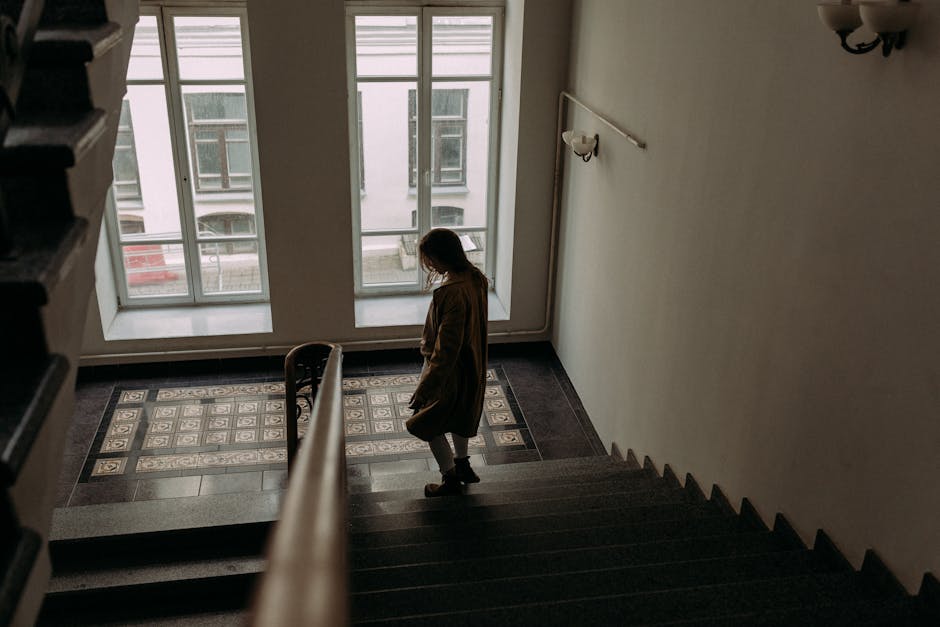
Choose carpets with a low to medium pile height for stairs. While plush, deep-pile carpets feel luxurious underfoot in bedrooms, they create instability on stairs where secure footing is essential. A pile height between 8mm and 12mm offers the optimal balance between comfort and safety, providing cushioning without compromising stability.
Colour and pattern play unexpected safety roles. Very dark or very light solid colours can make it difficult to distinguish individual stair edges, increasing trip risks, particularly for elderly residents or those with visual impairments. Patterns, subtle variations, or mid-tone colours help define each step clearly, improving depth perception as you navigate the staircase.
The carpet underlay beneath your stair carpet deserves careful consideration. Stair-specific underlays typically have higher density than those used on flat floors, providing stability while offering cushioning. Never use thick, soft underlays on stairs, as they can create a spongy surface that compromises footing and makes the carpet more likely to shift or wrinkle.
Colour, Pattern, and Style Selection
Your stair carpet significantly influences your home’s overall aesthetic, serving as a vertical design element visible from multiple vantage points. In properties throughout Cranbrook, Hawkhurst, and surrounding areas, stair carpets often bridge different flooring types between levels, requiring thoughtful coordination with adjacent spaces.
Neutral tones offer timeless versatility, complementing various décor styles while minimising the visual impact of inevitable wear and soiling. Greys, beiges, and taupes remain perennially popular, providing sophisticated backgrounds that won’t overwhelm period features or compete with statement décor elements. These shades work particularly well in homes with abundant natural light, common in rural Kent and Sussex properties.
Patterned carpets excel at concealing wear patterns and soiling, making them exceptionally practical for busy households. Subtle flecks, heathers, or small-scale geometric designs disguise traffic marks whilst adding visual interest. Striped patterns, particularly those running perpendicular to stair treads, can create striking contemporary looks, though they require precise installation to maintain pattern alignment.
Consider how your stair carpet relates to adjacent floor coverings. If your hallway features carpet, a complementary rather than identical choice for stairs can create sophisticated definition between spaces. When stairs connect carpeted upper floors with hard flooring below, selecting a stair carpet that bridges these materials through colour coordination creates cohesive visual flow throughout your home.
Practical Considerations for Installation and Maintenance
Professional installation is essential for stair carpets. Unlike flat floor areas where minor fitting imperfections may go unnoticed, stairs require precise measurement, cutting, and securing to ensure safety and longevity. Poorly fitted stair carpet can create dangerous trip hazards, void warranties, and fail prematurely due to inadequate tension or incorrect underlay.
Stair width influences both carpet requirements and installation approaches. Standard straight staircases present the most straightforward installation, whilst winding stairs, landings, and curved designs require additional expertise and material to accommodate complex angles. Measuring for stair carpet involves calculating both tread and riser dimensions, allowing for wastage where pattern matching or pile direction requires specific orientation.
Maintenance accessibility deserves consideration. Stairs that connect heavily-used areas benefit from carpets with superior stain resistance and cleaning tolerance. Many modern carpets feature stain-protection treatments that repel spills and simplify spot cleaning. However, these treatments vary in effectiveness and longevity, with solution-dyed fibres offering more permanent protection than topical applications.
Budget for long-term maintenance when selecting your stair carpet. While premium materials command higher initial costs, their extended lifespan and superior appearance retention often prove more economical over time than replacing budget options more frequently. Regular vacuuming, prompt stain treatment, and periodic professional cleaning will maximise your investment regardless of the carpet grade you choose.
Making Your Final Decision
Bringing together all these considerations requires balancing competing priorities. Begin by establishing your non- negotiables: budget limits, essential safety features, and any specific aesthetic requirements. From there, prioritise durability and material quality, recognising that stairs represent a long-term investment where quality genuinely matters.
Request samples and view them in your actual staircase environment. Carpet appearance varies dramatically depending on lighting conditions, adjacent colours, and viewing angles. What looks perfect in a showroom may appear entirely different in your home’s specific context. Observe samples at different times of day to understand how natural and artificial light affects colour and texture perception.
Don’t hesitate to seek professional guidance. Experienced carpet specialists understand the specific demands of different stair configurations and can recommend solutions tailored to your household’s unique requirements. They can identify potential challenges in your particular staircase and suggest appropriate solutions before installation begins.
Consider your household’s evolution. Young families might prioritise stain resistance and budget-consciousness, knowing carpets may need updating as children grow. Empty-nesters might invest in premium materials for lasting elegance. Pet owners require snag-resistant constructions and superior stain protection. Aligning your carpet choice with your lifestyle ensures satisfaction throughout its lifespan.
Conclusion
Choosing carpet for stairs demands more attention than selecting floor coverings for any other area of your home. The unique combination of safety requirements, intense wear patterns, and prominent visual impact means your decision influences both your home’s functionality and aesthetic appeal. By prioritising appropriate materials, focusing on safety features, and selecting colours and patterns that suit your lifestyle whilst concealing wear, you’ll find a stair carpet that performs beautifully for years to come.
Whether you’re carpeting a historic property in Sissinghurst or a contemporary home in Royal Tunbridge Wells, the principles remain consistent: quality materials, expert installation, and thoughtful selection based on your specific circumstances create results that enhance your daily life. At The Fitted Carpet Company, we help homeowners throughout Kent and East Sussex navigate these decisions, ensuring their stair carpets deliver safety, durability, and style that truly turns houses into homes. For those considering the financial aspects, a complete guide to carpet fitting cost in East Sussex can provide valuable insights, and you might even find options for cheap carpet installation in East Sussex without compromising on quality.