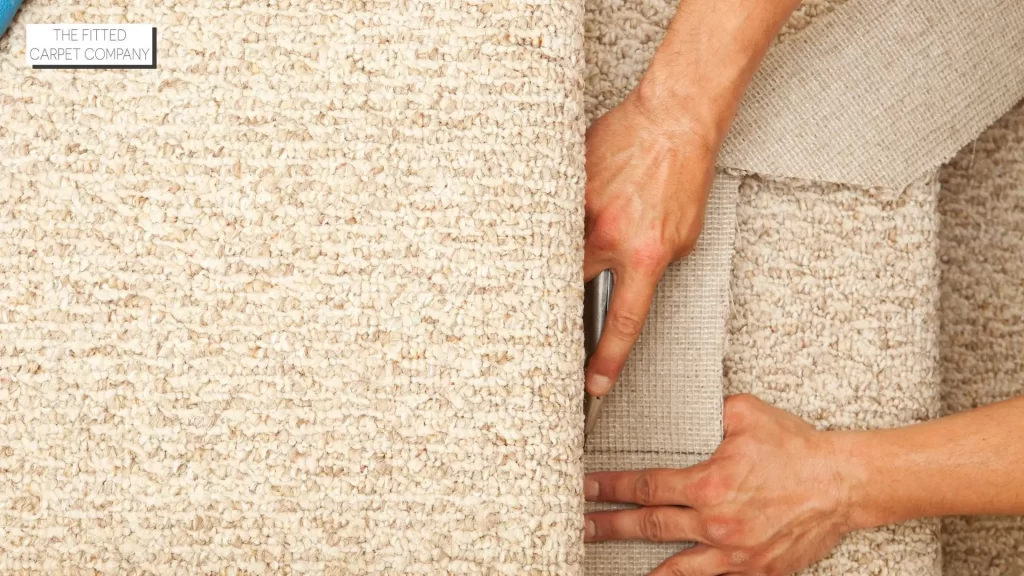
Home » flooring

Tag: flooring

carpet fitters

How to Lay a carpet

How to Lay a carpet is one of those household questions that tends to arrive without an appointment. One minute the carpet is behaving itself, the next it is wearing a fresh mark, smell, dent, or mystery patch like an unwanted badge. The good news is that most fitted carpet problems can be improved, and many can be solved completely, with a calm approach, the right tools, and a little patience.

Installation jobs are less about brute force and more about accurate measuring, careful cutting, and tidy sequencing. A carpet can look luxurious or lumpy depending on the planning that happens before it is even rolled out. In the steps below, you will find a plain-English process that helps you avoid wasted material, loose edges, visible joins, and the kind of fitting errors that creak at you for months.

Step-by-step method

  1. Measure the room carefully at the widest and longest points, allowing for alcoves, doorways, and a small cutting margin.
  2. Check the subfloor before fitting. It should be clean, dry, sound, and level. Deal with squeaks, damp, and protruding fixings first.
  3. Install grippers and underlay in the correct order for the space. Good preparation does more for the final feel than most people realise.
  4. Plan the pile direction and joins before cutting. Poor planning can make seams visible or change the way light hits the carpet.
  5. Trim gradually rather than taking too much in one cut. A careful shave beats an accidental haircut every time.
  6. Stretch and secure the carpet properly so it sits flat, tight, and smooth without ripples or loose edges.

Before you start

Check tools, carpet direction, doorway heights, skirting condition, and the state of the subfloor before making the first cut. Many fitting headaches begin earlier than people think. A dry, clean, level base and accurate measurements give the whole job a calmer rhythm and reduce waste.

Mistakes to avoid

  • Measuring only the visible floor and forgetting recesses, thresholds, or turning points on stairs.
  • Cutting too aggressively instead of trimming gradually.
  • Skipping subfloor preparation and hoping the carpet will hide every sin below it.
  • Underestimating how much a poor stretch or badly planned join affects the finished look.

When to call a professional

Bring in a professional if the carpet is expensive, the affected area is large, the stain or smell has soaked into the underlay, there is repeated pest activity, or DIY attempts have already changed the texture or colour. Professional cleaners, fitters, and pest specialists have access to stronger equipment, better diagnostics, and the kind of experience that saves a lot of second-guessing.

Frequently asked questions

How to Lay a carpet

Yes, in many cases it can be improved or solved completely, especially when you act quickly, use the correct method for the carpet type, and avoid over-wetting or over-scrubbing.

What should I test before treating the full area?

Test the cleaning product or method on a hidden section first. Check for colour loss, texture change, or damage to the backing.

How long should I wait before deciding whether it worked?

Wait until the carpet is fully dry. Many marks look lighter or darker while damp, and some residue only becomes obvious after drying.

Tools that usually help

For most carpet jobs, a small kit goes a long way: white microfibre cloths, paper towels, a spoon or blunt scraper, a vacuum with a clean head, lukewarm water, a plain spray bottle, and a carpet-safe detergent or specialist stain remover suited to the issue. A fan is useful for drying, and in odour cases an enzyme-based product can be more effective than a heavily perfumed cleaner because it targets the residue rather than trying to merely out-sing it.

How to protect the carpet afterwards

Once the area is clean and dry, avoid heavy traffic for a while and vacuum the surrounding space when everything has settled. Use entrance mats, rotate rugs, trim pet claws where appropriate, and deal with spills as soon as possible. Prevention is rarely glamorous, but it is the quiet hero in the cape. Good habits reduce repeat staining, odours, tracking, and wear, which means the carpet looks better and lasts longer.

Final thoughts

How to Lay a carpet does not need panic, only a sensible plan. Start gently, work in stages, keep moisture under control, and dry the area properly before judging the result. If the issue is stubborn, widespread, or tied to the subfloor, underlay, or an active pest problem, professional help is often the fastest route to a genuinely clean and lasting finish.

A final practical tip: keep white cloths, paper towels, a blunt scraper, and a small spray bottle ready in a cupboard. Most carpet emergencies are easier to handle when you do not spend the first ten minutes rummaging for supplies while the stain settles in like an unwanted tenant.


The Fitted carpet Company

How to Fit carpet

How to Fit carpet is one of those household questions that tends to arrive without an appointment. One minute the carpet is behaving itself, the next it is wearing a fresh mark, smell, dent, or mystery patch like an unwanted badge. The good news is that most carpet problems can be improved, and many can be solved completely, with a calm approach, the right tools, and a little patience.  If you are unsure then please visit our carpet showroom / carpet shop in Hawkshurst Kent asap for advice.

Installation jobs are less about brute force and more about accurate measuring, careful cutting, and tidy sequencing. A carpet can look luxurious or lumpy depending on the planning that happens before it is even rolled out. In the steps below, you will find a plain-English process that helps you avoid wasted material, loose edges, visible joins, and the kind of fitting errors that creak at you for months.   A professional carpet company will use experienced, expert carpet fitters.

Step-by-step method

  1. Measure the room carefully at the widest and longest points, allowing for alcoves, doorways, and a small cutting margin.
  2. Check the subfloor before fitting. It should be clean, dry, sound, and level. Deal with squeaks, damp, and protruding fixings first.
  3. Install grippers and underlay in the correct order for the space. Good preparation does more for the final feel than most people realise.
  4. Plan the pile direction and joins before cutting. Poor planning can make seams visible or change the way light hits the carpet.
  5. Trim gradually rather than taking too much in one cut. A careful shave beats an accidental haircut every time.
  6. Stretch and secure the carpet properly so it sits flat, tight, and smooth without ripples or loose edges.

Before you start

Check tools, carpet direction, doorway heights, skirting condition, and the state of the subfloor before making the first cut. Many fitting headaches begin earlier than people think. A dry, clean, level base and accurate measurements give the whole job a calmer rhythm and reduce waste.

Mistakes to avoid

  • Measuring only the visible floor and forgetting recesses, thresholds, or turning points on stairs.
  • Cutting too aggressively instead of trimming gradually.
  • Skipping subfloor preparation and hoping the carpet will hide every sin below it.
  • Underestimating how much a poor stretch or badly planned join affects the finished look.

When to call a professional

Bring in a professional if the carpet is expensive, the affected area is large, the stain or smell has soaked into the underlay, there is repeated pest activity, or DIY attempts have already changed the texture or colour. Professional cleaners, fitters, and pest specialists have access to stronger equipment, better diagnostics, and the kind of experience that saves a lot of second-guessing.

Frequently asked questions

How to Fit carpet

Yes, in many cases it can be improved or solved completely, especially when you act quickly, use the correct method for the carpet type, and avoid over-wetting or over-scrubbing.

What should I test before treating the full area?

Test the cleaning product or method on a hidden section first. Check for colour loss, texture change, or damage to the backing.

How long should I wait before deciding whether it worked?

Wait until the carpet is fully dry. Many marks look lighter or darker while damp, and some residue only becomes obvious after drying.

Tools that usually help

For most carpet jobs, a small kit goes a long way: white microfibre cloths, paper towels, a spoon or blunt scraper, a vacuum with a clean head, lukewarm water, a plain spray bottle, and a carpet-safe detergent or specialist stain remover suited to the issue. A fan is useful for drying, and in odour cases an enzyme-based product can be more effective than a heavily perfumed cleaner because it targets the residue rather than trying to merely out-sing it.

How to protect the carpet afterwards

Once the area is clean and dry, avoid heavy traffic for a while and vacuum the surrounding space when everything has settled. Use entrance mats, rotate rugs, trim pet claws where appropriate, and deal with spills as soon as possible. Prevention is rarely glamorous, but it is the quiet hero in the cape. Good habits reduce repeat staining, odours, tracking, and wear, which means the carpet looks better and lasts longer.

How to Fit carpet does not need panic, only a sensible plan. Start gently, work in stages, keep moisture under control, and dry the area properly before judging the result. If the issue is stubborn, widespread, or tied to the subfloor, underlay, or an active pest problem, professional help is often the fastest route to a genuinely clean and lasting finish.

A final practical tip: keep white cloths, paper towels, a blunt scraper, and a small spray bottle ready in a cupboard. Most carpet emergencies are easier to handle when you do not spend the first ten minutes rummaging for supplies while the stain settles in like an unwanted tenant.
Carpets Wadhurst Wool Linen N Wool Cream Hallway Cameo WL775 Large

How to Lay carpet

How to Lay carpet is one of those household questions that tends to arrive without an appointment. One minute the carpet is behaving itself, the next it is wearing a fresh mark, smell, dent, or mystery patch like an unwanted badge. The good news is that most carpet problems can be improved, and many can be solved completely, with a calm approach, the right tools, and a little patience.

Installation jobs are less about brute force and more about accurate measuring, careful cutting, and tidy sequencing. A carpet can look luxurious or lumpy depending on the planning that happens before it is even rolled out. In the steps below, you will find a plain-English process that helps you avoid wasted material, loose edges, visible joins, and the kind of fitting errors that creak at you for months.

Step-by-step method

  1. Measure the room carefully at the widest and longest points, allowing for alcoves, doorways, and a small cutting margin.
  2. Check the subfloor before fitting. It should be clean, dry, sound, and level. Deal with squeaks, damp, and protruding fixings first.
  3. Install grippers and underlay in the correct order for the space. Good preparation does more for the final feel than most people realise.
  4. Plan the pile direction and joins before cutting. Poor planning can make seams visible or change the way light hits the carpet.
  5. Trim gradually rather than taking too much in one cut. A careful shave beats an accidental haircut every time.
  6. Stretch and secure the carpet properly so it sits flat, tight, and smooth without ripples or loose edges.

Before you start

Check tools, carpet direction, doorway heights, skirting condition, and the state of the subfloor before making the first cut. Many fitting headaches begin earlier than people think. A dry, clean, level base and accurate measurements give the whole job a calmer rhythm and reduce waste.

Mistakes to avoid

  • Measuring only the visible floor and forgetting recesses, thresholds, or turning points on stairs.
  • Cutting too aggressively instead of trimming gradually.
  • Skipping subfloor preparation and hoping the carpet will hide every sin below it.
  • Underestimating how much a poor stretch or badly planned join affects the finished look.

When to call a professional

Bring in a professional carpet company if the carpet is expensive, the affected area is large, the stain or smell has soaked into the underlay, there is repeated pest activity, or DIY attempts have already changed the texture or colour. Professional cleaners, fitters, and pest specialists have access to stronger equipment, better diagnostics, and the kind of experience that saves a lot of second-guessing.

Frequently asked questions

How to Lay carpet

Yes, in many cases it can be improved or solved completely, especially when you act quickly, use the correct method for the carpet type, and avoid over-wetting or over-scrubbing.

What should I test before treating the full area?

Test the cleaning product or method on a hidden section first. Check for colour loss, texture change, or damage to the backing.

How long should I wait before deciding whether it worked?

Wait until the carpet is fully dry. Many marks look lighter or darker while damp, and some residue only becomes obvious after drying.

Tools that usually help

For most carpet jobs, a small kit goes a long way: white microfibre cloths, paper towels, a spoon or blunt scraper, a vacuum with a clean head, lukewarm water, a plain spray bottle, and a carpet-safe detergent or specialist stain remover suited to the issue. A fan is useful for drying, and in odour cases an enzyme-based product can be more effective than a heavily perfumed cleaner because it targets the residue rather than trying to merely out-sing it.

How to protect the carpet afterwards

Once the area is clean and dry, avoid heavy traffic for a while and vacuum the surrounding space when everything has settled. Use entrance mats, rotate rugs, trim pet claws where appropriate, and deal with spills as soon as possible. Prevention is rarely glamorous, but it is the quiet hero in the cape. Good habits reduce repeat staining, odours, tracking, and wear, which means the carpet looks better and lasts longer.

Final thoughts

How to Lay carpet does not need panic, only a sensible plan. Start gently, work in stages, keep moisture under control, and dry the area properly before judging the result. If the issue is stubborn, widespread, or tied to the subfloor, underlay, or an active pest problem, professional help is often the fastest route to a genuinely clean and lasting finish.

A final practical tip: keep white cloths, paper towels, a blunt scraper, and a small spray bottle ready in a cupboard. Most carpet emergencies are easier to handle when you do not spend the first ten minutes rummaging for supplies while the stain settles in like an unwanted tenant.

carpet cleaning collage bigstock purchase

How to Get stains out of carpet

How to Get stains out of carpet is one of those household questions that tends to arrive without an appointment. One minute the carpet is behaving itself, the next it is wearing a fresh mark, smell, dent, or mystery patch like an unwanted badge. The good news is that most carpet problems can be improved, and many can be solved completely, with a calm approach, the right tools, and a little patience.

Everyday carpet questions usually have a practical answer hidden behind a few variables: fibre type, stain age, room use, moisture, underlay condition, and the products already used. This guide brings those variables into the open and shows you what to check before you start, how to work safely, and when a small issue may point to a larger one underneath the surface.

Step-by-step method

  1. Identify the exact issue first instead of guessing. The right solution depends on the fibre, backing, and cause.
  2. Work in a small test area before treating the whole spot or room.
  3. Use the least aggressive method that is likely to work. Gentle treatment first, stronger methods only if needed.
  4. Avoid over-wetting the carpet and avoid harsh scrubbing that can damage the pile.
  5. Dry the area properly and inspect it again once fully dry, because some marks reappear as residue wicks up.
  6. Call a professional if the issue has spread into the underlay, affected a large area, or involves expensive flooring.

Why the problem keeps coming back

Many carpet issues return because only the surface was treated. Residue in the pile, moisture in the backing, contamination in the underlay, or dust trapped at the edges can pull the same problem back into view. A complete fix usually means dealing with both what you can see and what the carpet has quietly tucked underneath.

Mistakes to avoid

  • Scrubbing hard enough to roughen the pile or spread the stain outward.
  • Using strongly coloured cloths that can transfer dye into the carpet.
  • Mixing random cleaning products and hoping chemistry will be in a good mood.
  • Leaving the area damp for too long, especially if the underlay may have absorbed moisture.

When to call a professional

Bring in a professional if the carpet is expensive, the affected area is large, the stain or smell has soaked into the underlay, there is repeated pest activity, or DIY attempts have already changed the texture or colour. Professional cleaners, fitters, and pest specialists have access to stronger equipment, better diagnostics, and the kind of experience that saves a lot of second-guessing.

Frequently asked questions

How to Get stains out of carpet

Yes, in many cases it can be improved or solved completely, especially when you act quickly, use the correct method for the carpet type, and avoid over-wetting or over-scrubbing.

What should I test before treating the full area?

Test the cleaning product or method on a hidden section first. Check for colour loss, texture change, or damage to the backing.

How long should I wait before deciding whether it worked?

Wait until the carpet is fully dry. Many marks look lighter or darker while damp, and some residue only becomes obvious after drying.

Tools that usually help

For most carpet jobs, a small kit goes a long way: white microfibre cloths, paper towels, a spoon or blunt scraper, a vacuum with a clean head, lukewarm water, a plain spray bottle, and a carpet-safe detergent or specialist stain remover suited to the issue. A fan is useful for drying, and in odour cases an enzyme-based product can be more effective than a heavily perfumed cleaner because it targets the residue rather than trying to merely out-sing it.

How to protect the carpet afterwards

Once the area is clean and dry, avoid heavy traffic for a while and vacuum the surrounding space when everything has settled. Use entrance mats, rotate rugs, trim pet claws where appropriate, and deal with spills as soon as possible. Prevention is rarely glamorous, but it is the quiet hero in the cape. Good habits reduce repeat staining, odours, tracking, and wear, which means the carpet looks better and lasts longer.

Final thoughts

How to Get stains out of carpet does not need panic, only a sensible plan. Start gently, work in stages, keep moisture under control, and dry the area properly before judging the result. If the issue is stubborn, widespread, or tied to the subfloor, underlay, or an active pest problem, professional help is often the fastest route to a genuinely clean and lasting finish.

A final practical tip: keep white cloths, paper towels, a blunt scraper, and a small spray bottle ready in a cupboard. Most carpet emergencies are easier to handle when you do not spend the first ten minutes rummaging for supplies while the stain settles in like an unwanted tenant.

Carpeting fitting

How to Fit a carpet

How to Fit a carpet is one of those household questions that tends to arrive without an appointment. One minute the carpet is behaving itself, the next it is wearing a fresh mark, smell, dent, or mystery patch like an unwanted badge. The good news is that most carpet problems can be improved, and many can be solved completely, with a calm approach, the right tools, and a little patience.

Installation jobs are less about brute force and more about accurate measuring, careful cutting, and tidy sequencing. A carpet can look luxurious or lumpy depending on the planning that happens before it is even rolled out. In the steps below, you will find a plain-English process that helps you avoid wasted material, loose edges, visible joins, and the kind of fitting errors that creak at you for months.

Step-by-step method

  1. Measure the room carefully at the widest and longest points, allowing for alcoves, doorways, and a small cutting margin.
  2. Check the subfloor before fitting. It should be clean, dry, sound, and level. Deal with squeaks, damp, and protruding fixings first.
  3. Install grippers and underlay in the correct order for the space. Good preparation does more for the final feel than most people realise.
  4. Plan the pile direction and joins before cutting. Poor planning can make seams visible or change the way light hits the carpet.
  5. Trim gradually rather than taking too much in one cut. A careful shave beats an accidental haircut every time.
  6. Stretch and secure the carpet properly so it sits flat, tight, and smooth without ripples or loose edges.

Before you start

Check tools, carpet direction, doorway heights, skirting condition, and the state of the subfloor before making the first cut. Many fitting headaches begin earlier than people think. A dry, clean, level base and accurate measurements give the whole job a calmer rhythm and reduce waste.

Mistakes to avoid

  • Measuring only the visible floor and forgetting recesses, thresholds, or turning points on stairs.
  • Cutting too aggressively instead of trimming gradually.
  • Skipping subfloor preparation and hoping the carpet will hide every sin below it.
  • Underestimating how much a poor stretch or badly planned join affects the finished look.

When to call a professional

Bring in a professional if the carpet is expensive, the affected area is large, the stain or smell has soaked into the underlay, there is repeated pest activity, or DIY attempts have already changed the texture or colour. Professional cleaners, fitters, and pest specialists have access to stronger equipment, better diagnostics, and the kind of experience that saves a lot of second-guessing.

Frequently asked questions

How to Fit a carpet

Yes, in many cases it can be improved or solved completely, especially when you act quickly, use the correct method for the carpet type, and avoid over-wetting or over-scrubbing.

What should I test before treating the full area?

Test the cleaning product or method on a hidden section first. Check for colour loss, texture change, or damage to the backing.

How long should I wait before deciding whether it worked?

Wait until the carpet is fully dry. Many marks look lighter or darker while damp, and some residue only becomes obvious after drying.

Tools that usually help

For most carpet jobs, a small kit goes a long way: white microfibre cloths, paper towels, a spoon or blunt scraper, a vacuum with a clean head, lukewarm water, a plain spray bottle, and a carpet-safe detergent or specialist stain remover suited to the issue. A fan is useful for drying, and in odour cases an enzyme-based product can be more effective than a heavily perfumed cleaner because it targets the residue rather than trying to merely out-sing it.

How to protect the carpet afterwards

Once the area is clean and dry, avoid heavy traffic for a while and vacuum the surrounding space when everything has settled. Use entrance mats, rotate rugs, trim pet claws where appropriate, and deal with spills as soon as possible. Prevention is rarely glamorous, but it is the quiet hero in the cape. Good habits reduce repeat staining, odours, tracking, and wear, which means the carpet looks better and lasts longer.

Final thoughts

How to Fit a carpet does not need panic, only a sensible plan. Start gently, work in stages, keep moisture under control, and dry the area properly before judging the result. If the issue is stubborn, widespread, or tied to the subfloor, underlay, or an active pest problem, professional help is often the fastest route to a genuinely clean and lasting finish.

A final practical tip: keep white cloths, paper towels, a blunt scraper, and a small spray bottle ready in a cupboard. Most carpet emergencies are easier to handle when you do not spend the first ten minutes rummaging for supplies while the stain settles in like an unwanted tenant.

pet friendly carpet

How to Remove stains from carpet

How to Remove stains from carpet is one of those household questions that tends to arrive without an appointment. One minute the carpet is behaving itself, the next it is wearing a fresh mark, smell, dent, or mystery patch like an unwanted badge. The good news is that most carpet problems can be improved, and many can be solved completely, with a calm approach, the right tools, and a little patience.

Everyday carpet questions usually have a practical answer hidden behind a few variables: fibre type, stain age, room use, moisture, underlay condition, and the products already used. This guide brings those variables into the open and shows you what to check before you start, how to work safely, and when a small issue may point to a larger one underneath the surface.

Step-by-step method

  1. Identify the exact issue first instead of guessing. The right solution depends on the fibre, backing, and cause.
  2. Work in a small test area before treating the whole spot or room.
  3. Use the least aggressive method that is likely to work. Gentle treatment first, stronger methods only if needed.
  4. Avoid over-wetting the carpet and avoid harsh scrubbing that can damage the pile.
  5. Dry the area properly and inspect it again once fully dry, because some marks reappear as residue wicks up.
  6. Call a professional if the issue has spread into the underlay, affected a large area, or involves expensive flooring.

Why the problem keeps coming back

Many carpet issues return because only the surface was treated. Residue in the pile, moisture in the backing, contamination in the underlay, or dust trapped at the edges can pull the same problem back into view. A complete fix usually means dealing with both what you can see and what the carpet has quietly tucked underneath.

Mistakes to avoid

  • Scrubbing hard enough to roughen the pile or spread the stain outward.
  • Using strongly coloured cloths that can transfer dye into the carpet.
  • Mixing random cleaning products and hoping chemistry will be in a good mood.
  • Leaving the area damp for too long, especially if the underlay may have absorbed moisture.

When to call a professional

Bring in a professional carpet cleaning company if the carpet is expensive, the affected area is large, the stain or smell has soaked into the underlay, there is repeated pest activity, or DIY attempts have already changed the texture or colour. Professional cleaners, fitters, and pest specialists have access to stronger equipment, better diagnostics, and the kind of experience that saves a lot of second-guessing.

Frequently asked questions

How to Remove stains from carpet

Yes, in many cases it can be improved or solved completely, especially when you act quickly, use the correct method for the carpet type, and avoid over-wetting or over-scrubbing.

What should I test before treating the full area?

Test the cleaning product or method on a hidden section first. Check for colour loss, texture change, or damage to the backing.

How long should I wait before deciding whether it worked?

Wait until the carpet is fully dry. Many marks look lighter or darker while damp, and some residue only becomes obvious after drying.

Tools that usually help

For most carpet jobs, a small kit goes a long way: white microfibre cloths, paper towels, a spoon or blunt scraper, a vacuum with a clean head, lukewarm water, a plain spray bottle, and a carpet-safe detergent or specialist stain remover suited to the issue. A fan is useful for drying, and in odour cases an enzyme-based product can be more effective than a heavily perfumed cleaner because it targets the residue rather than trying to merely out-sing it.

How to protect the carpet afterwards

Once the area is clean and dry, avoid heavy traffic for a while and vacuum the surrounding space when everything has settled. Use entrance mats, rotate rugs, trim pet claws where appropriate, and deal with spills as soon as possible. Prevention is rarely glamorous, but it is the quiet hero in the cape. Good habits reduce repeat staining, odours, tracking, and wear, which means the carpet looks better and lasts longer.

Final thoughts

How to Remove stains from carpet does not need panic, only a sensible plan. Start gently, work in stages, keep moisture under control, and dry the area properly before judging the result. If the issue is stubborn, widespread, or tied to the subfloor, underlay, or an active pest problem, professional help is often the fastest route to a genuinely clean and lasting finish.

A final practical tip: keep white cloths, paper towels, a blunt scraper, and a small spray bottle ready in a cupboard. Most carpet emergencies are easier to handle when you do not spend the first ten minutes rummaging for supplies while the stain settles in like an unwanted tenant.

Stair rods from the fitted carpet company- How to measure stairs for carpet

How to Measure stairs for carpet

How to Measure stairs for carpet is one of those household questions that tends to arrive without an appointment. One minute the carpet is behaving itself, the next it is wearing a fresh mark, smell, dent, or mystery patch like an unwanted badge. The good news is that most carpet problems can be improved, and many can be solved completely, with a calm approach, the right tools, and a little patience.

Installation jobs are less about brute force and more about accurate measuring, careful cutting, and tidy sequencing. A carpet can look luxurious or lumpy depending on the planning that happens before it is even rolled out. In the steps below, you will find a plain-English process that helps you avoid wasted material, loose edges, visible joins, and the kind of fitting errors that creak at you for months.

Step-by-step method

  1. Measure the room carefully at the widest and longest points, allowing for alcoves, doorways, and a small cutting margin.
  2. Check the subfloor before fitting. It should be clean, dry, sound, and level. Deal with squeaks, damp, and protruding fixings first.
  3. Install grippers and underlay in the correct order for the space. Good preparation does more for the final feel than most people realise.
  4. Plan the pile direction and joins before cutting. Poor planning can make seams visible or change the way light hits the carpet.
  5. Trim gradually rather than taking too much in one cut. A careful shave beats an accidental haircut every time.
  6. Stretch and secure the carpet properly so it sits flat, tight, and smooth without ripples or loose edges.

Before you start

Check tools, carpet direction, doorway heights, skirting condition, and the state of the subfloor before making the first cut. Many fitting headaches begin earlier than people think. A dry, clean, level base and accurate measurements give the whole job a calmer rhythm and reduce waste.

Mistakes to avoid

  • Measuring only the visible floor and forgetting recesses, thresholds, or turning points on stairs.
  • Cutting too aggressively instead of trimming gradually.
  • Skipping subfloor preparation and hoping the carpet will hide every sin below it.
  • Underestimating how much a poor stretch or badly planned join affects the finished look.

When to call a professional

Bring in a professional if the carpet is expensive, the affected area is large, the stain or smell has soaked into the underlay, there is repeated pest activity, or DIY attempts have already changed the texture or colour. Professional cleaners, fitters, and pest specialists have access to stronger equipment, better diagnostics, and the kind of experience that saves a lot of second-guessing.

Frequently asked questions

How to Measure stairs for carpet

Yes, in many cases it can be improved or solved completely, especially when you act quickly, use the correct method for the carpet type, and avoid over-wetting or over-scrubbing.

What should I test before treating the full area?

Test the cleaning product or method on a hidden section first. Check for colour loss, texture change, or damage to the backing.

How long should I wait before deciding whether it worked?

Wait until the carpet is fully dry. Many marks look lighter or darker while damp, and some residue only becomes obvious after drying.

Tools that usually help

For most carpet jobs, a small kit goes a long way: white microfibre cloths, paper towels, a spoon or blunt scraper, a vacuum with a clean head, lukewarm water, a plain spray bottle, and a carpet-safe detergent or specialist stain remover suited to the issue. A fan is useful for drying, and in odour cases an enzyme-based product can be more effective than a heavily perfumed cleaner because it targets the residue rather than trying to merely out-sing it.

How to protect the carpet afterwards

Once the area is clean and dry, avoid heavy traffic for a while and vacuum the surrounding space when everything has settled. Use entrance mats, rotate rugs, trim pet claws where appropriate, and deal with spills as soon as possible. Prevention is rarely glamorous, but it is the quiet hero in the cape. Good habits reduce repeat staining, odours, tracking, and wear, which means the carpet looks better and lasts longer.

How to Measure stairs for carpet does not need panic, only a sensible plan. Start gently, work in stages, keep moisture under control, and dry the area properly before judging the result. If the issue is stubborn, widespread, or tied to the subfloor, underlay, or an active pest problem, professional help is often the fastest route to a genuinely clean and lasting finish.

A final practical tip: keep white cloths, paper towels, a blunt scraper, and a small spray bottle ready in a cupboard. Most carpet emergencies are easier to handle when you do not spend the first ten minutes rummaging for supplies while the stain settles in like an unwanted tenant.

Beige Carpet Grandeur Lifestyle

How to Get eyeshadow out of carpet

How to Get eyeshadow out of carpet is one of those household questions that tends to arrive without an appointment. One minute the carpet is behaving itself, the next it is wearing a fresh mark, smell, dent, or mystery patch like an unwanted badge. The good news is that most carpet problems can be improved, and many can be solved completely, with a calm approach, the right tools, and a little patience.

Everyday carpet questions usually have a practical answer hidden behind a few variables: fibre type, stain age, room use, moisture, underlay condition, and the products already used. This guide brings those variables into the open and shows you what to check before you start, how to work safely, and when a small issue may point to a larger one underneath the surface.

Step-by-step method

  1. Identify the exact issue first instead of guessing. The right solution depends on the fibre, backing, and cause.
  2. Work in a small test area before treating the whole spot or room.
  3. Use the least aggressive method that is likely to work. Gentle treatment first, stronger methods only if needed.
  4. Avoid over-wetting the carpet and avoid harsh scrubbing that can damage the pile.
  5. Dry the area properly and inspect it again once fully dry, because some marks reappear as residue wicks up.
  6. Call a professional if the issue has spread into the underlay, affected a large area, or involves expensive flooring.

Extra tips for this type of stain

Quick action usually improves the result. The longer a stain sits, the more likely it is to bond with the fibres and sink below the surface.

Mistakes to avoid

  • Scrubbing hard enough to roughen the pile or spread the stain outward.
  • Using strongly coloured cloths that can transfer dye into the carpet.
  • Mixing random cleaning products and hoping chemistry will be in a good mood.
  • Leaving the area damp for too long, especially if the underlay may have absorbed moisture.

When to call a professional

Bring in a professional if the carpet is expensive, the affected area is large, the stain or smell has soaked into the underlay, there is repeated pest activity, or DIY attempts have already changed the texture or colour. Professional cleaners, fitters, and pest specialists have access to stronger equipment, better diagnostics, and the kind of experience that saves a lot of second-guessing.

Frequently asked questions

How to Get eyeshadow out of carpet

Yes, in many cases it can be improved or solved completely, especially when you act quickly, use the correct method for the carpet type, and avoid over-wetting or over-scrubbing.

What should I test before treating the full area?

Test the cleaning product or method on a hidden section first. Check for colour loss, texture change, or damage to the backing.

How long should I wait before deciding whether it worked?

Wait until the carpet is fully dry. Many marks look lighter or darker while damp, and some residue only becomes obvious after drying.

Tools that usually help

For most carpet jobs, a small kit goes a long way: white microfibre cloths, paper towels, a spoon or blunt scraper, a vacuum with a clean head, lukewarm water, a plain spray bottle, and a carpet-safe detergent or specialist stain remover suited to the issue. A fan is useful for drying, and in odour cases an enzyme-based product can be more effective than a heavily perfumed cleaner because it targets the residue rather than trying to merely out-sing it.

How to protect the carpet afterwards

Once the area is clean and dry, avoid heavy traffic for a while and vacuum the surrounding space when everything has settled. Use entrance mats, rotate rugs, trim pet claws where appropriate, and deal with spills as soon as possible. Prevention is rarely glamorous, but it is the quiet hero in the cape. Good habits reduce repeat staining, odours, tracking, and wear, which means the carpet looks better and lasts longer.

Final thoughts

How to Get eyeshadow out of carpet does not need panic, only a sensible plan. Start gently, work in stages, keep moisture under control, and dry the area properly before judging the result. If the issue is stubborn, widespread, or tied to the subfloor, underlay, or an active pest problem, professional help is often the fastest route to a genuinely clean and lasting finish.

A final practical tip: keep white cloths, paper towels, a blunt scraper, and a small spray bottle ready in a cupboard. Most carpet emergencies are easier to handle when you do not spend the first ten minutes rummaging for supplies while the stain settles in like an unwanted tenant.