
Home » carpet fitting

Tag: carpet fitting

The Fitted carpet Company

How to Fit carpet

How to Fit carpet is one of those household questions that tends to arrive without an appointment. One minute the carpet is behaving itself, the next it is wearing a fresh mark, smell, dent, or mystery patch like an unwanted badge. The good news is that most carpet problems can be improved, and many can be solved completely, with a calm approach, the right tools, and a little patience.  If you are unsure then please visit our carpet showroom / carpet shop in Hawkshurst Kent asap for advice.

Installation jobs are less about brute force and more about accurate measuring, careful cutting, and tidy sequencing. A carpet can look luxurious or lumpy depending on the planning that happens before it is even rolled out. In the steps below, you will find a plain-English process that helps you avoid wasted material, loose edges, visible joins, and the kind of fitting errors that creak at you for months.   A professional carpet company will use experienced, expert carpet fitters.

Step-by-step method

  1. Measure the room carefully at the widest and longest points, allowing for alcoves, doorways, and a small cutting margin.
  2. Check the subfloor before fitting. It should be clean, dry, sound, and level. Deal with squeaks, damp, and protruding fixings first.
  3. Install grippers and underlay in the correct order for the space. Good preparation does more for the final feel than most people realise.
  4. Plan the pile direction and joins before cutting. Poor planning can make seams visible or change the way light hits the carpet.
  5. Trim gradually rather than taking too much in one cut. A careful shave beats an accidental haircut every time.
  6. Stretch and secure the carpet properly so it sits flat, tight, and smooth without ripples or loose edges.

Before you start

Check tools, carpet direction, doorway heights, skirting condition, and the state of the subfloor before making the first cut. Many fitting headaches begin earlier than people think. A dry, clean, level base and accurate measurements give the whole job a calmer rhythm and reduce waste.

Mistakes to avoid

  • Measuring only the visible floor and forgetting recesses, thresholds, or turning points on stairs.
  • Cutting too aggressively instead of trimming gradually.
  • Skipping subfloor preparation and hoping the carpet will hide every sin below it.
  • Underestimating how much a poor stretch or badly planned join affects the finished look.

When to call a professional

Bring in a professional if the carpet is expensive, the affected area is large, the stain or smell has soaked into the underlay, there is repeated pest activity, or DIY attempts have already changed the texture or colour. Professional cleaners, fitters, and pest specialists have access to stronger equipment, better diagnostics, and the kind of experience that saves a lot of second-guessing.

Frequently asked questions

How to Fit carpet

Yes, in many cases it can be improved or solved completely, especially when you act quickly, use the correct method for the carpet type, and avoid over-wetting or over-scrubbing.

What should I test before treating the full area?

Test the cleaning product or method on a hidden section first. Check for colour loss, texture change, or damage to the backing.

How long should I wait before deciding whether it worked?

Wait until the carpet is fully dry. Many marks look lighter or darker while damp, and some residue only becomes obvious after drying.

Tools that usually help

For most carpet jobs, a small kit goes a long way: white microfibre cloths, paper towels, a spoon or blunt scraper, a vacuum with a clean head, lukewarm water, a plain spray bottle, and a carpet-safe detergent or specialist stain remover suited to the issue. A fan is useful for drying, and in odour cases an enzyme-based product can be more effective than a heavily perfumed cleaner because it targets the residue rather than trying to merely out-sing it.

How to protect the carpet afterwards

Once the area is clean and dry, avoid heavy traffic for a while and vacuum the surrounding space when everything has settled. Use entrance mats, rotate rugs, trim pet claws where appropriate, and deal with spills as soon as possible. Prevention is rarely glamorous, but it is the quiet hero in the cape. Good habits reduce repeat staining, odours, tracking, and wear, which means the carpet looks better and lasts longer.

How to Fit carpet does not need panic, only a sensible plan. Start gently, work in stages, keep moisture under control, and dry the area properly before judging the result. If the issue is stubborn, widespread, or tied to the subfloor, underlay, or an active pest problem, professional help is often the fastest route to a genuinely clean and lasting finish.

A final practical tip: keep white cloths, paper towels, a blunt scraper, and a small spray bottle ready in a cupboard. Most carpet emergencies are easier to handle when you do not spend the first ten minutes rummaging for supplies while the stain settles in like an unwanted tenant.


Carpets Wadhurst Wool Linen N Wool Cream Hallway Cameo WL775 Large

How to Lay carpet

How to Lay carpet is one of those household questions that tends to arrive without an appointment. One minute the carpet is behaving itself, the next it is wearing a fresh mark, smell, dent, or mystery patch like an unwanted badge. The good news is that most carpet problems can be improved, and many can be solved completely, with a calm approach, the right tools, and a little patience.

Installation jobs are less about brute force and more about accurate measuring, careful cutting, and tidy sequencing. A carpet can look luxurious or lumpy depending on the planning that happens before it is even rolled out. In the steps below, you will find a plain-English process that helps you avoid wasted material, loose edges, visible joins, and the kind of fitting errors that creak at you for months.

Step-by-step method

  1. Measure the room carefully at the widest and longest points, allowing for alcoves, doorways, and a small cutting margin.
  2. Check the subfloor before fitting. It should be clean, dry, sound, and level. Deal with squeaks, damp, and protruding fixings first.
  3. Install grippers and underlay in the correct order for the space. Good preparation does more for the final feel than most people realise.
  4. Plan the pile direction and joins before cutting. Poor planning can make seams visible or change the way light hits the carpet.
  5. Trim gradually rather than taking too much in one cut. A careful shave beats an accidental haircut every time.
  6. Stretch and secure the carpet properly so it sits flat, tight, and smooth without ripples or loose edges.

Before you start

Check tools, carpet direction, doorway heights, skirting condition, and the state of the subfloor before making the first cut. Many fitting headaches begin earlier than people think. A dry, clean, level base and accurate measurements give the whole job a calmer rhythm and reduce waste.

Mistakes to avoid

  • Measuring only the visible floor and forgetting recesses, thresholds, or turning points on stairs.
  • Cutting too aggressively instead of trimming gradually.
  • Skipping subfloor preparation and hoping the carpet will hide every sin below it.
  • Underestimating how much a poor stretch or badly planned join affects the finished look.

When to call a professional

Bring in a professional carpet company if the carpet is expensive, the affected area is large, the stain or smell has soaked into the underlay, there is repeated pest activity, or DIY attempts have already changed the texture or colour. Professional cleaners, fitters, and pest specialists have access to stronger equipment, better diagnostics, and the kind of experience that saves a lot of second-guessing.

Frequently asked questions

How to Lay carpet

Yes, in many cases it can be improved or solved completely, especially when you act quickly, use the correct method for the carpet type, and avoid over-wetting or over-scrubbing.

What should I test before treating the full area?

Test the cleaning product or method on a hidden section first. Check for colour loss, texture change, or damage to the backing.

How long should I wait before deciding whether it worked?

Wait until the carpet is fully dry. Many marks look lighter or darker while damp, and some residue only becomes obvious after drying.

Tools that usually help

For most carpet jobs, a small kit goes a long way: white microfibre cloths, paper towels, a spoon or blunt scraper, a vacuum with a clean head, lukewarm water, a plain spray bottle, and a carpet-safe detergent or specialist stain remover suited to the issue. A fan is useful for drying, and in odour cases an enzyme-based product can be more effective than a heavily perfumed cleaner because it targets the residue rather than trying to merely out-sing it.

How to protect the carpet afterwards

Once the area is clean and dry, avoid heavy traffic for a while and vacuum the surrounding space when everything has settled. Use entrance mats, rotate rugs, trim pet claws where appropriate, and deal with spills as soon as possible. Prevention is rarely glamorous, but it is the quiet hero in the cape. Good habits reduce repeat staining, odours, tracking, and wear, which means the carpet looks better and lasts longer.

Final thoughts

How to Lay carpet does not need panic, only a sensible plan. Start gently, work in stages, keep moisture under control, and dry the area properly before judging the result. If the issue is stubborn, widespread, or tied to the subfloor, underlay, or an active pest problem, professional help is often the fastest route to a genuinely clean and lasting finish.

A final practical tip: keep white cloths, paper towels, a blunt scraper, and a small spray bottle ready in a cupboard. Most carpet emergencies are easier to handle when you do not spend the first ten minutes rummaging for supplies while the stain settles in like an unwanted tenant.
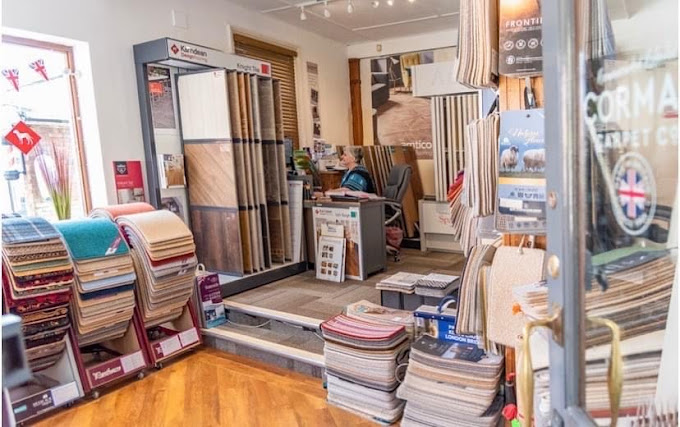
Carpeting fitting

How to Fit a carpet

How to Fit a carpet is one of those household questions that tends to arrive without an appointment. One minute the carpet is behaving itself, the next it is wearing a fresh mark, smell, dent, or mystery patch like an unwanted badge. The good news is that most carpet problems can be improved, and many can be solved completely, with a calm approach, the right tools, and a little patience.

Installation jobs are less about brute force and more about accurate measuring, careful cutting, and tidy sequencing. A carpet can look luxurious or lumpy depending on the planning that happens before it is even rolled out. In the steps below, you will find a plain-English process that helps you avoid wasted material, loose edges, visible joins, and the kind of fitting errors that creak at you for months.

Step-by-step method

  1. Measure the room carefully at the widest and longest points, allowing for alcoves, doorways, and a small cutting margin.
  2. Check the subfloor before fitting. It should be clean, dry, sound, and level. Deal with squeaks, damp, and protruding fixings first.
  3. Install grippers and underlay in the correct order for the space. Good preparation does more for the final feel than most people realise.
  4. Plan the pile direction and joins before cutting. Poor planning can make seams visible or change the way light hits the carpet.
  5. Trim gradually rather than taking too much in one cut. A careful shave beats an accidental haircut every time.
  6. Stretch and secure the carpet properly so it sits flat, tight, and smooth without ripples or loose edges.

Before you start

Check tools, carpet direction, doorway heights, skirting condition, and the state of the subfloor before making the first cut. Many fitting headaches begin earlier than people think. A dry, clean, level base and accurate measurements give the whole job a calmer rhythm and reduce waste.

Mistakes to avoid

  • Measuring only the visible floor and forgetting recesses, thresholds, or turning points on stairs.
  • Cutting too aggressively instead of trimming gradually.
  • Skipping subfloor preparation and hoping the carpet will hide every sin below it.
  • Underestimating how much a poor stretch or badly planned join affects the finished look.

When to call a professional

Bring in a professional if the carpet is expensive, the affected area is large, the stain or smell has soaked into the underlay, there is repeated pest activity, or DIY attempts have already changed the texture or colour. Professional cleaners, fitters, and pest specialists have access to stronger equipment, better diagnostics, and the kind of experience that saves a lot of second-guessing.

Frequently asked questions

How to Fit a carpet

Yes, in many cases it can be improved or solved completely, especially when you act quickly, use the correct method for the carpet type, and avoid over-wetting or over-scrubbing.

What should I test before treating the full area?

Test the cleaning product or method on a hidden section first. Check for colour loss, texture change, or damage to the backing.

How long should I wait before deciding whether it worked?

Wait until the carpet is fully dry. Many marks look lighter or darker while damp, and some residue only becomes obvious after drying.

Tools that usually help

For most carpet jobs, a small kit goes a long way: white microfibre cloths, paper towels, a spoon or blunt scraper, a vacuum with a clean head, lukewarm water, a plain spray bottle, and a carpet-safe detergent or specialist stain remover suited to the issue. A fan is useful for drying, and in odour cases an enzyme-based product can be more effective than a heavily perfumed cleaner because it targets the residue rather than trying to merely out-sing it.

How to protect the carpet afterwards

Once the area is clean and dry, avoid heavy traffic for a while and vacuum the surrounding space when everything has settled. Use entrance mats, rotate rugs, trim pet claws where appropriate, and deal with spills as soon as possible. Prevention is rarely glamorous, but it is the quiet hero in the cape. Good habits reduce repeat staining, odours, tracking, and wear, which means the carpet looks better and lasts longer.

Final thoughts

How to Fit a carpet does not need panic, only a sensible plan. Start gently, work in stages, keep moisture under control, and dry the area properly before judging the result. If the issue is stubborn, widespread, or tied to the subfloor, underlay, or an active pest problem, professional help is often the fastest route to a genuinely clean and lasting finish.

A final practical tip: keep white cloths, paper towels, a blunt scraper, and a small spray bottle ready in a cupboard. Most carpet emergencies are easier to handle when you do not spend the first ten minutes rummaging for supplies while the stain settles in like an unwanted tenant.
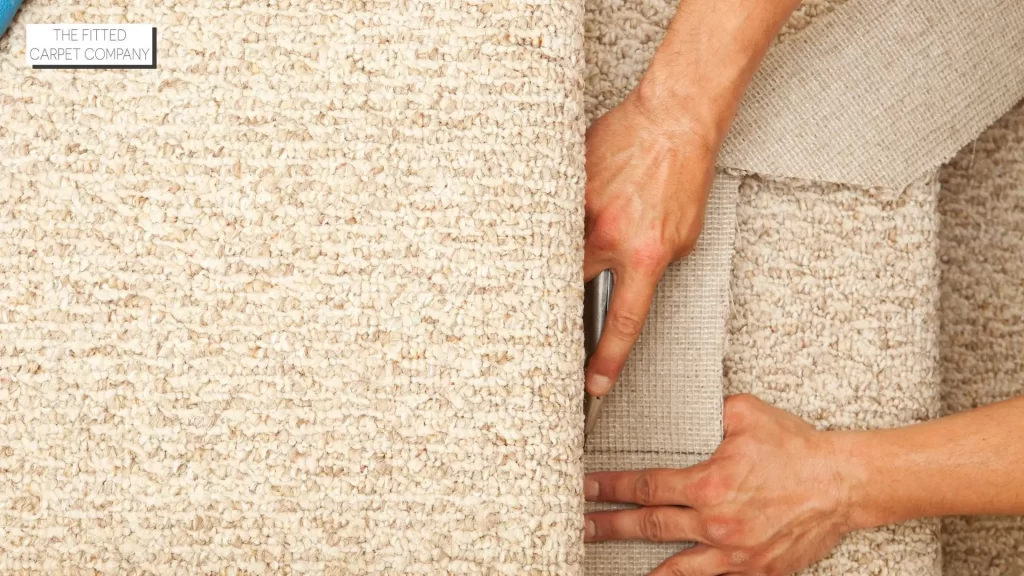
Stair rods from the fitted carpet company- How to measure stairs for carpet

How to Measure stairs for carpet

How to Measure stairs for carpet is one of those household questions that tends to arrive without an appointment. One minute the carpet is behaving itself, the next it is wearing a fresh mark, smell, dent, or mystery patch like an unwanted badge. The good news is that most carpet problems can be improved, and many can be solved completely, with a calm approach, the right tools, and a little patience.

Installation jobs are less about brute force and more about accurate measuring, careful cutting, and tidy sequencing. A carpet can look luxurious or lumpy depending on the planning that happens before it is even rolled out. In the steps below, you will find a plain-English process that helps you avoid wasted material, loose edges, visible joins, and the kind of fitting errors that creak at you for months.

Step-by-step method

  1. Measure the room carefully at the widest and longest points, allowing for alcoves, doorways, and a small cutting margin.
  2. Check the subfloor before fitting. It should be clean, dry, sound, and level. Deal with squeaks, damp, and protruding fixings first.
  3. Install grippers and underlay in the correct order for the space. Good preparation does more for the final feel than most people realise.
  4. Plan the pile direction and joins before cutting. Poor planning can make seams visible or change the way light hits the carpet.
  5. Trim gradually rather than taking too much in one cut. A careful shave beats an accidental haircut every time.
  6. Stretch and secure the carpet properly so it sits flat, tight, and smooth without ripples or loose edges.

Before you start

Check tools, carpet direction, doorway heights, skirting condition, and the state of the subfloor before making the first cut. Many fitting headaches begin earlier than people think. A dry, clean, level base and accurate measurements give the whole job a calmer rhythm and reduce waste.

Mistakes to avoid

  • Measuring only the visible floor and forgetting recesses, thresholds, or turning points on stairs.
  • Cutting too aggressively instead of trimming gradually.
  • Skipping subfloor preparation and hoping the carpet will hide every sin below it.
  • Underestimating how much a poor stretch or badly planned join affects the finished look.

When to call a professional

Bring in a professional if the carpet is expensive, the affected area is large, the stain or smell has soaked into the underlay, there is repeated pest activity, or DIY attempts have already changed the texture or colour. Professional cleaners, fitters, and pest specialists have access to stronger equipment, better diagnostics, and the kind of experience that saves a lot of second-guessing.

Frequently asked questions

How to Measure stairs for carpet

Yes, in many cases it can be improved or solved completely, especially when you act quickly, use the correct method for the carpet type, and avoid over-wetting or over-scrubbing.

What should I test before treating the full area?

Test the cleaning product or method on a hidden section first. Check for colour loss, texture change, or damage to the backing.

How long should I wait before deciding whether it worked?

Wait until the carpet is fully dry. Many marks look lighter or darker while damp, and some residue only becomes obvious after drying.

Tools that usually help

For most carpet jobs, a small kit goes a long way: white microfibre cloths, paper towels, a spoon or blunt scraper, a vacuum with a clean head, lukewarm water, a plain spray bottle, and a carpet-safe detergent or specialist stain remover suited to the issue. A fan is useful for drying, and in odour cases an enzyme-based product can be more effective than a heavily perfumed cleaner because it targets the residue rather than trying to merely out-sing it.

How to protect the carpet afterwards

Once the area is clean and dry, avoid heavy traffic for a while and vacuum the surrounding space when everything has settled. Use entrance mats, rotate rugs, trim pet claws where appropriate, and deal with spills as soon as possible. Prevention is rarely glamorous, but it is the quiet hero in the cape. Good habits reduce repeat staining, odours, tracking, and wear, which means the carpet looks better and lasts longer.

How to Measure stairs for carpet does not need panic, only a sensible plan. Start gently, work in stages, keep moisture under control, and dry the area properly before judging the result. If the issue is stubborn, widespread, or tied to the subfloor, underlay, or an active pest problem, professional help is often the fastest route to a genuinely clean and lasting finish.

A final practical tip: keep white cloths, paper towels, a blunt scraper, and a small spray bottle ready in a cupboard. Most carpet emergencies are easier to handle when you do not spend the first ten minutes rummaging for supplies while the stain settles in like an unwanted tenant.

carpet fitting hawkhurst

Carpet Fitting: Elevating Your Space with Precision and Style

Carpet fitting is an integral aspect of interior design, influencing not only the aesthetic appeal of a space but also its comfort and functionality. Whether you’re revamping your living room or renovating your office, the way your carpet is fitted can make a substantial difference. In this article, we’ll explore the nuances of carpet fitting, from the importance of professional installation to considerations before fitting and trends shaping the industry.


Introduction

Definition of Carpet Fitting

Carpet fitting is the meticulous process of installing carpets in a way that not only enhances the visual appeal of a space but also ensures longevity and functionality. It involves precise measurements, subfloor preparation, and expert installation techniques.


Importance of Professional Carpet Fitting

Carpet fitting is more than just a task; it’s a crucial element that significantly impacts the overall aesthetics, functionality, and longevity of your carpet. While the allure of a DIY approach may seem tempting, the importance of professional carpet fitting cannot be overstated. Let’s delve deeper into the various aspects that highlight the significance of entrusting this task to skilled professionals.


1. Precision and Expertise

Professional carpet fitters bring a level of precision and expertise that is honed through years of experience. They have an in-depth understanding of different carpet types, ensuring that each material is handled and installed with the utmost care. This expertise is particularly valuable when dealing with intricate patterns, specialised textures, or carpets with unique features.


2. Maximising Carpet Lifespan

The longevity of your carpet is directly tied to how well it’s fitted. Professional fitters take measures to minimise wear and tear, ensuring that your investment lasts for years. Their expertise in stretching the carpet correctly, eliminating wrinkles, and securing it in place contributes to its durability.


3. Seamless Aesthetic Appeal

One of the most noticeable differences between DIY and professional carpet fitting is the seamless aesthetic achieved by the latter. Professional fitters ensure that carpet seams are virtually invisible, creating a visually appealing and cohesive look across the entire floor. This attention to detail elevates the overall aesthetic of your space.


4. Avoiding Common Pitfalls

DIY carpet fitting often comes with common pitfalls, such as inaccurate measurements, uneven stretching, or improper subfloor preparation. Professional fitters are well-versed in identifying and avoiding these pitfalls, resulting in a flawless installation that eliminates potential issues down the line.


5. Customised Solutions

Every space is unique, and professional carpet fitters recognize the importance of tailoring their approach to each specific environment. Whether it’s a residential home or a commercial space, professionals assess the unique requirements and provide customised solutions, ensuring the perfect fit and functionality.


6. Efficiency and Time-Saving

While DIY projects can stretch over days or even weeks, professional carpet fitting is an efficient process. Experienced fitters work swiftly without compromising on quality, minimising disruption to your daily routine. This efficiency is particularly valuable in commercial settings where time is of the essence.


7. Warranty and Guarantees

Professional carpet fitting often comes with warranties and guarantees. This provides peace of mind, knowing that any issues arising from the installation will be addressed promptly and without additional costs. DIY projects lack this assurance, leaving homeowners solely responsible for any errors or defects.


8. Enhanced Comfort and Safety

Beyond the visual appeal, professional carpet fitting contributes to the comfort and safety of the space. A well-fitted carpet eliminates tripping hazards, provides a comfortable underfoot experience, and ensures that the carpet remains securely in place, enhancing the overall safety of the environment.


9. Expert Recommendations

Professional fitters often act as valuable sources of advice and recommendations. From helping you choose the right carpet type for your space to suggesting maintenance tips, their expertise extends beyond the installation process, providing you with comprehensive guidance for the care and longevity of your carpet.


10. Cost-Efficiency in the Long Run

While professional carpet fitting may involve an initial investment, it proves to be cost-efficient in the long run. Avoiding the pitfalls and potential mistakes associated with DIY projects saves you money on repairs and replacements, ensuring that your carpet maintains its quality over time.


Benefits of Professional Carpet Fitting

Improved Aesthetic Appeal

Professional carpet fitting contributes significantly to the overall look and feel of a room. The precise alignment and seamless joins achieved by professionals create a polished and sophisticated appearance.


Prolonged Carpet Lifespan

The longevity of your carpet is directly influenced by how it’s fitted. Professionals ensure that the carpet is laid with precision, minimising wear and tear and extending its lifespan.


Enhanced Comfort and Safety

Properly fitted carpets provide a comfortable and safe environment. No one wants a carpet that bunches up or presents tripping hazards. Professional installation guarantees a snug fit, enhancing the overall comfort and safety of your living or working space.


Considerations Before Carpet Fitting

Choosing the Right Carpet

The journey of carpet fitting begins with selecting the right carpet. Consider factors such as material, pile, and colour that align with the aesthetic you desire and the functionality needed for the space.


Measuring the Space

Accurate measurements are crucial to avoid issues during installation. Whether it’s a single room or an entire house, precise measurements ensure that you purchase the correct amount of carpet and minimise wastage.


Subfloor Preparation

Before fitting any carpet, it’s essential to prepare the subfloor adequately. This includes cleaning, levelling, and addressing any imperfections that could affect the carpet’s appearance and lifespan.


DIY vs. Professional Carpet Fitting

Pros and Cons of DIY

DIY carpet fitting may seem like a cost-effective option, but it comes with challenges. Inaccurate measurements, improper stretching, and uneven seams are common issues that can arise.


Advantages of Professional Installation

Professional carpet fitting guarantees expertise and precision. Installers are trained to handle various challenges, ensuring that your carpet is fitted flawlessly. Additionally, professional fitting often comes with warranties, providing peace of mind.


Cost Considerations

While DIY may seem initially cheaper, the potential for errors can lead to additional costs for repairs and replacements. Professional installation, though an upfront investment, offers long-term value by avoiding common pitfalls.


Steps in Professional Carpet Fitting

Initial Assessment and Consultation

Professional carpet fitting begins with a thorough assessment of the space. Installers will discuss your preferences, assess the subfloor, and provide recommendations tailored to your needs.


Carpet Selection and Measurement

Once the assessment is complete, you’ll choose a carpet that aligns with your vision. Precise measurements will then be taken to ensure the correct amount of carpet is ordered.


Subfloor Preparation

Before laying the carpet, the subfloor undergoes meticulous preparation. This step includes cleaning, levelling, and addressing any issues that could impact the carpet’s appearance and performance.


Carpet Installation Techniques

The actual installation involves stretching the carpet to eliminate wrinkles, ensuring proper seam alignment, and securing the carpet in place. Professional installers use specialised tools and techniques to achieve a flawless result.


Common Mistakes to Avoid

Inaccurate Measurements

One of the most common mistakes is inaccurate measurements. Professional installers take precise measurements to ensure that the carpet fits seamlessly without excess or shortage.


Poor Subfloor Preparation

Neglecting subfloor preparation can lead to an uneven carpet surface, affecting both appearance and comfort. Professionals prioritise this step to guarantee a smooth and flawless installation.


Incorrect Carpet Type for the Space

Choosing the wrong carpet type for the space can result in premature wear and tear. Professionals guide you in selecting a carpet that suits the function and traffic levels of the area.


Aftercare and Maintenance Tips

Vacuuming and Carpet Cleaning

Regular vacuuming and occasional deep cleaning are essential to maintain the appearance and hygiene of your carpet. Use a vacuum cleaner with adjustable height settings to avoid damaging the fibres.


Handling Stains Promptly

Promptly addressing stains is crucial to prevent them from setting. Blot the stain with a clean, dry cloth and use a suitable carpet cleaner. Avoid harsh chemicals that could damage the carpet.


Periodic Professional Maintenance

While regular care is essential, periodic professional maintenance is recommended. Professional cleaners have the expertise and equipment to remove deeply embedded dirt and stains, extending the life of your carpet.


Carpet Fitting Trends

Sustainable and Eco-Friendly Options

As environmental consciousness grows, there’s a rising trend in sustainable and eco-friendly carpet options. Manufacturers are producing carpets made from recycled materials and employing eco-conscious production processes.


Innovative Patterns and Designs

Carpet design is evolving beyond traditional patterns. Modern trends include bold colours, geometric shapes, and innovative textures that add a contemporary flair to any space.


Expert Recommendations

Tips for Prolonging Carpet Life

Vinyl tile flooring is celebrated for its low-maintenance characteristics, offering a practical and visually appealing solution for various spaces. To ensure your vinyl tiles maintain their beauty and longevity, it’s crucial to employ the right cleaning methods. In this section, we will provide practical tips for routine cleaning, empowering you with the knowledge needed to preserve the pristine appearance of your vinyl tiles.


1. Regular Sweeping or Vacuuming: The Foundation of Cleanliness

a. Dust and Debris Removal:

Begin by sweeping or vacuuming the vinyl tile floor regularly to eliminate loose dirt, dust, and debris. This prevents abrasive particles from scratching the surface of the tiles over time.

b. Soft Bristle Brushes:

When using a broom or vacuum, opt for soft bristle brushes or vacuum attachments suitable for hard floors to avoid any potential damage to the vinyl tile surface.

2. Damp Mopping: Gentle and Effective

a. Use a Soft Mop:

For deeper cleaning, damp mop the vinyl tile floor using a soft mop. Microfiber mops are particularly effective, providing gentle yet thorough cleaning.

b. Mild Cleaning Solutions:

Mix a solution of mild dish soap or a specialised vinyl floor cleaner with warm water. Avoid harsh chemicals or abrasive cleaners that can damage the protective layer of the vinyl tiles.

c. Wring Out Excess Moisture:

Ensure the mop is well-wrung before applying it to the floor. Excess moisture can seep into seams or edges, potentially causing damage over time.

3. Addressing Spills Promptly: Prevention is Key

a. Immediate Clean-Up:

Attend to spills promptly to prevent staining. Use a soft cloth or paper towel to blot and absorb the liquid, followed by a gentle cleaning with the damp mop.

b. Avoid Standing Water:

Vinyl tile flooring is moisture-resistant, but standing water should still be avoided. Wipe up any spills promptly to prevent water from seeping into seams or edges.

4. Steering Clear of Harsh Chemicals: Protecting the Finish

a. Avoid Abrasive Cleaners:

Refrain from using abrasive cleaners, wax-based products, or harsh chemicals on vinyl tile flooring. These can damage the protective finish and compromise the overall appearance.

b. Vinyl-Safe Cleaners:

Choose cleaning products specifically designed for vinyl floors. These are formulated to clean effectively without causing harm to the vinyl surface.

5. Regular Inspection: Identifying Issues Early

a. Check for Damage:

Periodically inspect the vinyl tiles for any signs of damage, such as scratches, gouges, or worn areas. Addressing issues promptly can prevent further deterioration.

b. Addressing Wear and Tear:

In high-traffic areas, consider using rugs or mats to reduce wear on specific spots. This proactive approach can extend the lifespan of your vinyl tile flooring.

6. Avoiding Rubber or Sharp Objects: Preventing Damage

a. Rubber Backed Mats:

Use mats with non-rubber backing at entrances to prevent tracking in dirt. Rubber-backed mats can, over time, cause discolouration or damage to the vinyl surface.

b. Cushioning Furniture:

When moving furniture, use caution and consider placing protective pads underneath to prevent scratching or gouging the vinyl tiles.

7. Periodic Deep Cleaning: Restoring Shine

a. Occasional Deep Cleaning:

Schedule periodic deep cleaning sessions using a vinyl floor cleaner or a solution of white vinegar and water. Follow the manufacturer’s recommendations for deep cleaning intervals.

b. Avoid Steam Cleaners:

Steer clear of steam cleaners as the high temperature and moisture can damage the adhesive holding the vinyl tiles in place.


Conclusion


In conclusion, the process of carpet fitting plays a pivotal role in shaping both the visual appeal and functionality of a space. While the appeal of engaging in a do-it-yourself project is understandable, the advantages derived from professional carpet fitting are truly remarkable. From elevating the overall appearance to extending the lifespan of your carpet, the benefits underscore the significance of investing in expert installation.


Opting for professional installation guarantees not only a visually striking carpet but also one that withstands the trials of time, adding a touch of enduring comfort and sophistication to your home or office. The precision, expertise, and attention to detail brought by professional fitters ensure that every aspect of the installation is flawlessly executed.


For those considering a carpet upgrade, the decision to entrust the task to professionals is not just about immediate satisfaction; it is an investment in the long-term value and quality of your living or working space. To explore the possibilities of professional carpet fitting, we invite you to visit our website at www.thefittedcarpetco.co.uk or call us at 01580 753483. Discover how our team of experts can transform your space with the perfect blend of aesthetics and functionality, ensuring that your investment in a new carpet becomes a source of enduring joy and satisfaction.


FAQs – Your Carpet Fitting Queries Answered!

Q: Can I install a carpet myself, or is professional fitting necessary?

A: While DIY is an option, professional fitting ensures precision, longevity, and often comes with warranties for added peace of mind.


Q: How do I choose the right carpet for my space?

A: Consider factors like material, pile, and colour, aligning with your aesthetic preferences and the functionality needed for the space.


Q: What are the common mistakes to avoid during carpet fitting?

A: Inaccurate measurements, poor subfloor preparation, and choosing the wrong carpet type for the space are common pitfalls to avoid.


Q: How often should I clean my carpet, and what products should I use?

A: Regular vacuuming is essential, and occasional deep cleaning is recommended. Use suitable carpet cleaners, avoiding harsh chemicals.


Q: Are there sustainable carpet options available?

A: Yes, sustainable and eco-friendly carpet options made from recycled materials are increasingly popular in the market.