
Carpet Types for Durability: a Comprehensive Guide for 2026
Choosing the right carpet for your home or business is about more than aesthetics. While colour and texture matter, durability should be your primary concern if you want flooring that lasts through busy family life, commercial foot traffic, and the unpredictable weather conditions common throughout Kent and East Sussex. The right carpet type can serve you beautifully for fifteen years or more, whilst the wrong choice may show wear within months.
At The Fitted Carpet Company, we’ve seen firsthand how carpet selection impacts longevity. After fitting thousands of carpets across properties from Robertsbridge to Headcorn, we’ve learned which carpet types truly stand the test of time. This guide explores the most durable carpet options available in 2026, helping you make an informed decision that protects your investment.
Understanding Carpet Durability Factors
Before exploring specific carpet types, it’s essential to understand what makes a carpet durable. Several interconnected factors determine how well a carpet withstands daily wear:

Fibre composition forms the foundation of carpet durability. The material from which carpet fibres are manufactured directly affects resistance to crushing, staining, and fading. Different fibres offer distinct advantages depending on your specific needs.
Density and pile weight measure how tightly fibres are packed together. A denser carpet with more fibres per square inch naturally resists crushing and maintains its appearance longer. You can test density by pressing your thumb into a carpet sample—quality, durable carpet springs back quickly.
Twist rating indicates how many times fibres are twisted together per inch. Higher twist counts generally mean greater durability, as tightly twisted fibres resist matting and unraveling. Look for carpets with twist ratings of five or higher for high-traffic areas.
Backing quality provides structural integrity. The backing holds fibres in place and affects how carpet responds to moisture, a particularly important consideration in areas like Bodiam or Sedlescombe where dampness can be an issue. Quality backing prevents delamination and extends carpet life.
Nylon Carpets: The Durability Champion
Nylon remains the gold standard for carpet durability in 2026, and for excellent reason. This synthetic fibre offers an exceptional balance of strength, resilience, and longevity that makes it ideal for both residential and commercial applications.

The molecular structure of nylon gives it remarkable tensile strength. Nylon carpets resist crushing better than any other fibre type, springing back to their original shape even after years of foot traffic. This resilience makes nylon particularly suitable for hallways, staircases, and living areas in family homes throughout Goudhurst, Wadhurst, and surrounding villages.
Modern nylon carpets incorporate advanced stain-resistant treatments at the manufacturing stage. Unlike topical treatments that wash away over time, these integrated protections remain effective throughout the carpet’s life. Spills from red wine, coffee, or muddy boots—common hazards in rural Kent and Sussex properties—wipe away easily when addressed promptly.
Nylon also offers excellent fade resistance, maintaining colour vibrancy even in south-facing rooms with strong sunlight exposure. The fibre accepts dye exceptionally well, providing rich, lasting colour that won’t bleach or discolour over time.
For commercial clients requiring carpet for shops, offices, or hospitality venues, nylon provides the durability necessary to withstand constant traffic whilst maintaining a professional appearance. We regularly install nylon carpets in commercial settings across Tunbridge Wells and the surrounding business districts.
Nylon 6 vs Nylon 6,6
Two types of nylon exist in carpet manufacturing. Nylon 6,6 offers slightly superior resilience and heat resistance, making it the premium choice for ultimate durability. Nylon 6 provides excellent performance at a more accessible price point. Both significantly outperform most other carpet fibres in durability testing.
Polypropylene Carpets: Budget-Friendly Durability
Polypropylene, also known as olefin, offers impressive durability characteristics at a lower price point than nylon. This synthetic fibre has gained popularity for specific applications where its unique properties provide distinct advantages.
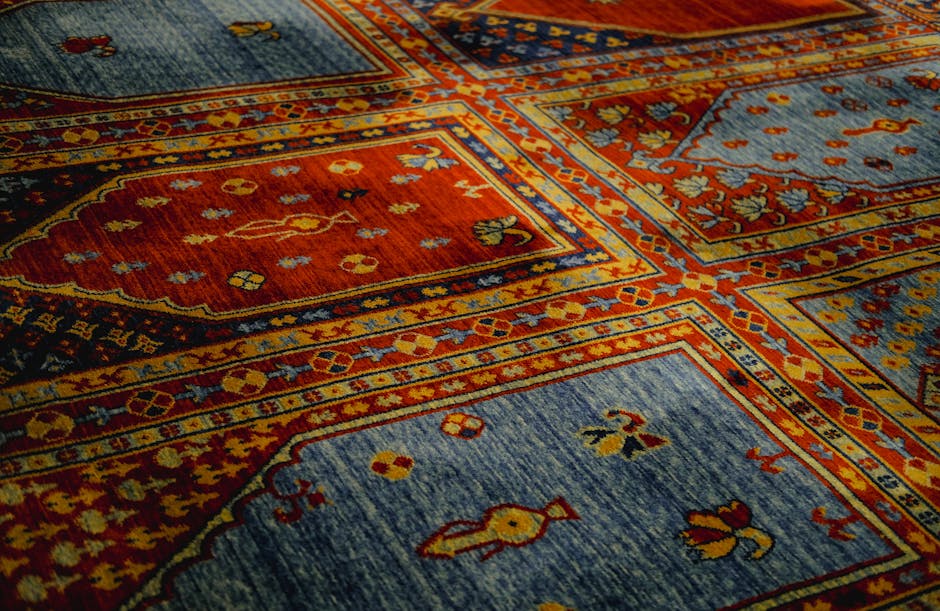
The inherent stain resistance of polypropylene sets it apart. Rather than requiring chemical treatments, polypropylene fibres are naturally stain-resistant because they don’t absorb moisture. This makes polypropylene carpets particularly suitable for family homes with children and pets, or for areas prone to spills.
Polypropylene resists fading exceptionally well, as the colour is integrated during manufacturing rather than applied afterward. This solution-dyed process means the colour runs through the entire fibre, making polypropylene carpets ideal for conservatories and bright rooms where sunlight exposure is significant.
However, polypropylene has lower resilience than nylon. It may flatten more quickly in very high-traffic areas, making it less suitable for commercial applications or main hallways. For bedrooms, studies, and moderate-traffic living spaces, polypropylene offers excellent value and longevity.
Properties throughout Ticehurst, Benenden, and similar locations often benefit from polypropylene carpets in secondary rooms, combining affordability with practical durability for spaces that don’t endure constant traffic.
Wool Carpets: Natural Durability with Character
Wool represents the premium natural option for durable carpeting. Used in floor coverings for thousands of years, wool offers a unique combination of performance characteristics that synthetic fibres struggle to match.
The natural crimp in wool fibres creates exceptional resilience. Wool carpets spring back from compression naturally, maintaining their appearance over decades rather than years. Historic homes throughout Lamberhurst and Penshurst often feature wool carpets that have served beautifully for thirty years or more.
Wool possesses natural flame-resistance without chemical treatments, an important safety consideration for both residential and commercial properties. The fibre is inherently difficult to ignite and self-extinguishing, providing peace of mind alongside durability.
Natural soil resistance is another wool advantage. The fibre’s scaly surface repels dirt, whilst its ability to absorb and release moisture helps maintain indoor air quality—particularly beneficial in the variable humidity conditions common across Sussex and Kent.
Wool carpets do require more careful maintenance than synthetics. Professional cleaning extends their life significantly, and they’re more susceptible to moth damage if not properly cared for. Despite this, wool remains the choice for discerning homeowners seeking natural materials with proven longevity.
Many period properties in areas like Sissinghurst and Burwash choose wool carpets to complement their home’s character whilst ensuring durability that matches the building’s timeless quality.
Polyester Carpets: Emerging Durability Technology
Modern polyester carpets represent significant technological advancement from earlier generations. Whilst polyester once offered limited durability, contemporary manufacturing techniques have transformed this fibre into a viable option for certain applications.
Triexta, a refined polyester variant, provides durability approaching nylon at a mid-range price point. This newer fibre technology offers excellent stain resistance and good resilience, making it suitable for family homes without the premium cost of nylon or wool.
Polyester carpets excel in softness and colour richness. The fibre accepts dye beautifully, producing vibrant colours with luxurious feel underfoot. For bedrooms and low-traffic areas where comfort matters as much as durability, polyester provides an appealing option.
However, polyester still trails nylon in high-traffic performance. For main thoroughfares, commercial spaces, or homes with large dogs, nylon remains the superior choice. Polyester suits private rooms where its softness can be enjoyed without extreme wear concerns.
Carpet Construction: Loop Pile vs Cut Pile Durability
Beyond fibre type, carpet construction significantly impacts durability. The way fibres are formed into carpet surface affects both performance and longevity.
Loop pile carpets feature uncut loops of fibre, creating an extremely durable surface ideal for heavy traffic. Berber-style carpets exemplify this construction, offering exceptional crush resistance. Loop pile works beautifully in commercial settings, hallways, and busy family areas throughout properties in Marden, Staplehurst, and beyond.
The continuous loop structure distributes weight across more surface area, preventing individual fibres from bearing excessive stress. This makes loop pile particularly suitable for office spaces and commercial environments where durability is paramount.
Cut pile carpets feature fibres cut at the top, creating a softer, more luxurious feel. Whilst generally less durable than loop pile, high-quality cut pile carpets with dense construction and quality fibres still offer excellent longevity for residential applications.
Cut and loop combinations blend both construction types, creating patterned surfaces that hide wear whilst providing good durability. These carpets offer visual interest alongside practical performance.
For ultimate durability in high-traffic areas, twisted pile construction with high twist counts provides the best performance in cut pile carpets. The tight twisting helps fibres resist crushing and maintain their upright position longer.
Matching Carpet Type to Your Specific Needs
Selecting the most durable carpet type requires matching fibre and construction to your specific circumstances. Consider these factors when making your decision:
Traffic levels should guide your primary choice. Main hallways, living rooms, and commercial spaces demand nylon or dense loop pile carpets. Bedrooms and studies can accommodate softer options like wool or polyester without sacrificing practical longevity. For advice on specific high-traffic areas, you might find our guide on how to choose carpet for stairs helpful.
Household composition matters significantly. Homes with children, pets, or frequent guests need carpets that resist staining and crushing. Nylon provides the best all-round performance for active households, whilst polypropylene offers excellent stain resistance at lower cost.
Aesthetic preferences shouldn’t be ignored even when prioritising durability. Modern manufacturing means you needn’t sacrifice appearance for performance. High-quality nylon and wool carpets both offer beautiful options that perform exceptionally well.
Environmental conditions in Kent and East Sussex include variable humidity and occasional dampness. Quality underlay and proper installation prevent moisture issues, but choosing carpets with good backing and appropriate fibre types helps ensure longevity in local conditions.
Maintenance commitment varies by carpet type. Wool requires more careful attention, whilst nylon and polypropylene offer easier care. Consider your willingness to invest time in maintenance when selecting carpet type.
Budget considerations must balance initial investment against long-term value. Premium nylon or wool costs more initially but may prove more economical over fifteen years than replacing cheaper carpet twice. Calculate total cost of ownership rather than focusing solely on purchase price.
Professional guidance helps navigate these considerations. At The Fitted Carpet Company, we assess your specific circumstances and recommend carpet types that deliver genuine durability for your situation, ensuring your investment performs beautifully for years to come.
Conclusion: Investing in Lasting Quality
Carpet durability extends far beyond initial appearance. The right carpet type, properly installed and maintained, transforms your flooring from temporary covering into lasting investment. Nylon leads in overall durability performance, wool offers natural resilience with timeless appeal, and polypropylene provides practical stain resistance for family life.
Understanding fibre characteristics, construction types, and how they match your specific needs empowers better decision-making. Whether you’re carpeting a period property in Rolvenden, a modern family home in Ewhurst Green, or commercial premises in any town across Kent and East Sussex, selecting durable carpet types ensures your flooring serves you well into the 2030s and beyond.
The Fitted Carpet Company brings decades of local experience to every installation. We supply and fit quality carpets chosen specifically for durability in your environment, backed by expert installation that maximises carpet life. For those looking for local expertise, you can find local carpet fitters near me East Sussex through our services. From initial selection through professional fitting, we’re committed to carpets that turn houses into homes—beautifully, and lastingly. If you’re wondering about the financial aspect, our carpet fitting cost for East Sussex guide can provide a complete overview.