Home » carpet buying guide

Tag: carpet buying guide

Cut Pile vs Loop Pile Carpet: Complete Guide

Cut Pile vs Loop Pile Carpet: Complete Guide

Choosing the right carpet for your home or business is about more than just colour and pattern. The construction of your carpet—specifically whether it’s cut pile or loop pile—dramatically affects its appearance, durability, and how it feels underfoot. As experienced carpet fitters serving homes and businesses across Kent and East Sussex, we help clients navigate this fundamental decision every day.

Understanding the difference between cut pile vs loop pile carpet empowers you to make an informed choice that suits your lifestyle, budget, and the specific rooms you’re furnishing. Let’s explore everything you need to know about these two primary carpet constructions.

What Is Cut Pile Carpet?

Cut pile carpet is created when the loops of yarn are cut at the top, creating individual yarn tufts that stand upright. This cutting process creates the soft, dense surface that most people associate with traditional carpeting. The cut ends of the fibres create a smooth, luxurious appearance that’s particularly popular in bedrooms and living areas.

cut pile vs loop pile carpet

The manufacturing process involves weaving or tufting loops of yarn into a backing material, then shearing off the tops of these loops. The resulting pile can vary significantly in height, density, and texture depending on the specific style chosen.

Common types of cut pile carpet include:

  • Saxony: Features twisted yarns cut to a uniform height, creating an elegant, formal appearance with a smooth finish
  • Textured: Uses tightly twisted yarns that are heat-set to create a casual, less formal look that hides footprints and vacuum marks
  • Frieze: Consists of highly twisted yarns that curl at the surface, creating a shaggy, informal texture
  • Velvet: Offers the smoothest, most luxurious surface with minimal twist, though it shows footprints and vacuum marks more readily

Cut pile carpets typically feel softer and more cushioned than loop pile options, making them especially popular for spaces where comfort is paramount. Many homeowners in areas like Goudhurst and Lamberhurst choose cut pile for bedrooms and formal living rooms where that plush feeling enhances the room’s ambiance.

What Is Loop Pile Carpet?

Loop pile carpet maintains the original loops of yarn without cutting them, creating a surface of uncut loops that can be uniform in height or varied. This construction method produces a durable, resilient carpet that’s exceptionally practical for high-traffic areas.
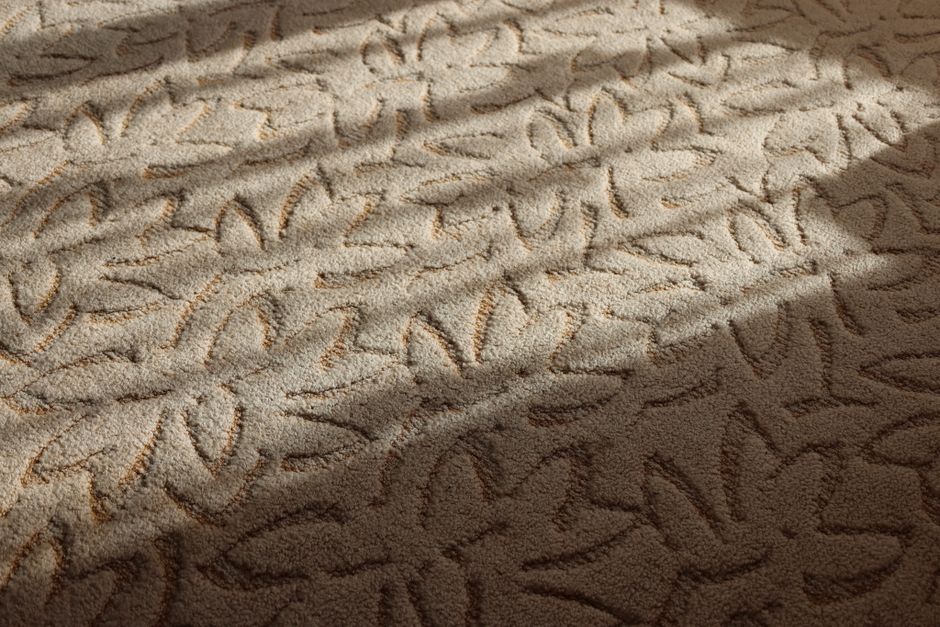
cut pile vs loop pile carpet

The loops themselves provide natural resistance to crushing and matting, as they bounce back more readily than cut fibres. This inherent resilience makes loop pile an excellent choice for commercial settings, hallways, stairs, and family rooms that see constant use.

Popular loop pile styles include:

  • Level loop: Features loops of uniform height, creating a smooth, durable surface ideal for commercial applications
  • Multi-level loop: Incorporates loops of varying heights to create pattern and texture while maintaining durability
  • Berber: Traditionally features thick, tightly looped fibres often in flecked colours, though the term now describes various loop pile styles

Loop pile carpets excel in situations where durability matters most. We frequently recommend them for commercial clients throughout Kent and for residential clients with active households, pets, or heavy foot traffic areas.

Comparing Performance and Durability

When it comes to longevity and performance, loop pile generally has the advantage in high-traffic situations. The continuous loops resist crushing and maintain their appearance longer when subjected to constant footfall. This makes them the preferred choice for commercial carpeting in offices, retail spaces, and hospitality settings across East Sussex.
cut pile vs loop pile carpet

Cut pile carpets, while potentially less durable in extreme traffic situations, offer superior comfort and a more luxurious aesthetic. Modern cut pile carpets with high twist levels and quality fibres can still deliver excellent durability for residential applications. A well-chosen textured cut pile can serve a busy family home in Sandhurst or Ticehurst admirably for many years.

Consider these performance factors:

  • Resilience: Loop pile bounces back better, while cut pile may show compression over time in heavy traffic areas
  • Stain resistance: Both types can be treated for stain resistant carpet, though loop pile’s dense construction may resist initial penetration slightly better
  • Maintenance: Loop pile often hides dirt and debris more effectively, while cut pile may show vacuum marks but feels softer underfoot
  • Longevity: With proper care, both can last 10-15 years, though loop pile typically maintains its appearance longer in commercial settings

The fibre type also significantly impacts durability. Nylon offers excellent resilience for both cut and loop constructions, while polyester provides softness in cut pile applications, and wool delivers natural luxury and durability in either style.

Comfort, Aesthetics, and Feel

The tactile experience of your carpet matters enormously, particularly in spaces where you walk barefoot or spend time on the floor. Cut pile carpets consistently win in the comfort category, offering a softer, more cushioned feel that’s particularly welcome in bedrooms, nurseries, and areas where children play.

The visual impact differs substantially between these constructions. Cut pile creates a more formal, elegant appearance with its smooth surface and rich depth. This makes it ideal for creating sophisticated interiors in period properties throughout Benenden or Sissinghurst, where traditional aesthetics matter.

Loop pile delivers a more casual, contemporary look that suits modern interiors beautifully. Its textured surface creates visual interest while maintaining a practical, unfussy character. Multi-level loop pile can introduce subtle pattern without overwhelming a space, making it versatile for both traditional and contemporary homes in areas like Wadhurst or Mayfield.

The psychological aspect of comfort shouldn’t be overlooked. Entering a room with plush cut pile carpet creates an immediate sense of luxury and relaxation, while loop pile conveys durability and practicality. Your choice sets the tone for how a space feels to inhabitants and visitors alike.

Best Applications for Each Type

Selecting the right carpet construction for specific rooms dramatically impacts satisfaction and longevity. Cut pile excels in low to moderate traffic areas where comfort takes priority over extreme durability. Bedrooms, formal dining rooms, and adult living spaces benefit from the luxurious feel and elegant appearance of quality cut pile carpeting.

Loop pile dominates in situations where durability and practicality matter most. Commercial environments, rental properties, family rooms, playrooms, hallways, and carpet for stairs all benefit from loop pile’s resilient nature. Pet owners particularly appreciate how loop pile withstands the wear from active animals, though care must be taken as pet claws can sometimes catch and pull loops.

Recommended applications:

  • Bedrooms: Cut pile (Saxony or textured) for comfort and luxury
  • Living rooms: Either type depending on traffic levels and desired formality
  • Stairs and hallways: Loop pile for durability, or high-quality textured cut pile
  • Home offices: Loop pile for chair movement and durability
  • Children’s rooms: Loop pile for durability, or soft cut pile for comfort
  • Commercial spaces: Level loop or multi-level loop for longevity and maintenance ease

Climate considerations also play a role. In homes throughout Kent and East Sussex, where moderate temperatures prevail, both options perform well. However, loop pile’s lower profile can feel slightly cooler underfoot in winter, while cut pile’s density provides marginally better insulation.

Making Your Decision

Your ideal carpet choice emerges from balancing multiple factors: traffic levels, desired comfort, aesthetic preferences, maintenance expectations, and budget. There’s no universally “better” option—only the better choice for your specific circumstances.

Start by honestly assessing how each room will be used. A master bedroom in a Rolvenden home with minimal traffic can luxuriate in deep cut pile, while a busy family room in Robertsbridge might demand the practicality of quality loop pile. Some homeowners choose different constructions for different areas, maximising both comfort and durability where each matters most.

Budget considerations often favour loop pile for value-conscious buyers, as it typically costs less per square metre while offering superior longevity in demanding applications. However, the comfort premium of cut pile justifies the investment for many homeowners in bedrooms and other personal spaces.

Don’t underestimate the value of professional advice. As specialist carpet fitters serving communities from Biddenden to Burwash, we bring decades of experience to help you select the construction that truly suits your needs. We can show you samples, discuss your specific requirements, and ensure your investment delivers lasting satisfaction.

Conclusion

The choice between cut pile and loop pile carpet fundamentally shapes your flooring’s performance, appearance, and comfort. Cut pile delivers unmatched softness and elegance for low-traffic areas and bedrooms, while loop pile offers superior durability and practicality for busy spaces and commercial applications. Neither is inherently superior—each excels in different situations.

By understanding these core differences and honestly assessing your priorities, you can select the carpet construction that transforms your Kent or East Sussex property into a comfortable, stylish, and practical space. Whether you choose the plush luxury of cut pile or the resilient practicality of loop pile, quality installation ensures your carpet performs beautifully for years to come.

At The Fitted Carpet Company, we’re here to guide you through every aspect of your carpet selection and ensure expert installation that maximises your investment. Great carpets truly do turn houses into homes.

Related guides

Ready to get started? Contact our Hawkhurst showroom for a free measure and quote.

article 5306fb3c 71dc 4804 950f 8cc73a2748ea featured

Wool Carpet vs Synthetic Carpet: Complete Guide

Wool Carpet vs Synthetic Carpet: Complete Guide

Choosing between wool and synthetic carpet is one of the most important decisions you’ll make when updating your flooring. Both materials offer distinct advantages, and understanding their differences will help you select the right option for your Kent or East Sussex home or business. At The Fitted Carpet Company, we’ve installed countless carpets across the region, and we’re here to guide you through this essential choice.

Understanding Natural Wool Carpets

Wool has been the premium carpet choice for centuries, and for good reason. This natural fibre comes from sheep fleece and offers unique properties that synthetic alternatives struggle to replicate. When you walk on a wool carpet, you’re experiencing one of nature’s most remarkable materials.

wool carpet vs synthetic carpet

Wool fibres have a natural crimp that creates millions of tiny air pockets. These pockets give wool its characteristic softness and springy feel underfoot. The same structure also makes wool naturally insulating, helping to keep your home warm during cold East Sussex winters while remaining cool in summer.

The natural lanolin in wool fibres provides inherent stain resistance. While not completely stain-proof, wool naturally repels water-based spills, giving you precious time to clean up before staining occurs. Wool is also naturally flame-resistant, often self-extinguishing when exposed to fire, making it an excellent safety choice for family homes.

One of wool’s most appreciated qualities is its environmental credentials. As a renewable resource that’s biodegradable, wool carpet offers sustainability that synthetic options cannot match. For environmentally conscious homeowners in areas like Benenden or Goudhurst, this can be a significant deciding factor.

Exploring Synthetic Carpet Options

Synthetic carpets have evolved dramatically since their introduction. Modern synthetic fibres—primarily nylon, polyester, and polypropylene—offer impressive performance characteristics that make them suitable for virtually any application.

wool carpet vs synthetic carpet

Nylon remains the most popular synthetic carpet fibre. It’s exceptionally resilient, bouncing back from compression better than most alternatives. This makes nylon ideal for high-traffic areas in both homes and commercial settings. If you’re carpeting a busy hallway in Robertsbridge or a retail space in Wadhurst, nylon’s durability is hard to beat.

Polyester carpets excel in colour retention and stain resistance. The fibre’s structure makes it difficult for spills to penetrate, and modern polyester often incorporates recycled materials, including plastic bottles, giving it environmental appeal. Polyester offers a luxurious, soft feel that many homeowners love, particularly in bedrooms and quieter living spaces.

Polypropylene, also called olefin, is the most stain-resistant synthetic option. It’s inherently resistant to moisture, mould, and mildew, making it perfect for basement installations or commercial environments where spills are frequent. While not as resilient as nylon, polypropylene offers excellent value for budget-conscious projects.

Comparing Performance and Durability

When it comes to longevity, both wool and synthetic carpets can provide years of service, but they achieve durability differently. Wool’s natural resilience means it maintains its appearance over decades when properly maintained. High-quality wool carpets in historic homes throughout Sissinghurst and Penshurst often remain beautiful after thirty years or more.

wool carpet vs synthetic carpet

Synthetic carpets, particularly nylon, offer excellent resistance to wear in high-traffic situations. While they may show matting over time, quality synthetic carpets typically outlast budget wool options. The key is selecting the appropriate fibre and pile density for your specific needs.

Wool naturally resists soiling because its fibres don’t attract dirt electrostatically. However, when wool does get dirty, it requires careful cleaning. Professional cleaning is often recommended to avoid damaging the fibres or affecting the carpet’s natural oils.

Synthetic carpets are generally easier to clean and maintain. Most modern synthetics include built-in stain treatments, and they tolerate more aggressive cleaning methods. For families with young children or pets in areas like Ticehurst or Northiam, this practical advantage is significant.

Cost Considerations and Value

The price difference between wool and synthetic carpet can be substantial. Wool typically costs two to five times more than synthetic alternatives per square metre. For a average-sized home in Bodiam or Hurst Green, this price difference can amount to thousands of pounds.

However, initial cost doesn’t tell the complete story. Wool’s exceptional durability means it often provides better long-term value. A quality wool carpet might last 25-30 years, while most synthetic carpets need replacement after 10-15 years. When you calculate cost per year of service, the gap narrows considerably.

For commercial applications, the value equation changes. High-traffic commercial environments in Lamberhurst or Staplehurst might benefit from synthetic carpets that can be replaced more frequently without significant investment. The lower replacement cost allows businesses to update their appearance regularly while managing maintenance budgets.

Installation costs remain similar for both materials. At The Fitted Carpet Company, we ensure expert fitting regardless of your carpet choice, with pricing based primarily on your space’s size and complexity rather than the material itself.

Environmental and Health Considerations

For environmentally aware homeowners, wool presents clear advantages. As a natural, renewable resource, wool is biodegradable and produced with relatively low environmental impact. Sheep farming sustains rural communities and maintains pasture lands throughout the UK and beyond.

Wool also contributes to healthier indoor air quality. The fibre naturally regulates humidity, absorbing moisture when air is damp and releasing it when conditions are dry. This helps prevent the growth of dust mites and mould, beneficial for family members with allergies or asthma.

Modern synthetic carpets have made environmental strides. Many manufacturers now use recycled materials and have reduced volatile organic compound (VOC) emissions during production. Some synthetic options now carry environmental certifications, making them more acceptable for green building projects.

However, synthetic carpets are petroleum-based products that don’t biodegrade. When disposed of, they typically end up in landfills where they persist for decades. For residents of Kent and East Sussex who prioritise sustainability, this long-term environmental impact deserves consideration.

Making Your Decision

The choice between wool and synthetic carpet ultimately depends on your priorities, budget, and lifestyle. Wool excels when you value natural materials, long-term investment, and environmental sustainability. It’s ideal for formal living rooms, master bedrooms, and spaces where you want to create a premium, luxurious feel.

Synthetic carpets shine in practical applications. They’re perfect for family rooms, children’s bedrooms, rental properties, and commercial spaces. If budget constraints are significant or you prefer easier maintenance, quality synthetic options deliver excellent performance without compromise.

Consider blended carpets as a middle ground. Wool-synthetic blends combine wool’s natural properties with synthetic durability and easier care. Many homeowners in Headcorn, Marden, and throughout our service area find these blends offer the best of both worlds.

Climate also matters. The naturally temperate conditions in Kent and East Sussex suit both materials well, but wool’s insulating properties provide particular benefit during colder months, while synthetic options handle the occasional damp conditions admirably.

Conclusion

Both wool and synthetic carpets have earned their place in modern homes and businesses. Wool offers unmatched natural beauty, longevity, and environmental credentials, making it worth the premium price for many homeowners. Synthetic carpets provide practical performance, easier maintenance, and budget-friendly options that work beautifully in countless applications.

At The Fitted Carpet Company, we help Kent and East Sussex residents and businesses navigate this decision every day. Our experience across Sandhurst, Rolvenden, Biddenden, and throughout the region has shown us that there’s no universally correct answer—only the right choice for your specific situation. We invite you to visit our showroom or request a home consultation where we can show you samples of both wool and synthetic options, discuss your needs, and help you select the perfect carpet that will turn your house into a home for years to come. Remember to also consider the underlay for carpet benefits before making your final decision.

Related guides

Ready to get started? Contact our Hawkhurst showroom for a free measure and quote.

article 910117c1 6e68 40cd 806a 7136157ef454 featured

Carpet Types for Durability: a Comprehensive Guide for 2026

Carpet Types for Durability: a Comprehensive Guide for 2026

Choosing the right carpet for your home or business is about more than aesthetics. While colour and texture matter, durability should be your primary concern if you want flooring that lasts through busy family life, commercial foot traffic, and the unpredictable weather conditions common throughout Kent and East Sussex. The right carpet type can serve you beautifully for fifteen years or more, whilst the wrong choice may show wear within months.

At The Fitted Carpet Company, we’ve seen firsthand how carpet selection impacts longevity. After fitting thousands of carpets across properties from Robertsbridge to Headcorn, we’ve learned which carpet types truly stand the test of time. This guide explores the most durable carpet options available in 2026, helping you make an informed decision that protects your investment.

Understanding Carpet Durability Factors

Before exploring specific carpet types, it’s essential to understand what makes a carpet durable. Several interconnected factors determine how well a carpet withstands daily wear:

carpet types for durability

Fibre composition forms the foundation of carpet durability. The material from which carpet fibres are manufactured directly affects resistance to crushing, staining, and fading. Different fibres offer distinct advantages depending on your specific needs.

Density and pile weight measure how tightly fibres are packed together. A denser carpet with more fibres per square inch naturally resists crushing and maintains its appearance longer. You can test density by pressing your thumb into a carpet sample—quality, durable carpet springs back quickly.

Twist rating indicates how many times fibres are twisted together per inch. Higher twist counts generally mean greater durability, as tightly twisted fibres resist matting and unraveling. Look for carpets with twist ratings of five or higher for high-traffic areas.

Backing quality provides structural integrity. The backing holds fibres in place and affects how carpet responds to moisture, a particularly important consideration in areas like Bodiam or Sedlescombe where dampness can be an issue. Quality backing prevents delamination and extends carpet life.

Nylon Carpets: The Durability Champion

Nylon remains the gold standard for carpet durability in 2026, and for excellent reason. This synthetic fibre offers an exceptional balance of strength, resilience, and longevity that makes it ideal for both residential and commercial applications.

carpet types for durability

The molecular structure of nylon gives it remarkable tensile strength. Nylon carpets resist crushing better than any other fibre type, springing back to their original shape even after years of foot traffic. This resilience makes nylon particularly suitable for hallways, staircases, and living areas in family homes throughout Goudhurst, Wadhurst, and surrounding villages.

Modern nylon carpets incorporate advanced stain-resistant treatments at the manufacturing stage. Unlike topical treatments that wash away over time, these integrated protections remain effective throughout the carpet’s life. Spills from red wine, coffee, or muddy boots—common hazards in rural Kent and Sussex properties—wipe away easily when addressed promptly.

Nylon also offers excellent fade resistance, maintaining colour vibrancy even in south-facing rooms with strong sunlight exposure. The fibre accepts dye exceptionally well, providing rich, lasting colour that won’t bleach or discolour over time.

For commercial clients requiring carpet for shops, offices, or hospitality venues, nylon provides the durability necessary to withstand constant traffic whilst maintaining a professional appearance. We regularly install nylon carpets in commercial settings across Tunbridge Wells and the surrounding business districts.

Nylon 6 vs Nylon 6,6

Two types of nylon exist in carpet manufacturing. Nylon 6,6 offers slightly superior resilience and heat resistance, making it the premium choice for ultimate durability. Nylon 6 provides excellent performance at a more accessible price point. Both significantly outperform most other carpet fibres in durability testing.

Polypropylene Carpets: Budget-Friendly Durability

Polypropylene, also known as olefin, offers impressive durability characteristics at a lower price point than nylon. This synthetic fibre has gained popularity for specific applications where its unique properties provide distinct advantages.

carpet types for durability

The inherent stain resistance of polypropylene sets it apart. Rather than requiring chemical treatments, polypropylene fibres are naturally stain-resistant because they don’t absorb moisture. This makes polypropylene carpets particularly suitable for family homes with children and pets, or for areas prone to spills.

Polypropylene resists fading exceptionally well, as the colour is integrated during manufacturing rather than applied afterward. This solution-dyed process means the colour runs through the entire fibre, making polypropylene carpets ideal for conservatories and bright rooms where sunlight exposure is significant.

However, polypropylene has lower resilience than nylon. It may flatten more quickly in very high-traffic areas, making it less suitable for commercial applications or main hallways. For bedrooms, studies, and moderate-traffic living spaces, polypropylene offers excellent value and longevity.

Properties throughout Ticehurst, Benenden, and similar locations often benefit from polypropylene carpets in secondary rooms, combining affordability with practical durability for spaces that don’t endure constant traffic.

Wool Carpets: Natural Durability with Character

Wool represents the premium natural option for durable carpeting. Used in floor coverings for thousands of years, wool offers a unique combination of performance characteristics that synthetic fibres struggle to match.

The natural crimp in wool fibres creates exceptional resilience. Wool carpets spring back from compression naturally, maintaining their appearance over decades rather than years. Historic homes throughout Lamberhurst and Penshurst often feature wool carpets that have served beautifully for thirty years or more.

Wool possesses natural flame-resistance without chemical treatments, an important safety consideration for both residential and commercial properties. The fibre is inherently difficult to ignite and self-extinguishing, providing peace of mind alongside durability.

Natural soil resistance is another wool advantage. The fibre’s scaly surface repels dirt, whilst its ability to absorb and release moisture helps maintain indoor air quality—particularly beneficial in the variable humidity conditions common across Sussex and Kent.

Wool carpets do require more careful maintenance than synthetics. Professional cleaning extends their life significantly, and they’re more susceptible to moth damage if not properly cared for. Despite this, wool remains the choice for discerning homeowners seeking natural materials with proven longevity.

Many period properties in areas like Sissinghurst and Burwash choose wool carpets to complement their home’s character whilst ensuring durability that matches the building’s timeless quality.

Polyester Carpets: Emerging Durability Technology

Modern polyester carpets represent significant technological advancement from earlier generations. Whilst polyester once offered limited durability, contemporary manufacturing techniques have transformed this fibre into a viable option for certain applications.

Triexta, a refined polyester variant, provides durability approaching nylon at a mid-range price point. This newer fibre technology offers excellent stain resistance and good resilience, making it suitable for family homes without the premium cost of nylon or wool.

Polyester carpets excel in softness and colour richness. The fibre accepts dye beautifully, producing vibrant colours with luxurious feel underfoot. For bedrooms and low-traffic areas where comfort matters as much as durability, polyester provides an appealing option.

However, polyester still trails nylon in high-traffic performance. For main thoroughfares, commercial spaces, or homes with large dogs, nylon remains the superior choice. Polyester suits private rooms where its softness can be enjoyed without extreme wear concerns.

Carpet Construction: Loop Pile vs Cut Pile Durability

Beyond fibre type, carpet construction significantly impacts durability. The way fibres are formed into carpet surface affects both performance and longevity.

Loop pile carpets feature uncut loops of fibre, creating an extremely durable surface ideal for heavy traffic. Berber-style carpets exemplify this construction, offering exceptional crush resistance. Loop pile works beautifully in commercial settings, hallways, and busy family areas throughout properties in Marden, Staplehurst, and beyond.

The continuous loop structure distributes weight across more surface area, preventing individual fibres from bearing excessive stress. This makes loop pile particularly suitable for office spaces and commercial environments where durability is paramount.

Cut pile carpets feature fibres cut at the top, creating a softer, more luxurious feel. Whilst generally less durable than loop pile, high-quality cut pile carpets with dense construction and quality fibres still offer excellent longevity for residential applications.

Cut and loop combinations blend both construction types, creating patterned surfaces that hide wear whilst providing good durability. These carpets offer visual interest alongside practical performance.

For ultimate durability in high-traffic areas, twisted pile construction with high twist counts provides the best performance in cut pile carpets. The tight twisting helps fibres resist crushing and maintain their upright position longer.

Matching Carpet Type to Your Specific Needs

Selecting the most durable carpet type requires matching fibre and construction to your specific circumstances. Consider these factors when making your decision:

Traffic levels should guide your primary choice. Main hallways, living rooms, and commercial spaces demand nylon or dense loop pile carpets. Bedrooms and studies can accommodate softer options like wool or polyester without sacrificing practical longevity. For advice on specific high-traffic areas, you might find our guide on how to choose carpet for stairs helpful.

Household composition matters significantly. Homes with children, pets, or frequent guests need carpets that resist staining and crushing. Nylon provides the best all-round performance for active households, whilst polypropylene offers excellent stain resistance at lower cost.

Aesthetic preferences shouldn’t be ignored even when prioritising durability. Modern manufacturing means you needn’t sacrifice appearance for performance. High-quality nylon and wool carpets both offer beautiful options that perform exceptionally well.

Environmental conditions in Kent and East Sussex include variable humidity and occasional dampness. Quality underlay and proper installation prevent moisture issues, but choosing carpets with good backing and appropriate fibre types helps ensure longevity in local conditions.

Maintenance commitment varies by carpet type. Wool requires more careful attention, whilst nylon and polypropylene offer easier care. Consider your willingness to invest time in maintenance when selecting carpet type.

Budget considerations must balance initial investment against long-term value. Premium nylon or wool costs more initially but may prove more economical over fifteen years than replacing cheaper carpet twice. Calculate total cost of ownership rather than focusing solely on purchase price.

Professional guidance helps navigate these considerations. At The Fitted Carpet Company, we assess your specific circumstances and recommend carpet types that deliver genuine durability for your situation, ensuring your investment performs beautifully for years to come.

Conclusion: Investing in Lasting Quality

Carpet durability extends far beyond initial appearance. The right carpet type, properly installed and maintained, transforms your flooring from temporary covering into lasting investment. Nylon leads in overall durability performance, wool offers natural resilience with timeless appeal, and polypropylene provides practical stain resistance for family life.

Understanding fibre characteristics, construction types, and how they match your specific needs empowers better decision-making. Whether you’re carpeting a period property in Rolvenden, a modern family home in Ewhurst Green, or commercial premises in any town across Kent and East Sussex, selecting durable carpet types ensures your flooring serves you well into the 2030s and beyond.

The Fitted Carpet Company brings decades of local experience to every installation. We supply and fit quality carpets chosen specifically for durability in your environment, backed by expert installation that maximises carpet life. For those looking for local expertise, you can find local carpet fitters near me East Sussex through our services. From initial selection through professional fitting, we’re committed to carpets that turn houses into homes—beautifully, and lastingly. If you’re wondering about the financial aspect, our carpet fitting cost for East Sussex guide can provide a complete overview.

Related guides

Ready to get started? Contact our Hawkhurst showroom for a free measure and quote.
article 1e669ef8 98b4 4e91 ab5d ea52b77cac79 featured

How to Measure a Room for Carpet

How to Measure a Room for Carpet

Measuring a room for carpet might seem straightforward, but getting it right is crucial to avoid costly mistakes and ensure you order the correct amount of material. Whether you’re planning to carpet a bedroom in your Goudhurst home or fitting out a commercial space in Tunbridge Wells, accurate measurements will save you time, money, and potential headaches. At The Fitted Carpet Company, we’ve helped countless homeowners and businesses across Kent and East Sussex with their carpet installations, and we’re here to guide you through the measuring process step by step.

Stop standing in hallways doing maths.

INTRODUCING CARPETCUTPRO

Measure → Plan → Materials → Quote. CarpetCutPro helps flooring fitters and shops create cleaner cut plans, calculate materials and get quotes moving faster.

Why Accurate Measurements Matter

Before diving into the how-to, it’s worth understanding why precision matters. Ordering too little carpet means delays, additional delivery charges, and potential colour matching issues if you need to reorder from a different batch. Ordering too much means wasted money and excess material that may be difficult to return. Professional carpet fitters like our team always build in a small allowance for pattern matching and cutting, but this should be calculated systematically rather than guessed.

how to measure a room for carpet

For homes throughout Robertsbridge, Wadhurst, and surrounding areas, we regularly encounter rooms with alcoves, bay windows, chimney breasts, and other architectural features that make measuring more complex. These characteristics add charm to period properties but require careful consideration when calculating carpet requirements.

Essential Tools and Preparation

Before you begin measuring, gather the following tools:

how to measure a room for carpet
  • A steel tape measure: at least 5 metres long for accuracy and rigidity
  • Paper and pencil: for sketching the room layout and recording measurements
  • Calculator: for converting measurements and calculating area
  • Spirit level or straight edge: useful for checking wall alignment
  • Someone to help: a second person makes measuring much easier and more accurate

Clear the room as much as possible, removing furniture and rugs so you can measure wall to wall without obstructions. If complete clearance isn’t possible, at least ensure you have access to all corners and edges of the room.

Step-by-Step Measuring Guide

Start by sketching a simple floor plan of your room on paper. This doesn’t need to be to scale, but it should show the basic shape and any permanent fixtures like fitted wardrobes, bay windows, or alcoves. Label each wall (Wall A, Wall B, etc.) to keep track of your measurements.

how to measure a room for carpet

Measuring Rectangular Rooms

For a basic rectangular room, measure the length and width at their longest points. Always measure in metres and centimetres for carpet calculations, as this is the industry standard.

Measure the length of the room at three points: near one wall, through the centre, and near the opposite wall. Walls are rarely perfectly straight, so use the longest measurement to ensure adequate coverage. Repeat this process for the width.

Record these measurements on your sketch. For example, if your room measures 4.82 metres long and 3.67 metres wide, write these clearly beside the relevant walls.

Dealing with Irregular Shapes

Many homes across Benenden, Sissinghurst, and Cranbrook feature rooms with alcoves, chimney breasts, or L-shaped layouts. For these spaces, break the room down into manageable rectangles or squares on your sketch.

Measure each section separately, treating alcoves as additional rectangles extending from the main room. For a bay window area, measure the depth of the bay and its width at the widest point. Note these as separate measurements on your plan.

For L-shaped rooms, divide the space into two rectangles where they naturally join. Measure each rectangle independently, noting where they connect.

Measuring Doorways and Fixed Features

Carpet typically runs under doors and into doorframes, so measure to the edge of the door frame rather than leaving the doorway out of your calculations. This ensures a professional finish without visible gaps.

For built-in wardrobes or other fixed furniture, measure up to the unit unless you’re planning to remove it. Make a note on your sketch of any features where carpet shouldn’t extend.

Calculating Carpet Requirements

Once you have your measurements, you’ll need to calculate the total area and consider carpet roll widths. Standard carpet rolls typically come in widths of 4 metres or 5 metres, though some styles are available in 3.66 metres or other sizes.

For a simple rectangular room, multiply length by width to get the area in square metres. However, because carpet comes in rolls, you often can’t simply order the exact area. The roll width determines how the carpet will be laid and whether joins will be necessary.

If your room is 4.82 metres long and 3.67 metres wide, and you’re using a 4-metre wide carpet roll, the carpet would be laid with the 4-metre width running across the 3.67-metre dimension. You’d need a piece 4 metres wide by 4.82 metres long, giving you a slight excess on one dimension.

For rooms wider than the roll width, you’ll need seams. Professional fitters position these in low-traffic areas and away from natural sight lines. This planning is where professional expertise becomes invaluable.

Adding Wastage Allowance

Always add extra for cutting and fitting. A standard allowance is 10 centimetres on length and width for straight cuts, but patterned carpets requiring pattern matching may need considerably more—sometimes 30 to 50 centimetres depending on the pattern repeat.

For stairs, measure the width of the staircase, the depth of each tread (the flat part you step on), and the height of each riser (the vertical part). Count the number of steps, then multiply tread plus riser by the number of steps, adding extra for landing areas. If you’re wondering how to choose carpet for stairs, we have a helpful guide on that too.

Special Considerations for Different Carpet Types

The type of carpet you choose affects how much material you’ll need. Patterned carpets must be aligned so the pattern flows correctly throughout the room, which can significantly increase wastage. Large pattern repeats may mean purchasing extra length to ensure patterns match at seams.

Loop pile carpets have a direction to the pile, and professional fitters ensure this runs consistently throughout the installation. This may influence how the carpet is cut from the roll.

For commercial installations—something we handle regularly for businesses throughout Maidstone and Royal Tunbridge Wells—carpet tiles offer an alternative that simplifies measuring. These typically come in 50cm x 50cm squares, making area calculation more straightforward, though you should still add 10% for cutting and future replacements. For larger business needs, check out our commercial carpet suppliers Kent information.

When to Call in Professional Help

While measuring your own rooms is entirely possible, there are situations where professional measuring services provide peace of mind. Complex room shapes, expensive carpet choices, or large-scale projects benefit from expert assessment.

At The Fitted Carpet Company, we offer free measuring and quotation services throughout Kent and East Sussex. Our experienced team can assess your space, advise on the most economical way to lay carpet to minimise wastage, and identify any subfloor issues that might need addressing before installation.

Professional measurers also understand how different carpet backings and qualities affect installation requirements. Some carpets need specific underlay types or floor preparation, factors that aren’t obvious when you’re simply measuring room dimensions. If you’re looking for carpet fitting cost East Sussex, our team can provide a detailed quote.

For properties with uneven floors, sloping ceilings, or period features—common in historic villages like Cranbrook, Tenterden, and Battle—professional assessment ensures these quirks are accommodated in the final carpet order, and can be handled by our local carpet fitters near me East Sussex.

Conclusion

Measuring a room for carpet requires patience, attention to detail, and systematic recording of dimensions. By following these steps—gathering the right tools, carefully measuring length and width at multiple points, sketching your room layout, and calculating requirements based on carpet roll widths—you’ll be well-prepared to order the correct amount of carpet for your project.

Remember to account for pattern matching, add appropriate wastage allowances, and consider how doorways and fixed features affect your measurements. For straightforward rectangular rooms, DIY measuring works perfectly well, but don’t hesitate to request professional measuring services for complex spaces or high-value installations.

Whether you’re carpeting a cosy cottage in Hawkhurst or a modern home in Paddock Wood, accurate measurements are the foundation of a successful carpet installation. At The Fitted Carpet Company, we’re always happy to verify measurements, offer advice, or provide complete measuring services to ensure your carpet project runs smoothly from start to finish. Quality carpets deserve quality installation, and that begins with getting the measurements exactly right.

Related guides

Ready to get started? Contact our Hawkhurst showroom for a free measure and quote.

article 1482e2a6 032d 4729 923f af21746c20fa featured

Stain Resistant Carpet Options for Modern Homes in 2026

Stain Resistant Carpet Options for Modern Homes in 2026

Choosing the right carpet for your home involves balancing aesthetics, comfort, and practicality. For families with children, pet owners, and those seeking long-lasting flooring solutions, stain resistant carpet options have become an essential consideration. At The Fitted Carpet Company, we understand that life happens—spills, muddy paws, and everyday accidents are inevitable. That’s why we’re dedicated to helping homeowners across Kent and East Sussex select carpets that combine beauty with durability and easy maintenance.

Modern carpet technology has advanced significantly, offering homeowners an impressive array of stain-resistant options that don’t compromise on style or comfort. Whether you’re furnishing a busy family home in Goudhurst, updating a commercial space in Wadhurst, or creating an elegant setting in Sissinghurst, understanding the latest stain-resistant carpet technologies will help you make an informed decision that serves your needs for years to come.

Understanding Stain Resistance Technology

Stain resistance in carpets is achieved through various manufacturing processes and treatments. The most effective approaches incorporate protection at the fiber level, creating a barrier that prevents liquids and dirt from penetrating deep into the carpet structure. Modern stain-resistant carpets utilize either built-in protection during fiber production or post-manufacturing treatments applied to finished carpets.

stain resistant carpet options

The science behind stain resistance involves creating a protective coating around individual carpet fibers. This coating repels liquids, preventing them from being absorbed immediately and giving you crucial time to clean up spills before permanent staining occurs. Advanced technologies also incorporate anti-soiling properties that prevent dirt particles from adhering to fibers, making regular vacuuming more effective at maintaining your carpet’s appearance.

When evaluating stain-resistant options, it’s important to understand that no carpet is completely stain-proof. However, properly treated carpets significantly reduce the likelihood of permanent staining and extend the time window for effective spot cleaning. The key is choosing a carpet with quality protection and maintaining it properly through regular cleaning and prompt attention to spills.

Popular Stain Resistant Carpet Materials

Different carpet fibers offer varying levels of natural stain resistance, and when combined with protective treatments, they provide excellent performance in real-world conditions. Nylon remains one of the most popular choices for stain-resistant carpeting due to its inherent durability and ability to accept advanced protective treatments. High-quality nylon carpets treated with stain-resistant technology offer exceptional longevity and are ideal for high-traffic areas in both residential and commercial settings.

stain resistant carpet options

Polyester carpets have gained popularity in recent years, particularly for homeowners seeking eco-friendly options. Many polyester carpets are manufactured from recycled materials, and the fiber itself naturally resists water-based stains. Polyester’s built-in stain resistance makes it an excellent choice for homes with children or pets, though it may not match nylon’s long-term durability in extremely high-traffic areas.

Wool carpets, while traditionally considered more susceptible to staining than synthetics, now benefit from modern protective treatments that enhance their natural resilience. Wool possesses inherent soil-resistant properties due to its structure and natural oils. When treated with contemporary stain-protection technologies, wool carpets combine luxury, sustainability, and practical stain resistance. These premium options are particularly suited to formal living spaces and bedrooms where the natural beauty and comfort of wool can be fully appreciated.

Solution-dyed carpets represent another technological advancement in stain resistance. In this manufacturing process, color is added to the fiber during production rather than applied afterward. This means the color runs throughout the entire fiber, making it virtually impossible for stains to alter the carpet’s appearance permanently. Solution-dyed carpets also offer superior fade resistance, maintaining their vibrant appearance even in sun-exposed rooms common in homes throughout Benenden and Robertsbridge.

Branded Stain Protection Systems

Several manufacturers have developed proprietary stain protection systems that have become industry standards. Scotchgard protection, one of the most recognized names in stain resistance, creates a protective shield around carpet fibers. This treatment works on multiple fiber types and provides reliable protection against both water-based and oil-based stains when properly maintained.

stain resistant carpet options

Stainmaster technology represents another leading stain protection system, offering not only stain resistance but also enhanced soil resistance and improved durability. Carpets featuring Stainmaster protection undergo rigorous testing to ensure they meet specific performance standards, giving homeowners confidence in their investment. This technology has proven particularly effective in family homes across areas like Ticehurst and Bodiam, where active lifestyles demand resilient flooring solutions.

Teflon-based treatments provide another effective option for stain resistance. Originally developed for non-stick cookware, this technology adapts well to carpet protection, creating a barrier that repels liquids and prevents staining agents from bonding with fibers. Carpets treated with these advanced systems typically come with manufacturer warranties that cover stain resistance, providing additional peace of mind.

Choosing the Right Stain Resistant Carpet for Your Space

Selecting the ideal stain-resistant carpet requires considering your specific needs, lifestyle, and the function of each space. For busy family rooms, hallways, and staircases, prioritize maximum durability and stain resistance. Nylon carpets with professional-grade stain protection treatments excel in these high-traffic areas, maintaining their appearance despite daily wear and inevitable spills.

For bedrooms and formal living areas, you may prioritize comfort and aesthetics while still benefiting from stain protection. Polyester or wool carpets with appropriate treatments offer the luxury feel many homeowners desire while providing adequate protection against occasional spills. The softer texture of these materials creates a welcoming atmosphere perfect for relaxation spaces.

Commercial environments, from offices in Sandhurst to retail spaces in Headcorn, demand carpets that withstand intense foot traffic while maintaining a professional appearance. Commercial-grade carpets offer the best combination of stain resistance, durability, and ease of maintenance for these applications. Their superior fade resistance ensures your commercial space maintains a fresh, professional look despite constant use.

Households with pets face unique challenges that make stain resistance particularly crucial. Look for carpets specifically marketed as pet-friendly, which typically feature enhanced stain and odor resistance. Some manufacturers now offer carpets with specialized treatments that neutralize odors at the molecular level, addressing one of the primary concerns for pet owners. The texture and pile height also matter—shorter, tighter pile carpets tend to trap less pet hair and are easier to clean.

Maintaining Your Stain Resistant Carpet

Even the most advanced stain-resistant carpets require proper maintenance to perform optimally. Regular vacuuming removes dirt and debris before they can work their way into carpet fibers, preventing the gradual dulling that occurs when soil accumulates. For best results, vacuum high-traffic areas at least twice weekly and less-used spaces weekly. This simple routine significantly extends your carpet’s lifespan and maintains its stain-resistant properties.

Prompt attention to spills is essential, regardless of your carpet’s stain-resistant rating. When accidents occur, blot—never rub—the affected area with a clean, absorbent cloth. Work from the outside of the spill toward the center to prevent spreading. For most water-based spills, clean water and gentle blotting suffice. For more stubborn stains, use cleaning solutions recommended by your carpet manufacturer to avoid damaging protective treatments.

Professional deep cleaning should be scheduled every 12 to 18 months, even for stain-resistant carpets. Professional cleaning removes deeply embedded dirt and refreshes protective treatments, restoring your carpet’s appearance and performance. At The Fitted Carpet Company, we can advise on appropriate cleaning schedules based on your specific carpet type and household conditions. Many modern stain-resistant carpets actually benefit from periodic professional treatment reapplication, which renews their protective barrier and extends their effective lifespan.

Protecting high-traffic areas with runners or area rugs provides an additional layer of defense, particularly in entryways where outdoor dirt and moisture are tracked inside. This strategy is especially valuable in rural areas of East Sussex where muddy conditions during wet months can challenge even the best stain-resistant carpets. Implementing a shoes-off policy indoors dramatically reduces the amount of dirt and potential staining agents introduced to your carpets.

Cost Considerations and Long-Term Value

Stain-resistant carpets typically carry a higher initial cost compared to untreated alternatives, but this investment pays dividends over time. The extended lifespan and reduced need for professional stain removal treatments offset the premium price. Additionally, stain-resistant carpets maintain their appearance longer, delaying the need for replacement and providing better long-term value.

When budgeting for new carpet, consider the total cost of ownership rather than just the initial purchase price. A quality stain-resistant carpet that lasts 12 to 15 years proves more economical than a cheaper option requiring replacement after 5 to 7 years. Factor in the costs of cleaning, maintenance, and potential stain removal when comparing options. For families with young children or pets, the stress reduction and peace of mind provided by effective stain resistance represent valuable intangible benefits.

Many carpet manufacturers offer warranties covering stain resistance, typically ranging from 5 to 25 years depending on the product quality and protection system. These warranties provide protection against manufacturer defects and ensure the stain-resistant treatment performs as advertised. Carefully review warranty terms, as they often require proper maintenance and professional installation—services The Fitted Carpet Company provides throughout Kent and Sussex.

Conclusion

Stain-resistant carpet options have evolved to meet the demands of modern living without sacrificing style or comfort. From advanced fiber technologies to protective treatments, today’s carpets offer unprecedented resistance to everyday spills and accidents. Whether you’re renovating a period home in Lamberhurst, furnishing a new build in Marden, or updating a commercial space in Woodchurch, selecting the right stain-resistant carpet ensures your flooring investment performs beautifully for years to come.

At The Fitted Carpet Company, we’re committed to helping you navigate the wide range of stain-resistant options available. Our expertise in carpet selection and professional installation ensures your new carpet not only resists stains effectively but also complements your space and meets your specific needs. Contact us to explore the latest stain-resistant carpet technologies and discover how we can transform your home or business with quality carpets supplied and expertly fitted across Kent and East Sussex.

Related guides

Ready to get started? Contact our Hawkhurst showroom for a free measure and quote.

article 4ee28275 4da6 436e 82de ba8fe24690e5 featured

How to Choose Carpet for Stairs

How to Choose Carpet for Stairs

Choosing the right carpet for your stairs is one of the most important decisions you’ll make when carpeting your home. Stairs endure significant wear and tear, require specific safety considerations, and serve as a visual centrepiece connecting different levels of your property. Whether you’re renovating a period property in Benenden or updating a modern home in Tunbridge Wells, understanding the unique demands of stair carpeting will help you make an informed choice that balances durability, safety, and aesthetic appeal.

Understanding the Unique Demands of Stair Carpets

Stairs present challenges unlike any other area in your home. Every step you take concentrates pressure on the edge of each tread, creating wear patterns that can quickly deteriorate unsuitable carpets. The combination of horizontal treads and vertical risers means your carpet must be flexible enough to conform to these angles wh