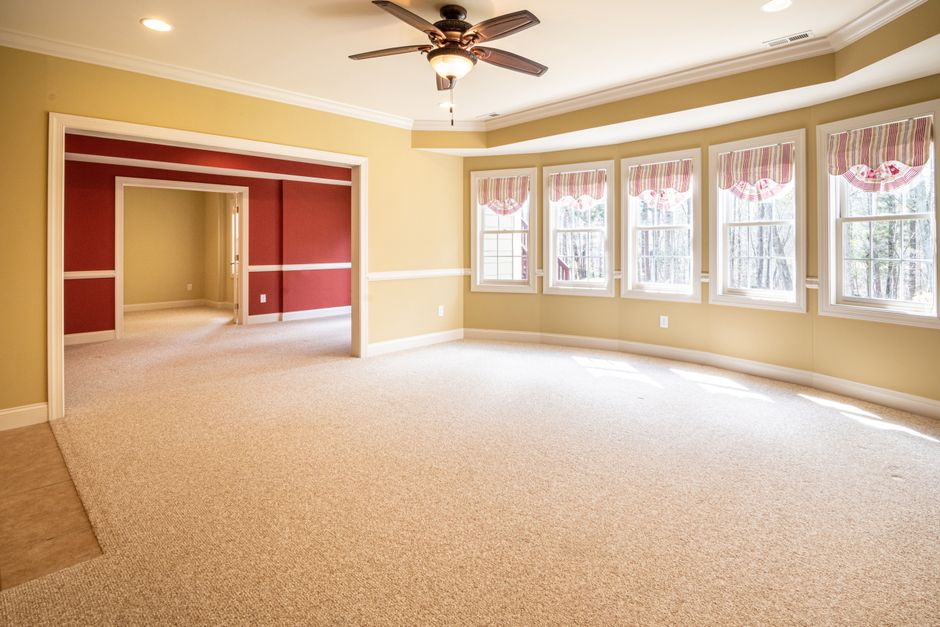
How to Measure a Room for Carpet
Measuring a room for carpet might seem straightforward, but getting it right is crucial to avoid costly mistakes and ensure you order the correct amount of material. Whether you’re planning to carpet a bedroom in your Goudhurst home or fitting out a commercial space in Tunbridge Wells, accurate measurements will save you time, money, and potential headaches. At The Fitted Carpet Company, we’ve helped countless homeowners and businesses across Kent and East Sussex with their carpet installations, and we’re here to guide you through the measuring process step by step.
INTRODUCING CARPETCUTPRO
Measure → Plan → Materials → Quote. CarpetCutPro helps flooring fitters and shops create cleaner cut plans, calculate materials and get quotes moving faster.
Why Accurate Measurements Matter
Before diving into the how-to, it’s worth understanding why precision matters. Ordering too little carpet means delays, additional delivery charges, and potential colour matching issues if you need to reorder from a different batch. Ordering too much means wasted money and excess material that may be difficult to return. Professional carpet fitters like our team always build in a small allowance for pattern matching and cutting, but this should be calculated systematically rather than guessed.
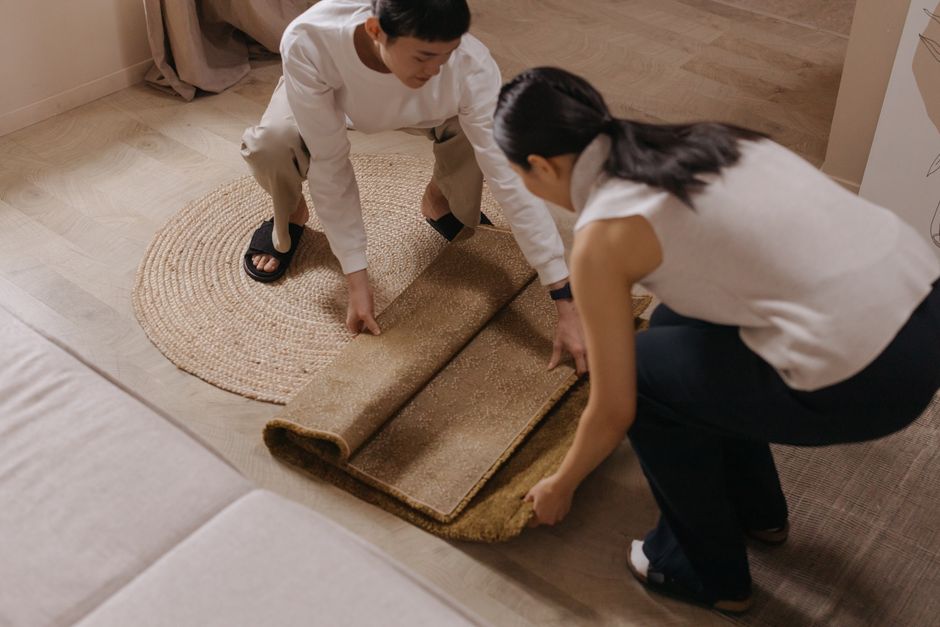
For homes throughout Robertsbridge, Wadhurst, and surrounding areas, we regularly encounter rooms with alcoves, bay windows, chimney breasts, and other architectural features that make measuring more complex. These characteristics add charm to period properties but require careful consideration when calculating carpet requirements.
Essential Tools and Preparation
Before you begin measuring, gather the following tools:

- A steel tape measure: at least 5 metres long for accuracy and rigidity
- Paper and pencil: for sketching the room layout and recording measurements
- Calculator: for converting measurements and calculating area
- Spirit level or straight edge: useful for checking wall alignment
- Someone to help: a second person makes measuring much easier and more accurate
Clear the room as much as possible, removing furniture and rugs so you can measure wall to wall without obstructions. If complete clearance isn’t possible, at least ensure you have access to all corners and edges of the room.
Step-by-Step Measuring Guide
Start by sketching a simple floor plan of your room on paper. This doesn’t need to be to scale, but it should show the basic shape and any permanent fixtures like fitted wardrobes, bay windows, or alcoves. Label each wall (Wall A, Wall B, etc.) to keep track of your measurements.

Measuring Rectangular Rooms
For a basic rectangular room, measure the length and width at their longest points. Always measure in metres and centimetres for carpet calculations, as this is the industry standard.
Measure the length of the room at three points: near one wall, through the centre, and near the opposite wall. Walls are rarely perfectly straight, so use the longest measurement to ensure adequate coverage. Repeat this process for the width.
Record these measurements on your sketch. For example, if your room measures 4.82 metres long and 3.67 metres wide, write these clearly beside the relevant walls.
Dealing with Irregular Shapes
Many homes across Benenden, Sissinghurst, and Cranbrook feature rooms with alcoves, chimney breasts, or L-shaped layouts. For these spaces, break the room down into manageable rectangles or squares on your sketch.
Measure each section separately, treating alcoves as additional rectangles extending from the main room. For a bay window area, measure the depth of the bay and its width at the widest point. Note these as separate measurements on your plan.
For L-shaped rooms, divide the space into two rectangles where they naturally join. Measure each rectangle independently, noting where they connect.
Measuring Doorways and Fixed Features
Carpet typically runs under doors and into doorframes, so measure to the edge of the door frame rather than leaving the doorway out of your calculations. This ensures a professional finish without visible gaps.
For built-in wardrobes or other fixed furniture, measure up to the unit unless you’re planning to remove it. Make a note on your sketch of any features where carpet shouldn’t extend.
Calculating Carpet Requirements
Once you have your measurements, you’ll need to calculate the total area and consider carpet roll widths. Standard carpet rolls typically come in widths of 4 metres or 5 metres, though some styles are available in 3.66 metres or other sizes.
For a simple rectangular room, multiply length by width to get the area in square metres. However, because carpet comes in rolls, you often can’t simply order the exact area. The roll width determines how the carpet will be laid and whether joins will be necessary.
If your room is 4.82 metres long and 3.67 metres wide, and you’re using a 4-metre wide carpet roll, the carpet would be laid with the 4-metre width running across the 3.67-metre dimension. You’d need a piece 4 metres wide by 4.82 metres long, giving you a slight excess on one dimension.
For rooms wider than the roll width, you’ll need seams. Professional fitters position these in low-traffic areas and away from natural sight lines. This planning is where professional expertise becomes invaluable.
Adding Wastage Allowance
Always add extra for cutting and fitting. A standard allowance is 10 centimetres on length and width for straight cuts, but patterned carpets requiring pattern matching may need considerably more—sometimes 30 to 50 centimetres depending on the pattern repeat.
For stairs, measure the width of the staircase, the depth of each tread (the flat part you step on), and the height of each riser (the vertical part). Count the number of steps, then multiply tread plus riser by the number of steps, adding extra for landing areas. If you’re wondering how to choose carpet for stairs, we have a helpful guide on that too.
Special Considerations for Different Carpet Types
The type of carpet you choose affects how much material you’ll need. Patterned carpets must be aligned so the pattern flows correctly throughout the room, which can significantly increase wastage. Large pattern repeats may mean purchasing extra length to ensure patterns match at seams.
Loop pile carpets have a direction to the pile, and professional fitters ensure this runs consistently throughout the installation. This may influence how the carpet is cut from the roll.
For commercial installations—something we handle regularly for businesses throughout Maidstone and Royal Tunbridge Wells—carpet tiles offer an alternative that simplifies measuring. These typically come in 50cm x 50cm squares, making area calculation more straightforward, though you should still add 10% for cutting and future replacements. For larger business needs, check out our commercial carpet suppliers Kent information.
When to Call in Professional Help
While measuring your own rooms is entirely possible, there are situations where professional measuring services provide peace of mind. Complex room shapes, expensive carpet choices, or large-scale projects benefit from expert assessment.
At The Fitted Carpet Company, we offer free measuring and quotation services throughout Kent and East Sussex. Our experienced team can assess your space, advise on the most economical way to lay carpet to minimise wastage, and identify any subfloor issues that might need addressing before installation.
Professional measurers also understand how different carpet backings and qualities affect installation requirements. Some carpets need specific underlay types or floor preparation, factors that aren’t obvious when you’re simply measuring room dimensions. If you’re looking for carpet fitting cost East Sussex, our team can provide a detailed quote.
For properties with uneven floors, sloping ceilings, or period features—common in historic villages like Cranbrook, Tenterden, and Battle—professional assessment ensures these quirks are accommodated in the final carpet order, and can be handled by our local carpet fitters near me East Sussex.
Conclusion
Measuring a room for carpet requires patience, attention to detail, and systematic recording of dimensions. By following these steps—gathering the right tools, carefully measuring length and width at multiple points, sketching your room layout, and calculating requirements based on carpet roll widths—you’ll be well-prepared to order the correct amount of carpet for your project.
Remember to account for pattern matching, add appropriate wastage allowances, and consider how doorways and fixed features affect your measurements. For straightforward rectangular rooms, DIY measuring works perfectly well, but don’t hesitate to request professional measuring services for complex spaces or high-value installations.
Whether you’re carpeting a cosy cottage in Hawkhurst or a modern home in Paddock Wood, accurate measurements are the foundation of a successful carpet installation. At The Fitted Carpet Company, we’re always happy to verify measurements, offer advice, or provide complete measuring services to ensure your carpet project runs smoothly from start to finish. Quality carpets deserve quality installation, and that begins with getting the measurements exactly right.