Home » stair carpet

Tag: stair carpet

article ddfc2ae3 c04c 4812 b28a 0b87fee0dd8c featured

Carpet for High Traffic Areas: the Complete Guide to Durability and Style

Carpet for High Traffic Areas: the Complete Guide to Durability and Style

Choosing the right carpet for high traffic areas requires careful consideration of both durability and aesthetics. Whether you’re furnishing a busy family hallway in Benenden, a commercial reception area in Tunbridge Wells, or a bustling staircase in Robertsbridge, selecting carpeting that withstands constant footfall while maintaining its appearance is essential. At The Fitted Carpet Company, we’ve spent years helping homeowners and businesses across Kent and East Sussex find the perfect balance between practicality and beauty.

High traffic zones in your home or business premises face unique challenges. Hallways, staircases, living rooms, and commercial entrances endure thousands of footsteps daily, along with dirt, moisture, and general wear. The wrong carpet choice can result in premature wear, unsightly matting, and the need for costly early replacement. This comprehensive guide explores everything you need to know about selecting, installing, and maintaining carpets designed to withstand the test of time in your busiest spaces.

Understanding High Traffic Carpet Requirements

High traffic carpets must meet specific performance standards that differ significantly from those in bedrooms or occasional-use rooms. The primary concern is durability, which encompasses several factors including fiber resilience, twist construction, and density. A carpet’s ability to resist crushing and matting determines how well it maintains its appearance over years of constant use.

carpet for high traffic areas

Density refers to how tightly packed the carpet fibers are. Higher density carpets provide better resistance to crushing and create a more durable surface. When examining carpet samples, you can assess density by pressing your thumb into the pile and observing how easily you can feel the backing. If you can easily reach the backing, the carpet lacks sufficient density for heavy-use areas.

The twist count of carpet fibers also plays a crucial role in durability. This measurement indicates how many times the fibers are twisted per inch. Higher twist counts, typically ranging from five to seven twists per inch for high traffic applications, create more resilient fibers that spring back after compression. This characteristic helps maintain the carpet’s appearance even in areas receiving constant footfall.

Best Carpet Fiber Types for Busy Areas

Not all carpet fibers perform equally under heavy use. Understanding the characteristics of different materials helps you make an informed decision for your specific needs.
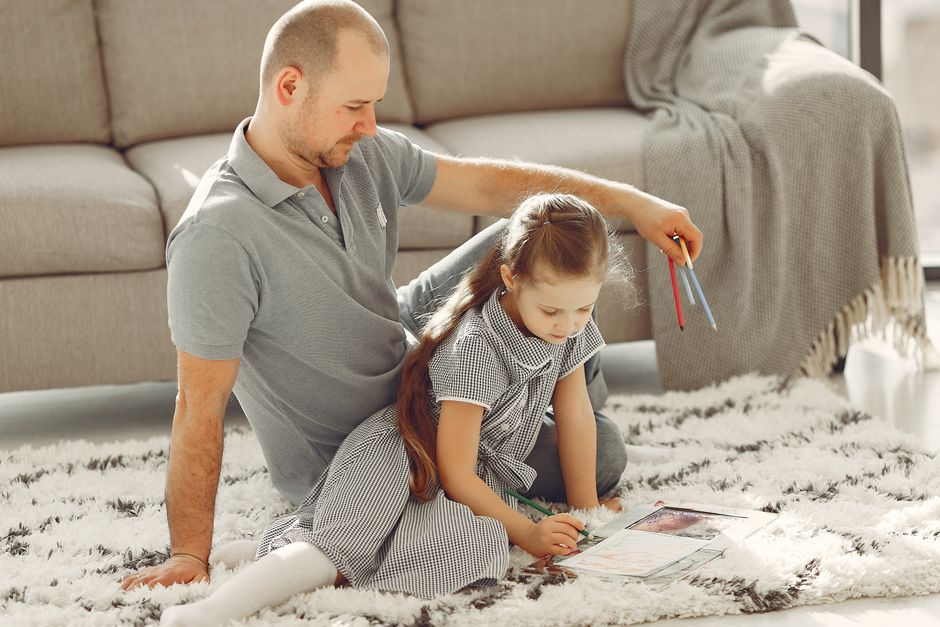
carpet for high traffic areas

Nylon stands as the gold standard for high traffic carpeting. Its exceptional resilience, stain resistance, and durability make it ideal for both residential and commercial applications. Nylon fibers bounce back after compression better than any other material, maintaining their appearance for years. Modern nylon carpets also feature advanced stain treatments that repel spills and resist soiling, particularly important in homes with children or pets.

Wool offers natural durability combined with luxurious comfort. While more expensive than synthetic options, wool provides excellent resilience and naturally resists soiling. The fiber’s structure allows it to hide dirt effectively while remaining relatively easy to clean. Many of our clients across Goudhurst and Lamberhurst appreciate wool’s premium feel in their entrance halls and main corridors, where making a lasting impression matters.

Polypropylene, also known as olefin, provides a budget-friendly option with good stain resistance. While not as resilient as nylon, polypropylene works well in areas where stain resistance is a priority over ultimate durability. This fiber resists moisture absorption, making it suitable for areas near external doors where rain and mud are concerns.

Polyester carpets have improved significantly in recent years, with newer varieties offering enhanced durability. While traditionally considered less suitable for heavy traffic, modern polyester carpets with high twist and density can perform adequately in moderately busy areas, offering good value and excellent color retention.

Carpet Construction Styles for Maximum Durability

The construction method significantly impacts a carpet’s suitability for high traffic areas. Different styles offer varying levels of durability and maintenance requirements.
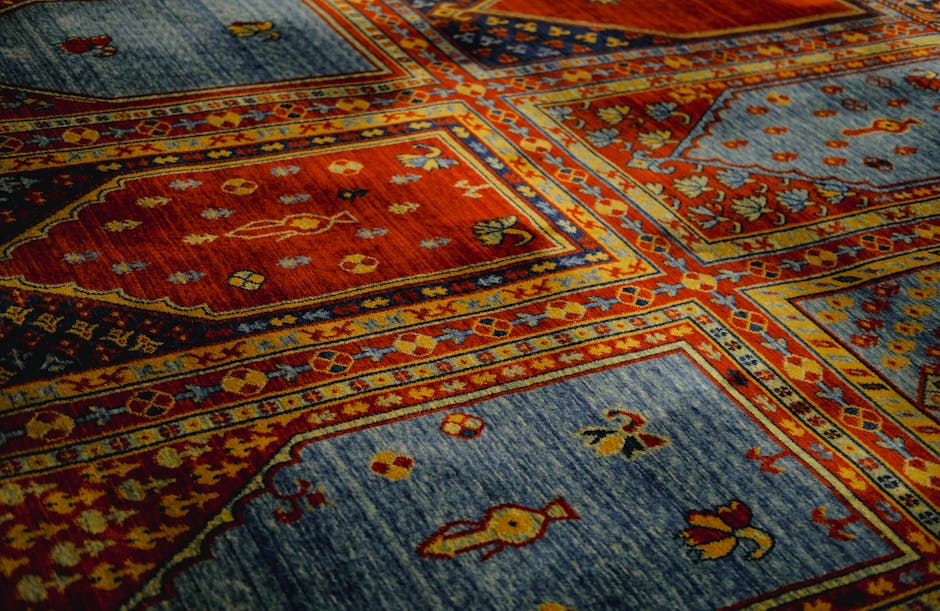
carpet for high traffic areas

Loop pile carpets, including berber styles, excel in high traffic situations. The continuous loops of yarn create an exceptionally durable surface that resists crushing. Level loop constructions distribute wear evenly across the entire carpet, preventing the formation of traffic patterns. These carpets work particularly well in commercial settings and busy residential hallways throughout Cranbrook and Hawkhurst.

Cut pile carpets with high twist, often called textured or frieze carpets, also perform admirably under heavy use. The tightly twisted fibers stand upright and resist matting while providing a softer feel underfoot than loop styles. This construction hides footprints and vacuum marks effectively, maintaining a consistently attractive appearance.

Cut and loop combinations offer visual interest through pattern variation while maintaining durability. These carpets work well in semi-formal areas where you want style alongside practicality. However, ensure the construction density remains high enough for your specific traffic levels.

Avoid long, loose pile carpets, shag styles, and plush velvets in high traffic zones. While luxurious, these constructions crush easily and show every footprint, requiring constant maintenance to look their best. Reserve these styles for bedrooms and low-traffic entertaining spaces.

Color and Pattern Considerations

Strategic color and pattern selection can significantly reduce the visible impact of wear and soiling in busy areas. While personal preference always plays a role, certain choices prove more practical for high traffic zones.

Multi-tonal colors hide dirt and wear patterns far more effectively than solid, uniform shades. Carpets with subtle color variation, such as tweeds or heathered effects, camouflage the inevitable soiling that occurs in entrance areas and hallways. Medium tones typically outperform both very light and very dark colors in concealing dirt.

Patterns naturally disguise traffic patterns and minor staining. Geometric designs, subtle stripes, or organic patterns draw the eye while hiding imperfections. Many commercial properties across Tenterden and Rye choose patterned carpets specifically for this practical advantage.

Surprisingly, darker colors often show dust, pet hair, and lint more visibly than medium tones, despite their intuitive appeal for hiding dirt. Very light colors obviously show staining quickly. The sweet spot typically falls in the medium range—think taupes, greys, multi-tonal browns, and muted greens or blues.

Proper Installation and Underlay Selection

Even the highest quality carpet will underperform without proper installation and appropriate underlay. Professional fitting ensures your investment delivers maximum lifespan and performance.

Quality underlay provides essential cushioning, thermal insulation, and noise reduction while extending carpet life significantly. For high traffic areas, choose underlay specifically rated for heavy use, typically with a density of at least 125 kg/m³. The underlay absorbs impact and reduces wear on the carpet backing, preventing premature failure.

Professional installation eliminates common problems like poor seaming, inadequate stretching, and improper joins. A properly stretched carpet resists wrinkling and wear patterns, maintaining its appearance longer. At The Fitted Carpet Company, our expert installers ensure your carpet is fitted to exacting standards, whether you’re in Sissinghurst, Wadhurst, or anywhere across our service area.

Power stretching, rather than knee kicking, provides the tight installation necessary for longevity in high traffic areas. This professional technique eliminates ripples and ensures the carpet remains taut over years of use.

Maintenance and Care for Longevity

Proper maintenance significantly extends the life of high traffic carpeting. Establishing a regular cleaning routine prevents premature wear and keeps your carpet looking fresh.

Vacuum frequently—at least twice weekly in high traffic areas, and daily in commercial settings. Use a vacuum with strong suction and a beater bar to lift embedded dirt before it cuts carpet fibers. Regular vacuuming removes abrasive particles that cause premature wear.

Address spills immediately to prevent staining. Blot liquids with clean, white cloths, working from the outside of the spill inward to prevent spreading. Avoid rubbing, which can damage fibers and spread the stain deeper into the pile.

Schedule professional carpet cleaning annually, or semi-annually for extremely busy areas. Professional equipment extracts embedded dirt that household vacuums cannot reach, refreshing the carpet’s appearance and extending its lifespan. Many of our Kent clients pair this with their spring-cleaning routines.

Consider walk-off mats at exterior entrances to reduce the amount of dirt tracked onto your carpet. Studies suggest that approximately 80% of soil in buildings comes from outdoors on people’s shoes. Quality entrance matting can capture much of this before it reaches your carpet.

Commercial vs. Residential High Traffic Needs

While both commercial and residential high traffic areas require durable carpeting, the specific demands differ significantly.

Commercial carpets typically feature lower pile heights, extremely high density, and often incorporate solution-dyed fibers for superior colorfastness. They’re engineered to withstand thousands of daily footfalls while meeting fire safety regulations. Businesses across Battle, Rye, and surrounding areas often require carpets that maintain professional appearance despite constant use.

Residential high traffic carpets can balance durability with greater comfort underfoot. While your hallway endures significant use, it doesn’t face the same intensity as a hotel corridor or office reception. This allows for slightly softer textures while maintaining adequate durability through proper fiber selection and construction.

Understanding your specific traffic patterns helps determine the appropriate specification. A family hallway in Biddenden experiences different demands than a rental property entrance in Sedlescombe, and recommendations should reflect these variations.

Conclusion

Selecting carpet for high traffic areas requires balancing durability, aesthetics, and budget. By choosing appropriate fiber types like nylon or wool, opting for dense, well-constructed carpets with high twist counts, and ensuring professional installation with quality underlay, you can enjoy beautiful, long-lasting flooring in your busiest spaces. Strategic color and pattern selection further enhances practicality, while proper maintenance protects your investment for years to come.

At The Fitted Carpet Company, we’ve helped countless homeowners and businesses across Kent and East Sussex find the perfect carpeting solutions for their high traffic areas. Our expertise in fiber selection, construction quality, and professional installation ensures you receive carpets that combine durability with the style that turns houses into homes. Whether you’re furnishing a busy family corridor in Headcorn, a commercial space in Cranbrook, or any area between, our team provides expert guidance tailored to your specific needs and budget.

The right carpet can withstand years of heavy use while maintaining its beauty and comfort. With careful selection and proper care, your high traffic carpets will continue to enhance your space long into the future.

Related guides

Ready to get started? Contact our Hawkhurst showroom for a free measure and quote.
article 4ee28275 4da6 436e 82de ba8fe24690e5 featured

How to Choose Carpet for Stairs

How to Choose Carpet for Stairs

Choosing the right carpet for your stairs is one of the most important decisions you’ll make when carpeting your home. Stairs endure significant wear and tear, require specific safety considerations, and serve as a visual centrepiece connecting different levels of your property. Whether you’re renovating a period property in Benenden or updating a modern home in Tunbridge Wells, understanding the unique demands of stair carpeting will help you make an informed choice that balances durability, safety, and aesthetic appeal.

Understanding the Unique Demands of Stair Carpets

Stairs present challenges unlike any other area in your home. Every step you take concentrates pressure on the edge of each tread, creating wear patterns that can quickly deteriorate unsuitable carpets. The combination of horizontal treads and vertical risers means your carpet must be flexible enough to conform to these angles while remaining securely fitted to prevent dangerous slipping or tripping hazards.

how to choose carpet for stairs

In homes across Kent and East Sussex, where many properties feature traditional staircases with intricate woodwork or modern open-plan designs, the carpet you choose becomes both a functional necessity and a design statement. The right choice can enhance architectural features, reduce noise transmission between floors, and provide cushioning that makes navigating stairs safer and more comfortable for all family members.

Consider that your stair carpet will likely receive more foot traffic than any other carpeted area in your home. Every journey between floors, multiple times daily for years, means these surfaces need exceptional resilience. Unlike living room carpets where weight distributes evenly, stair treads experience concentrated impact at their edges, demanding materials specifically engineered for this purpose.

Selecting the Right Carpet Material and Construction

The material composition of your stair carpet directly impacts its longevity and performance. Wool remains the premium choice for stairs, offering natural resilience, excellent dirt resistance, and the ability to recover from compression. An 80/20 wool-nylon blend combines wool’s luxurious feel with nylon’s exceptional durability, creating an ideal solution for high-traffic stair applications.

how to choose carpet for stairs

For households with active families or pets, 100% nylon carpets provide outstanding wear resistance and stain protection. Modern nylon fibres have evolved considerably, offering softness that rivals natural materials while maintaining superior strength. Polypropylene represents a budget-friendly alternative, though it may not provide the same longevity as wool or nylon for heavily-used staircases.

Carpet construction matters tremendously for stairs. Twist pile carpets, where fibres are tightly twisted together, excel at hiding footprints and maintaining their appearance under constant use. Loop pile constructions offer excellent durability but can snag on shoes or pet claws. Cut and loop combinations provide textural interest while delivering good performance, though plain twist piles generally prove most practical for stairs.

Pay close attention to pile density and weight. A dense, tightly-packed pile will resist crushing and wear far better than a looser construction. For stairs, look for carpets with a pile weight of at least 40 ounces per square yard and a density rating above 3,000. These specifications ensure your carpet maintains its appearance and structural integrity despite the concentrated traffic patterns unique to staircases.

Safety Considerations for Stair Carpets

Safety must be your primary concern when selecting stair carpet. According to health authorities, falls on stairs represent a significant cause of home injuries, making proper carpet selection and installation critical for household safety. The right carpet provides traction underfoot, reducing slip risks while cushioning any potential falls.

how to choose carpet for stairs

Choose carpets with a low to medium pile height for stairs. While plush, deep-pile carpets feel luxurious underfoot in bedrooms, they create instability on stairs where secure footing is essential. A pile height between 8mm and 12mm offers the optimal balance between comfort and safety, providing cushioning without compromising stability.

Colour and pattern play unexpected safety roles. Very dark or very light solid colours can make it difficult to distinguish individual stair edges, increasing trip risks, particularly for elderly residents or those with visual impairments. Patterns, subtle variations, or mid-tone colours help define each step clearly, improving depth perception as you navigate the staircase.

The carpet underlay beneath your stair carpet deserves careful consideration. Stair-specific underlays typically have higher density than those used on flat floors, providing stability while offering cushioning. Never use thick, soft underlays on stairs, as they can create a spongy surface that compromises footing and makes the carpet more likely to shift or wrinkle.

Colour, Pattern, and Style Selection

Your stair carpet significantly influences your home’s overall aesthetic, serving as a vertical design element visible from multiple vantage points. In properties throughout Cranbrook, Hawkhurst, and surrounding areas, stair carpets often bridge different flooring types between levels, requiring thoughtful coordination with adjacent spaces.

Neutral tones offer timeless versatility, complementing various décor styles while minimising the visual impact of inevitable wear and soiling. Greys, beiges, and taupes remain perennially popular, providing sophisticated backgrounds that won’t overwhelm period features or compete with statement décor elements. These shades work particularly well in homes with abundant natural light, common in rural Kent and Sussex properties.

Patterned carpets excel at concealing wear patterns and soiling, making them exceptionally practical for busy households. Subtle flecks, heathers, or small-scale geometric designs disguise traffic marks whilst adding visual interest. Striped patterns, particularly those running perpendicular to stair treads, can create striking contemporary looks, though they require precise installation to maintain pattern alignment.

Consider how your stair carpet relates to adjacent floor coverings. If your hallway features carpet, a complementary rather than identical choice for stairs can create sophisticated definition between spaces. When stairs connect carpeted upper floors with hard flooring below, selecting a stair carpet that bridges these materials through colour coordination creates cohesive visual flow throughout your home.

Practical Considerations for Installation and Maintenance

Professional installation is essential for stair carpets. Unlike flat floor areas where minor fitting imperfections may go unnoticed, stairs require precise measurement, cutting, and securing to ensure safety and longevity. Poorly fitted stair carpet can create dangerous trip hazards, void warranties, and fail prematurely due to inadequate tension or incorrect underlay.

Stair width influences both carpet requirements and installation approaches. Standard straight staircases present the most straightforward installation, whilst winding stairs, landings, and curved designs require additional expertise and material to accommodate complex angles. Measuring for stair carpet involves calculating both tread and riser dimensions, allowing for wastage where pattern matching or pile direction requires specific orientation.

Maintenance accessibility deserves consideration. Stairs that connect heavily-used areas benefit from carpets with superior stain resistance and cleaning tolerance. Many modern carpets feature stain-protection treatments that repel spills and simplify spot cleaning. However, these treatments vary in effectiveness and longevity, with solution-dyed fibres offering more permanent protection than topical applications.

Budget for long-term maintenance when selecting your stair carpet. While premium materials command higher initial costs, their extended lifespan and superior appearance retention often prove more economical over time than replacing budget options more frequently. Regular vacuuming, prompt stain treatment, and periodic professional cleaning will maximise your investment regardless of the carpet grade you choose.

Making Your Final Decision

Bringing together all these considerations requires balancing competing priorities. Begin by establishing your non- negotiables: budget limits, essential safety features, and any specific aesthetic requirements. From there, prioritise durability and material quality, recognising that stairs represent a long-term investment where quality genuinely matters.

Request samples and view them in your actual staircase environment. Carpet appearance varies dramatically depending on lighting conditions, adjacent colours, and viewing angles. What looks perfect in a showroom may appear entirely different in your home’s specific context. Observe samples at different times of day to understand how natural and artificial light affects colour and texture perception.

Don’t hesitate to seek professional guidance. Experienced carpet specialists understand the specific demands of different stair configurations and can recommend solutions tailored to your household’s unique requirements. They can identify potential challenges in your particular staircase and suggest appropriate solutions before installation begins.

Consider your household’s evolution. Young families might prioritise stain resistance and budget-consciousness, knowing carpets may need updating as children grow. Empty-nesters might invest in premium materials for lasting elegance. Pet owners require snag-resistant constructions and superior stain protection. Aligning your carpet choice with your lifestyle ensures satisfaction throughout its lifespan.

Conclusion

Choosing carpet for stairs demands more attention than selecting floor coverings for any other area of your home. The unique combination of safety requirements, intense wear patterns, and prominent visual impact means your decision influences both your home’s functionality and aesthetic appeal. By prioritising appropriate materials, focusing on safety features, and selecting colours and patterns that suit your lifestyle whilst concealing wear, you’ll find a stair carpet that performs beautifully for years to come.

Whether you’re carpeting a historic property in Sissinghurst or a contemporary home in Royal Tunbridge Wells, the principles remain consistent: quality materials, expert installation, and thoughtful selection based on your specific circumstances create results that enhance your daily life. At The Fitted Carpet Company, we help homeowners throughout Kent and East Sussex navigate these decisions, ensuring their stair carpets deliver safety, durability, and style that truly turns houses into homes. For those considering the financial aspects, a complete guide to carpet fitting cost in East Sussex can provide valuable insights, and you might even find options for cheap carpet installation in East Sussex without compromising on quality.

Related guides

Ready to get started? Contact our Hawkhurst showroom for a free measure and quote.
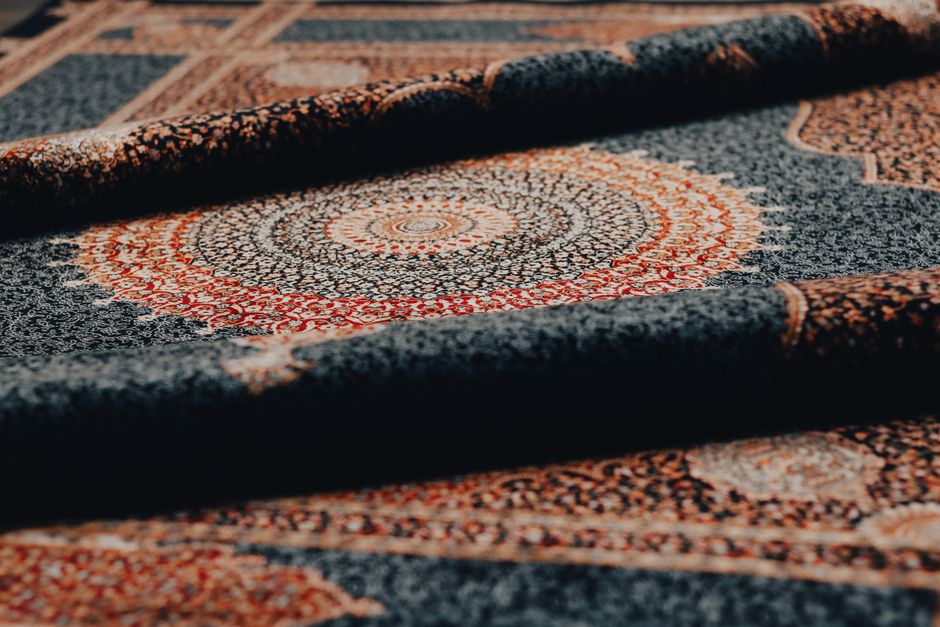
fitting stair carpet

Fitting Stair Carpet: Expert Advice for a Flawless Finish

Fitting stair carpet is a detailed job. It is not like carpeting a flat room. Stairs present unique challenges: they bend, they turn, and each step needs careful attention. A poorly fitted stair carpet can look messy, wear out quickly, and even become a safety risk. This is why getting it right matters for a flawless and lasting finish.

This article shares advice on fitting stair carpet. It explains why professional installation helps your stairs look good and stay safe for years.

fitting stair carpet

Why Stair Carpet Fitting Needs Skill

Stair carpet fitting demands more than just basic carpet laying skills. It requires a specific set of abilities.

  • Complex Measurements: Stairs are rarely simple straight lines. They involve precise angles for risers (the vertical part of a step) and treads (the horizontal part you step on). Winding stairs, often called spiral or curved stairs, are even more complex. A professional fitter takes exact measurements for each step. This ensures that patterns line up correctly across steps and turns. It also helps to use the carpet material efficiently, keeping waste to a minimum. This careful measuring avoids common problems like short cuts or badly placed joins.
  • Safety Comes First: A loose carpet on stairs is a real danger. It can cause someone to trip or fall. Professional fitters use the correct methods and tools to secure the carpet firmly to every part of the step. This stops it from slipping, bulging, or wrinkling. A securely fitted carpet stays put under regular use, greatly reducing the risk of accidents. They understand how to attach the carpet to ensure its stability.
  • Durability and Wear: Stairs get a lot of daily foot traffic. If the carpet is not fitted correctly, it will wear out much faster in certain spots. For example, edges might fray or the pile might flatten in the middle of a step. Expert fitting ensures the carpet is stretched evenly and secured properly across the whole surface of each step. This spreads the wear more evenly. An even fit makes your carpet last much longer, keeping its good looks.

Key Steps in Professional Stair Carpet Fitting

Achieving a perfect finish for stair carpet involves several important stages. Each stage requires specific skills and attention to detail from the fitter.

  • Preparing the Stairs: Before any new carpet goes down, the stairs must be prepared. This means removing all old carpet, underlay, and any old staples, tacks, or nails. The stairs are then cleaned thoroughly. Any loose wooden boards are fixed, and squeaks are dealt with. A smooth, clean, and stable base is vital for the new carpet to lie correctly. This careful preparation stops bumps, lumps, or unevenness from showing through the new carpet. It also ensures proper adhesion and a better final look.
  • Choosing and Fitting New Underlay: A new, good quality underlay is always needed for stair carpet. It is crucial. Underlay provides cushioning, helps with sound insulation, and, importantly, protects the carpet from wear. Fitters cut and secure the underlay precisely to each step. They ensure it supports the carpet evenly. This gives a comfortable feel underfoot and helps the carpet last longer by absorbing impact. It also reduces noise from footsteps moving up and down the staircase. Choosing the correct type of underlay for your specific carpet and usage is also part of their expertise.
  • Cutting and Shaping the Carpet: This is where the fitter’s skill truly stands out. The carpet must be cut with great precision to fit each individual step. For plain carpets, this involves careful measuring and cutting to match each riser and tread. For patterned stair carpet, the job is much harder. The fitter must ensure the pattern flows continuously from one step to the next. This means lining up patterns exactly, even on winding stairs. This requires careful calculation and cutting. It is a real craft to make the design look seamless as the staircase turns corners or goes up spirals. Any misalignments would be very noticeable.
  • Securing the Carpet: Once cut and shaped, the carpet is fixed firmly to the stairs. This involves using specialist tools. Tools like knee kickers and power stretchers help to pull the carpet tight. This ensures there are no loose areas or wrinkles. The carpet is then secured along the edges of each step, often using gripper rods. These rods have small sharp pins that hold the carpet firmly in place. Proper tension is key. If the carpet is too loose, it will wrinkle; if it is too tight, it might strain the carpet fibres. The fitter balances this for a smooth, secure fit.
  • Finishing Touches: The final stage involves neatening all edges and fitting any stair rods or trims. Edges are tucked neatly, and any excess carpet is trimmed away. Stair rods, if used, are installed precisely at the base of each step to enhance the look of runners. Door bars are fitted where the stair carpet meets other flooring types (like wood or tiles). These create a smooth and tidy transition. These small details ensure the whole job looks professional and complete, giving the staircase a finished appearance.

Why Choose Professionals for Stair Carpet Fitting

Attempting to fit stair carpet yourself or hiring an inexperienced fitter can lead to many problems. Understanding these issues highlights the value of professionals.

  • Safety Risks: An improperly fitted carpet is a serious tripping hazard. Loose sections, ripples, or poorly secured edges are dangerous. Professionals ensure every part of the carpet is securely fastened. This removes these risks. They follow strict safety guidelines during installation.
  • Poor Appearance: Crooked lines, misaligned patterns, or visible seams can spoil the look of even the most expensive carpet. An amateur job often stands out. Professional fitters have the skills to avoid these issues, ensuring your carpet looks exactly as it should: flat, neat, and continuous.
  • Reduced Lifespan: If the carpet is not stretched correctly, or if the underlay chosen is not right, the carpet will wear out much faster. It may develop bald spots, fray at the edges, or flatten prematurely. Professional fitting distributes wear evenly, making your carpet last longer.
  • Waste of Materials: Incorrect measurements or cuts can lead to significant waste of carpet material. This increases the overall cost of your project. Professionals are efficient, planning cuts carefully to minimise waste, which saves you money.
  • Time and Effort: Fitting stair carpet is very time-consuming and physically demanding. Without the right experience and tools, it can take days and lead to frustration. Hiring professionals saves you this time and effort. 

Stair Runners: A Specialist Skill

Many homes opt for stair runners. This means carpeting only the central part of the stairs, leaving the wood visible on either side. This style needs particular skills. The fitter must not only secure the runner perfectly but also ensure the exposed wood sides are clean and tidy. For winding stairs, getting the runner to curve smoothly while maintaining any pattern alignment is a complex task. It requires specialist techniques to cut and seam the runner so that lines follow on and join up seamlessly, even when the stairs are not straight. This level of precision is a mark of true expertise and delivers a stunning visual effect.

The Fitted Carpet Company: Your Stair Carpet Experts

At The Fitted Carpet Company, we understand the specific needs of stair carpeting. We offer a wide range of carpets ideal for stairs, including versatile and attractive runners. Our team can help you choose the correct type, colour, and style for your home. We will make sure it suits your everyday life and matches your existing décor.

Our fitters are experienced and highly skilled. They take pride in delivering a flawless finish for all stair carpet installations, from straightforward flights to complex winding staircases. We ensure your new carpet is fitted safely and precisely, meaning it will look superb and last for many years. We are committed to achieving a perfect result every time.

Conclusion

Carpet offers a valuable combination of safety, comfort, and style for your stairs. It is a practical and attractive choice that can enhance any home. Choosing the right stair carpet means considering durability, safety features, and how it fits with your home’s overall look. Professional fitting is key to securing these benefits.

Contact The Fitted Carpet Company to learn more. Our team is ready to provide advice and help you find the perfect stair carpet for your home.

Related guides

Ready to get started? Contact our Hawkhurst showroom for a free measure and quote.