How to Get tea stain out of carpet is one of those household questions that tends to arrive without an appointment. One minute the carpet is behaving itself, the next it is wearing a fresh mark, smell, dent, or mystery patch like an unwanted badge. The good news is that most carpet problems can be improved, and many can be solved completely, with a calm approach, the right tools, and a little patience.
Stains behave differently depending on what caused them, how long they have been there, and what type of carpet fibre you have. The trick is to slow the chaos. Blot instead of scrub, test before soaking, and deal with the stain in layers rather than trying to blast it away in one dramatic move. This guide explains the safest order of attack and the mistakes that usually make a bad mark settle in for the long haul.
Step-by-step method
Start by removing loose debris. Vacuum gently or lift solids with a spoon, blunt knife, or paper towel. Avoid pressing the mess deeper into the fibres.
Blot with white paper towels or a clean white cloth. Work from the outside of the mark toward the centre so the affected area does not spread.
Test any cleaning solution on a hidden corner first. Different carpets react differently, and a colour change is much harder to fix than the original stain.
Use small amounts of solution rather than flooding the carpet. Too much moisture can push residue into the backing or underlay and create a second problem.
Rinse lightly with clean water after treatment and blot again. Leaving product in the pile often attracts dirt and can make the patch look worse later.
Dry thoroughly with airflow. Open windows, use a fan, and avoid foot traffic until the carpet is fully dry.
Extra tips for this type of stain
Tannins can leave a shadow even after the spill looks gone, so follow up with a proper rinse and dry blotting cycle.
Mistakes to avoid
Scrubbing hard enough to roughen the pile or spread the stain outward.
Using strongly coloured cloths that can transfer dye into the carpet.
Mixing random cleaning products and hoping chemistry will be in a good mood.
Leaving the area damp for too long, especially if the underlay may have absorbed moisture.
When to call a professional
Bring in a professional if the carpet is expensive, the affected area is large, the stain or smell has soaked into the underlay, there is repeated pest activity, or DIY attempts have already changed the texture or colour. Professional cleaners, fitters, and pest specialists have access to stronger equipment, better diagnostics, and the kind of experience that saves a lot of second-guessing.
Frequently asked questions
How to Get tea stain out of carpet
Yes, in many cases it can be improved or solved completely, especially when you act quickly, use the correct method for the carpet type, and avoid over-wetting or over-scrubbing.
What should I test before treating the full area?
Test the cleaning product or method on a hidden section first. Check for colour loss, texture change, or damage to the backing.
How long should I wait before deciding whether it worked?
Wait until the carpet is fully dry. Many marks look lighter or darker while damp, and some residue only becomes obvious after drying.
Tools that usually help
For most carpet jobs, a small kit goes a long way: white microfibre cloths, paper towels, a spoon or blunt scraper, a vacuum with a clean head, lukewarm water, a plain spray bottle, and a carpet-safe detergent or specialist stain remover suited to the issue. A fan is useful for drying, and in odour cases an enzyme-based product can be more effective than a heavily perfumed cleaner because it targets the residue rather than trying to merely out-sing it.
How to protect the carpet afterwards
Once the area is clean and dry, avoid heavy traffic for a while and vacuum the surrounding space when everything has settled. Use entrance mats, rotate rugs, trim pet claws where appropriate, and deal with spills as soon as possible. Prevention is rarely glamorous, but it is the quiet hero in the cape. Good habits reduce repeat staining, odours, tracking, and wear, which means the carpet looks better and lasts longer.
How to Get tea stain out of carpet does not need panic, only a sensible plan. Start gently, work in stages, keep moisture under control, and dry the area properly before judging the result. If the issue is stubborn, widespread, or tied to the subfloor, underlay, or an active pest problem, professional help is often the fastest route to a genuinely clean and lasting finish.
A final practical tip: keep white cloths, paper towels, a blunt scraper, and a small spray bottle ready in a cupboard. Most carpet emergencies are easier to handle when you do not spend the first ten minutes rummaging for supplies while the stain settles in like an unwanted tenant.
The hallway is often the first interior space your guests see, yet it’s one of the most overlooked areas when it comes to home design. A well-chosen carpet runner can transform this transitional space into an elegant, welcoming feature while protecting your flooring and reducing noise. Whether you live in a period property in Goudhurst or a modern home in Staplehurst, the right hallway runner can tie your entire home together.
At The Fitted Carpet Company, we’ve helped homeowners across Kent and East Sussex create stunning hallway entrances that combine practicality with style. From the historic villages of Sissinghurst and Penshurst to the charming communities of Robertsbridge and Wadhurst, we understand how diverse architectural styles require different approaches to carpet selection and installation.
Choosing the Right Style for Your Hallway Runner
Your carpet runner should complement your home’s overall aesthetic while meeting the practical demands of a high-traffic area. Traditional homes in villages like Benenden and Lamberhurst often benefit from classic patterns such as Persian-inspired designs or Victorian-style florals. These timeless options add character without overwhelming the space.
For contemporary properties in areas like Headcorn or Marden, consider geometric patterns or bold stripes that create visual interest. Minimalist homeowners might prefer solid colours in neutral tones that provide a clean, streamlined look. The key is ensuring your runner coordinates with adjacent rooms while maintaining its own identity.
Don’t forget about texture. A loop pile carpet offers durability and a casual feel, while a plush cut pile provides luxury underfoot. Berber styles work beautifully in country homes throughout Ticehurst and Burwash, offering both durability and rustic charm. For period properties in Chiddingstone or Groombridge, a flatweave or low-pile runner can respect the historical character while providing modern functionality.
Pattern Considerations
Patterns serve both aesthetic and practical purposes. Busy patterns effectively hide dirt and wear, making them ideal for households with children or pets. If your hallway receives natural light from windows or glass doors, consider how the pattern will appear at different times of day. Striped runners can make narrow hallways appear wider, while lengthwise patterns can make shorter hallways seem longer. For more inspiration, explore our article on Patterned Carpet Design Ideas for Your Home.
Material Selection for Durability and Comfort
Hallways endure constant foot traffic, making material selection crucial for longevity. Wool remains the gold standard for hallway runners, offering natural resilience, soil resistance, and a luxurious feel. Many of our clients in Rolvenden, Biddenden, and Horsmonden choose wool blends that combine wool’s natural benefits with synthetic fibres for enhanced durability.
Nylon carpets provide excellent wear resistance and are particularly suitable for busy family homes throughout Northiam, Ewhurst Green, and Bodiam. They resist crushing and matting better than most other materials, maintaining their appearance even under heavy use. Polypropylene offers an affordable, stain-resistant option that works well in rental properties or homes where budget is a primary concern.
Natural fibres like sisal and seagrass create an organic, textured look popular in coastal areas near Beckley and Peasmarsh, though they can be scratchy underfoot and may not suit households with young children. For the best of both worlds, consider wool-nylon blends that deliver softness, durability, and value.
Understanding Pile Depth
Pile depth significantly affects both appearance and practicality. Low-pile runners, typically under 10mm, are easier to maintain and less likely to show footprints or vacuum tracks. Medium-pile options between 10-15mm offer comfort without sacrificing too much practicality. High-pile runners above 15mm feel wonderfully luxurious but require more maintenance and may not be suitable for all hallway widths.
Colour Choices That Work
Colour selection impacts both the perceived size of your hallway and maintenance requirements. Light colours such as cream, beige, and soft grey make narrow hallways feel more spacious and airy, reflecting available light throughout homes in Mayfield, Yalding, and Brenchley. However, they show dirt more readily and require more frequent cleaning. If you’re looking for guidance beyond hallways, our guide on Best Carpet Colours for Small Rooms offers valuable insights.
Darker tones like navy, charcoal, or deep burgundy hide soil effectively and create a sophisticated atmosphere, though they can make tight spaces feel smaller. Mid-tone options offer the best compromise, concealing everyday dirt while maintaining a sense of openness.
Consider your existing colour scheme. If your walls are neutral, your runner provides an opportunity to introduce colour. Conversely, if you have feature walls or bold artwork, a neutral runner prevents visual competition. Many period properties in Etchingham, Flimwell, and Sedlescombe feature traditional colour palettes of deep reds, greens, or golds that complement wooden features and antique furnishings.
Coordinating with Adjacent Spaces
Your hallway connects multiple rooms, so your runner should harmonise with visible flooring in adjacent spaces. If your living room features a patterned carpet, consider a coordinating solid colour for the hallway. Alternatively, use a complementary pattern that shares common colours but differs in scale or design.
Installation Methods and Border Treatments
Professional installation ensures your runner looks flawless and performs optimally. At The Fitted Carpet Company, we offer expert installation services across Matfield, Speldhurst, Woodchurch, Pluckley, and Smarden, ensuring precise fitting that accounts for doorways, stairs, and architectural features. Wondering about the timeline? You can find out How Long Does Carpet Installation Take? on our blog.
Border treatments significantly impact the final appearance. Traditional runners with bordered edges create a formal, finished look ideal for period properties. Carpet runners installed wall-to-wall maximise coverage and suit modern homes seeking a seamless appearance. For homes with beautiful wooden flooring you want to showcase, consider a narrower runner that allows the floor to frame the carpet.
Stair runners require particular expertise to ensure safety and longevity. Proper tensioning prevents wrinkles and trip hazards, while quality underlay provides cushioning and extends carpet life. We frequently install stair runners in villages like Appledore, Brede, and Smarden where multi-storey homes are common.
Underlay Importance
Quality underlay is as important as the carpet itself, providing cushioning, insulation, and noise reduction. It also extends your carpet’s lifespan by absorbing impact from foot traffic. For hallways, we recommend high-density underlays that resist compression. Rubber underlays offer excellent durability, while felt options provide superior comfort underfoot.
Maintaining Your Hallway Runner
Regular maintenance preserves your runner’s appearance and extends its life. Vacuum at least twice weekly, paying particular attention to high-traffic areas near doorways. Use your vacuum’s appropriate height setting to avoid damaging fibres while ensuring effective cleaning.
Address spills immediately by blotting rather than rubbing, working from the outside of the stain inward to prevent spreading. For stubborn stains, professional cleaning is advisable. We recommend annual professional cleaning for most hallway runners, though high-traffic homes may benefit from more frequent attention. For quick solutions, refer to our Carpet Cleaning Tips for Spills: Quick Action Guide.
Entrance mats reduce the amount of dirt tracked onto your runner. Place absorbent mats both outside and inside exterior doors to capture moisture and debris before they reach your carpet. This simple step significantly reduces wear and maintains appearance.
Rotate furniture occasionally if your hallway includes console tables or benches to prevent uneven wear patterns. Consider using carpet protectors under furniture legs to distribute weight and prevent indentations.
Budget Considerations and Value
Hallway runners represent an investment in your home’s appearance and functionality. While budget constraints are real, prioritising quality over initial cost often proves economical long-term. A well-made runner properly installed can last 15-20 years, while cheaper alternatives may require replacement within 5 years.
When working with homeowners throughout Brightling, Stonegate, and Wye, we emphasise value rather than simply low cost. Mid-range options typically offer the best balance of quality and affordability. Premium materials like pure wool command higher prices but deliver unmatched durability and natural beauty.
Factor installation costs into your budget from the outset. Professional fitting ensures your runner looks exceptional and performs optimally. Poor installation can ruin even the finest carpet, creating wrinkles, premature wear, and safety hazards.
Consider maintenance costs as well. Some materials require more frequent professional cleaning or specialised care products. Stain-resistant treatments, while adding upfront cost, can save money by reducing cleaning needs and extending carpet life.
Conclusion
Selecting the perfect hallway carpet runner involves balancing aesthetics, durability, and budget. By considering your home’s style, your household’s needs, and the specific characteristics of your hallway, you can choose a runner that enhances your home’s entrance while standing up to daily wear.
The Fitted Carpet Company brings decades of experience to homes across Kent and East Sussex, from Sandhurst to Frittenden and Bethersden to Hurst Green. We offer expert guidance on material selection, pattern coordination, and colour choices, combined with meticulous installation that ensures your runner looks stunning and lasts for years.
Whether you’re updating a period cottage in Mountfield or furnishing a new build in High Halden, the right hallway runner transforms your entrance from purely functional to genuinely welcoming. Quality carpets, expertly fitted, turn houses into homes.
How to Stop rugs moving on carpet is one of those household questions that tends to arrive without an appointment. One minute the carpet is behaving itself, the next it is wearing a fresh mark, smell, dent, or mystery patch like an unwanted badge. The good news is that most carpet problems can be improved, and many can be solved completely, with a calm approach, the right tools, and a little patience.
Rugs on carpet can be stylish, useful, and slightly rebellious. They can also bunch, slide, wrinkle, and create trip hazards if they are not paired with the right backing or gripper. This guide covers the simple fixes that keep rugs in place, protect the carpet underneath, and make the whole arrangement feel deliberate instead of improvised.
Step-by-step method
Identify the exact issue first instead of guessing. The right solution depends on the fibre, backing, and cause.
Work in a small test area before treating the whole spot or room.
Use the least aggressive method that is likely to work. Gentle treatment first, stronger methods only if needed.
Avoid over-wetting the carpet and avoid harsh scrubbing that can damage the pile.
Dry the area properly and inspect it again once fully dry, because some marks reappear as residue wicks up.
Call a professional if the issue has spread into the underlay, affected a large area, or involves expensive flooring.
Why the problem keeps coming back
Many carpet issues return because only the surface was treated. Residue in the pile, moisture in the backing, contamination in the underlay, or dust trapped at the edges can pull the same problem back into view. A complete fix usually means dealing with both what you can see and what the carpet has quietly tucked underneath.
Mistakes to avoid
Scrubbing hard enough to roughen the pile or spread the stain outward.
Using strongly coloured cloths that can transfer dye into the carpet.
Mixing random cleaning products and hoping chemistry will be in a good mood.
Leaving the area damp for too long, especially if the underlay may have absorbed moisture.
When to call a professional
Bring in a professional if the carpet is expensive, the affected area is large, the stain or smell has soaked into the underlay, there is repeated pest activity, or DIY attempts have already changed the texture or colour. Professional cleaners, fitters, and pest specialists have access to stronger equipment, better diagnostics, and the kind of experience that saves a lot of second-guessing.
Frequently asked questions
How to Stop rugs moving on carpet
Yes, in many cases it can be improved or solved completely, especially when you act quickly, use the correct method for the carpet type, and avoid over-wetting or over-scrubbing.
What should I test before treating the full area?
Test the cleaning product or method on a hidden section first. Check for colour loss, texture change, or damage to the backing.
How long should I wait before deciding whether it worked?
Wait until the carpet is fully dry. Many marks look lighter or darker while damp, and some residue only becomes obvious after drying.
Tools that usually help
For most carpet jobs, a small kit goes a long way: white microfibre cloths, paper towels, a spoon or blunt scraper, a vacuum with a clean head, lukewarm water, a plain spray bottle, and a carpet-safe detergent or specialist stain remover suited to the issue. A fan is useful for drying, and in odour cases an enzyme-based product can be more effective than a heavily perfumed cleaner because it targets the residue rather than trying to merely out-sing it.
How to protect the carpet afterwards
Once the area is clean and dry, avoid heavy traffic for a while and vacuum the surrounding space when everything has settled. Use entrance mats, rotate rugs, trim pet claws where appropriate, and deal with spills as soon as possible. Prevention is rarely glamorous, but it is the quiet hero in the cape. Good habits reduce repeat staining, odours, tracking, and wear, which means the carpet looks better and lasts longer.
Final thoughts
How to Stop rugs moving on carpet does not need panic, only a sensible plan. Start gently, work in stages, keep moisture under control, and dry the area properly before judging the result. If the issue is stubborn, widespread, or tied to the subfloor, underlay, or an active pest problem, professional help is often the fastest route to a genuinely clean and lasting finish.
A final practical tip: keep white cloths, paper towels, a blunt scraper, and a small spray bottle ready in a cupboard. Most carpet emergencies are easier to handle when you do not spend the first ten minutes rummaging for supplies while the stain settles in like an unwanted tenant.
When planning to upgrade your home with new carpets, one of the most common questions homeowners across Kent and East Sussex ask is: “How long will the installation take?” Whether you’re in Goudhurst, Wadhurst, or any of the surrounding villages, understanding the timeline helps you prepare your schedule and minimize disruption to daily life. At The Fitted Carpet Company, we’ve installed countless carpets throughout the region, and we know that timing matters.
The answer depends on several factors, including room size, furniture removal, subfloor preparation, and the type of carpet being fitted. In this comprehensive guide, we’ll break down exactly what to expect during your carpet installation project.
Average Installation Times for Different Room Types
For a standard residential room, professional carpet installation typically takes between two to four hours. However, this varies considerably based on the specific circumstances of your property. Here’s what you can generally expect:
Single bedroom: 2-3 hours including furniture moving and preparation
Living room: 3-4 hours depending on size and complexity
Staircase: 3-5 hours due to the intricate cutting and fitting required
Hallway: 1-2 hours for straight runs, longer for awkward shapes
Entire average home (3-bedroom): 1-2 days for complete installation
These timeframes assume a straightforward installation with minimal subfloor issues. Properties in areas like Robertsbridge, Ticehurst, and Benenden often have character features that require extra attention and time from experienced fitters.
Factors That Affect Installation Duration
Several variables can extend or reduce the time needed for your carpet fitting project. Understanding these helps set realistic expectations and ensures you’re adequately prepared.
Room Size and Layout
Larger rooms naturally require more time to carpet. A compact bedroom in a cottage in Sissinghurst will be completed much faster than a spacious open-plan living area in a modern home in Staplehurst. Irregular room shapes, bay windows, alcoves, and built-in features all add to installation time as they require precise measuring and careful cutting.
Furniture and Room Preparation
Moving furniture significantly impacts installation time. While most professional carpet fitters, including our team at The Fitted Carpet Company, will move standard furniture as part of the service, heavy items like pianos, solid wood wardrobes, or entertainment units take extra time and care. If you can clear the room beforehand, you’ll reduce installation time by 30-60 minutes per room.
Homeowners in villages throughout Kent and East Sussex, from Horsmonden to Peasmarsh, often ask whether they need to empty drawers and cupboards. The answer is yes—anything inside freestanding furniture should be removed for safety and ease of movement.
Subfloor Condition and Preparation
The condition of your existing floor plays a crucial role in installation timing. If the subfloor is level, clean, and in good condition, installation proceeds smoothly. However, older properties common in areas like Lamberhurst, Burwash, and Mayfield may require additional preparation work including:
Leveling uneven floorboards
Replacing damaged boards
Installing or replacing underlay
Removing stubborn old adhesive or carpet grippers
Treating moisture issues
Subfloor preparation can add anywhere from 30 minutes to several hours to your project timeline. Professional fitters assess these issues during the initial consultation to provide accurate time estimates.
Carpet Type and Complexity
The type of carpet you choose affects installation time. Standard broadloom carpet with a simple pattern is fastest to fit. Carpets with intricate patterns requiring careful alignment take longer because seams must match perfectly. Luxury wool carpets and carpet tiles each have their own fitting requirements and associated timeframes.
Stair carpets are particularly time-intensive due to the precision required for each individual step, especially when dealing with winding staircases common in period properties throughout East Sussex.
Commercial Carpet Installation Timeframes
For our commercial carpet clients in Kent and East Sussex, timing is often even more critical to minimize business disruption. Commercial installations typically take longer due to larger floor areas and specific requirements.
A small office space might be completed in 4-6 hours, while larger commercial premises could require several days. We often schedule commercial work during evenings or weekends to avoid disrupting business operations in towns like Headcorn, Marden, and Wye.
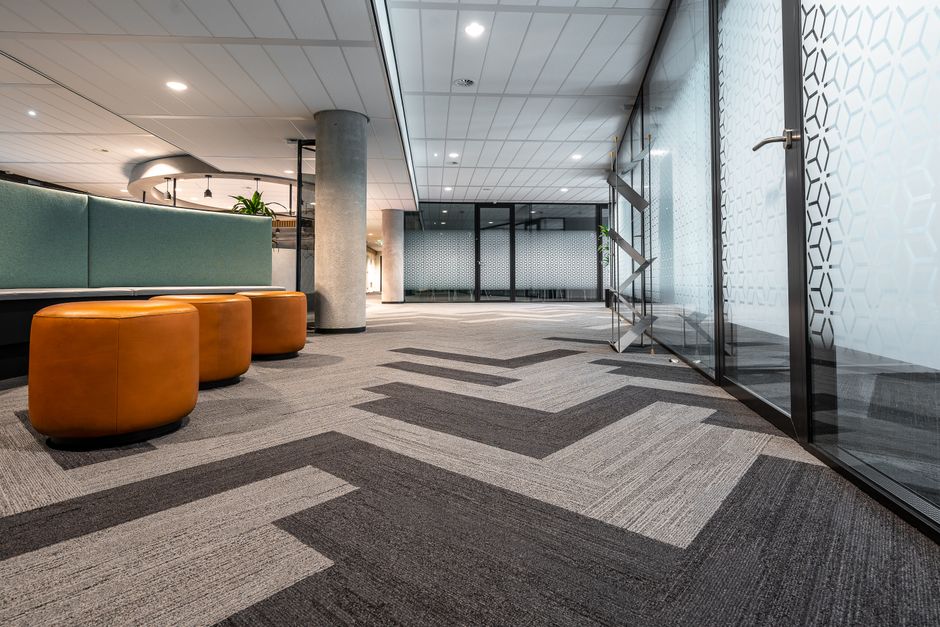
Commercial carpet tiles are increasingly popular because they can be installed in sections, allowing businesses to remain partially operational during fitting. They’re also easier to replace if specific areas become worn or damaged. For specialized environments, consider anti static carpet for office environments.
Multi-Room and Whole-House Installations
Installing carpet throughout an entire home is a significant project that requires careful planning. For a typical three-bedroom house in villages like Biddenden, Northiam, or Sedlescombe, expect the full installation to take between one and two days.
The timeline for whole-house installations breaks down approximately as follows:
Day One Morning: Remove old carpets, prepare subfloors, and begin fitting in bedrooms and upper floors
Day One Afternoon: Complete upstairs rooms and fit staircases
Day Two: Fit downstairs reception rooms, hallways, and complete finishing touches
Larger properties or those with extensive preparation needs may require three days or more. Period homes in areas like Penshurst, Groombridge, and Chiddingstone sometimes present unique challenges that extend timelines, but the result is always worth the wait.
Preparation Steps to Speed Up Installation
Homeowners can take several steps to ensure installation proceeds as quickly and smoothly as possible:
Clear the rooms: Remove small furniture, ornaments, and breakables before the fitters arrive
Protect your belongings: While fitters take precautions, clearing pathways reduces risk of accidental damage
Plan for pets and children: Keep them in a safe room away from the installation area
Remove old carpet if agreed: Some companies offer removal services; confirm this in advance
Ensure access: Make sure there’s adequate parking and clear access routes, particularly important in rural villages like Flimwell, Brightling, and Etchingham where access can be narrow
Good preparation can reduce installation time by several hours, getting you back to normal life faster and potentially reducing labor costs.
What to Expect on Installation Day
Understanding the installation process helps you plan your day. When The Fitted Carpet Company arrives at your property anywhere from Bethersden to Stonegate, here’s what typically happens:
Fitters arrive at the agreed time with all necessary materials, tools, and equipment. They’ll do a final check of measurements and discuss any last-minute concerns. Old carpet removal comes next if this service is included, followed by thorough cleaning and subfloor inspection.
The underlay is then cut and fitted, providing cushioning and extending carpet life. The carpet itself is precisely cut, seams are joined if necessary, and the carpet is stretched and secured using specialized tools. Finally, edges are trimmed, doorway strips are fitted, and the room is cleaned.
Professional installers work efficiently while maintaining high standards. You can remain at home during installation, though you’ll want to stay clear of the work area for safety and to allow fitters to work without interruption.
Conclusion: Planning Your Carpet Installation
The time required for carpet installation varies based on room size, property condition, and project complexity, but most single rooms take two to four hours while whole-house installations typically require one to two days. By understanding these timeframes and preparing adequately, homeowners throughout Kent and East Sussex can ensure a smooth installation process.
At The Fitted Carpet Company, we’re known for great service, expert installation, and carpets that turn houses into homes. Serving private residents and commercial carpet clients across Kent and East Sussex, from Sandhurst to Smarden and everywhere in between, we combine efficiency with exceptional quality. We provide accurate time estimates during consultation so you can plan accordingly, and our experienced fitters work diligently to minimize disruption while delivering outstanding results.
Whether you’re carpeting a single room in your Yalding cottage or renovating an entire property in Pluckley, professional installation ensures your new carpet looks beautiful and performs well for years to come. The investment of one or two days delivers long-term comfort, warmth, and style to your home. For smaller spaces, consider our guide on best carpet colours for small rooms to enhance the feel of your home.
How to Get dents out of carpet is one of those household questions that tends to arrive without an appointment. One minute the carpet is behaving itself, the next it is wearing a fresh mark, smell, dent, or mystery patch like an unwanted badge. The good news is that most carpet problems can be improved, and many can be solved completely, with a calm approach, the right tools, and a little patience.
Everyday carpet questions usually have a practical answer hidden behind a few variables: fibre type, stain age, room use, moisture, underlay condition, and the products already used. This guide brings those variables into the open and shows you what to check before you start, how to work safely, and when a small issue may point to a larger one underneath the surface.
Step-by-step method
Identify the exact issue first instead of guessing. The right solution depends on the fibre, backing, and cause.
Work in a small test area before treating the whole spot or room.
Use the least aggressive method that is likely to work. Gentle treatment first, stronger methods only if needed.
Avoid over-wetting the carpet and avoid harsh scrubbing that can damage the pile.
Dry the area properly and inspect it again once fully dry, because some marks reappear as residue wicks up.
Call a professional if the issue has spread into the underlay, affected a large area, or involves expensive flooring.
Why the problem keeps coming back
Many carpet issues return because only the surface was treated. Residue in the pile, moisture in the backing, contamination in the underlay, or dust trapped at the edges can pull the same problem back into view. A complete fix usually means dealing with both what you can see and what the carpet has quietly tucked underneath.
Mistakes to avoid
Scrubbing hard enough to roughen the pile or spread the stain outward.
Using strongly coloured cloths that can transfer dye into the carpet.
Mixing random cleaning products and hoping chemistry will be in a good mood.
Leaving the area damp for too long, especially if the underlay may have absorbed moisture.
When to call a professional
Bring in a professional if the carpet is expensive, the affected area is large, the stain or smell has soaked into the underlay, there is repeated pest activity, or DIY attempts have already changed the texture or colour. Professional cleaners, fitters, and pest specialists have access to stronger equipment, better diagnostics, and the kind of experience that saves a lot of second-guessing.
Frequently asked questions
How to Get dents out of carpet
Yes, in many cases it can be improved or solved completely, especially when you act quickly, use the correct method for the carpet type, and avoid over-wetting or over-scrubbing.
What should I test before treating the full area?
Test the cleaning product or method on a hidden section first. Check for colour loss, texture change, or damage to the backing.
How long should I wait before deciding whether it worked?
Wait until the carpet is fully dry. Many marks look lighter or darker while damp, and some residue only becomes obvious after drying.
Tools that usually help
For most carpet jobs, a small kit goes a long way: white microfibre cloths, paper towels, a spoon or blunt scraper, a vacuum with a clean head, lukewarm water, a plain spray bottle, and a carpet-safe detergent or specialist stain remover suited to the issue. A fan is useful for drying, and in odour cases an enzyme-based product can be more effective than a heavily perfumed cleaner because it targets the residue rather than trying to merely out-sing it.
How to protect the carpet afterwards
Once the area is clean and dry, avoid heavy traffic for a while and vacuum the surrounding space when everything has settled. Use entrance mats, rotate rugs, trim pet claws where appropriate, and deal with spills as soon as possible. Prevention is rarely glamorous, but it is the quiet hero in the cape. Good habits reduce repeat staining, odours, tracking, and wear, which means the carpet looks better and lasts longer.
Final thoughts
How to Get dents out of carpet does not need panic, only a sensible plan. Start gently, work in stages, keep moisture under control, and dry the area properly before judging the result. If the issue is stubborn, widespread, or tied to the subfloor, underlay, or an active pest problem, professional help is often the fastest route to a genuinely clean and lasting finish.
A final practical tip: keep white cloths, paper towels, a blunt scraper, and a small spray bottle ready in a cupboard. Most carpet emergencies are easier to handle when you do not spend the first ten minutes rummaging for supplies while the stain settles in like an unwanted tenant.
How to Get emulsion paint out of carpet is one of those household questions that tends to arrive without an appointment. One minute the carpet is behaving itself, the next it is wearing a fresh mark, smell, dent, or mystery patch like an unwanted badge. The good news is that most carpet problems can be improved, and many can be solved completely, with a calm approach, the right tools, and a little patience.
Stains behave differently depending on what caused them, how long they have been there, and what type of carpet fibre you have. The trick is to slow the chaos. Blot instead of scrub, test before soaking, and deal with the stain in layers rather than trying to blast it away in one dramatic move. This guide explains the safest order of attack and the mistakes that usually make a bad mark settle in for the long haul.
Step-by-step method
Start by removing loose debris. Vacuum gently or lift solids with a spoon, blunt knife, or paper towel. Avoid pressing the mess deeper into the fibres.
Blot with white paper towels or a clean white cloth. Work from the outside of the mark toward the centre so the affected area does not spread.
Test any cleaning solution on a hidden corner first. Different carpets react differently, and a colour change is much harder to fix than the original stain.
Use small amounts of solution rather than flooding the carpet. Too much moisture can push residue into the backing or underlay and create a second problem.
Rinse lightly with clean water after treatment and blot again. Leaving product in the pile often attracts dirt and can make the patch look worse later.
Dry thoroughly with airflow. Open windows, use a fan, and avoid foot traffic until the carpet is fully dry.
Extra tips for this type of stain
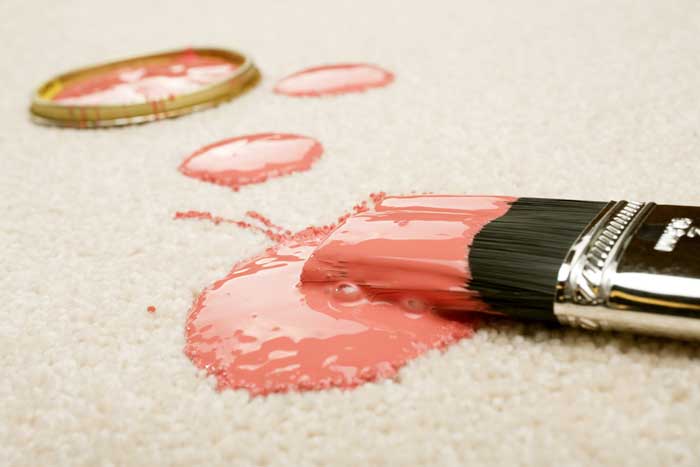
Water-based paints behave differently from oil-based products. If you know which type you are dealing with, treatment becomes much easier.
Mistakes to avoid
Scrubbing hard enough to roughen the pile or spread the stain outward.
Using strongly coloured cloths that can transfer dye into the carpet.
Mixing random cleaning products and hoping chemistry will be in a good mood.
Leaving the area damp for too long, especially if the underlay may have absorbed moisture.
When to call a professional
Bring in a professional if the carpet is expensive, the affected area is large, the stain or smell has soaked into the underlay, there is repeated pest activity, or DIY attempts have already changed the texture or colour. Professional cleaners, fitters, and pest specialists have access to stronger equipment, better diagnostics, and the kind of experience that saves a lot of second-guessing.
Frequently asked questions
How to Get emulsion paint out of carpet
Yes, in many cases it can be improved or solved completely, especially when you act quickly, use the correct method for the carpet type, and avoid over-wetting or over-scrubbing.
What should I test before treating the full area?
Test the cleaning product or method on a hidden section first. Check for colour loss, texture change, or damage to the backing.
How long should I wait before deciding whether it worked?
Wait until the carpet is fully dry. Many marks look lighter or darker while damp, and some residue only becomes obvious after drying.
Tools that usually help
For most carpet jobs, a small kit goes a long way: white microfibre cloths, paper towels, a spoon or blunt scraper, a vacuum with a clean head, lukewarm water, a plain spray bottle, and a carpet-safe detergent or specialist stain remover suited to the issue. A fan is useful for drying, and in odour cases an enzyme-based product can be more effective than a heavily perfumed cleaner because it targets the residue rather than trying to merely out-sing it.
How to protect the carpet afterwards
Once the area is clean and dry, avoid heavy traffic for a while and vacuum the surrounding space when everything has settled. Use entrance mats, rotate rugs, trim pet claws where appropriate, and deal with spills as soon as possible. Prevention is rarely glamorous, but it is the quiet hero in the cape. Good habits reduce repeat staining, odours, tracking, and wear, which means the carpet looks better and lasts longer.
Final thoughts
How to Get emulsion paint out of carpet does not need panic, only a sensible plan. Start gently, work in stages, keep moisture under control, and dry the area properly before judging the result. If the issue is stubborn, widespread, or tied to the subfloor, underlay, or an active pest problem, professional help is often the fastest route to a genuinely clean and lasting finish.
A final practical tip: keep white cloths, paper towels, a blunt scraper, and a small spray bottle ready in a cupboard. Most carpet emergencies are easier to handle when you do not spend the first ten minutes rummaging for supplies while the stain settles in like an unwanted tenant.
How to Clean a carpet by hand is one of those household questions that tends to arrive without an appointment. One minute the carpet is behaving itself, the next it is wearing a fresh mark, smell, dent, or mystery patch like an unwanted badge. The good news is that most carpet problems can be improved, and many can be solved completely, with a calm approach, the right tools, and a little patience.
Whether you are tackling routine soil, general dullness, or a room that has lost its spring, the secret is to work methodically. Carpets hold dust, grit, oils, and airborne debris deep in the pile, so a quick wipe on the surface rarely tells the full story. In this guide you will find a practical step-by-step method, advice on what products to use, what to avoid, and when it makes sense to call a professional cleaner.
Step-by-step method
Start by removing loose debris. Vacuum gently or lift solids with a spoon, blunt knife, or paper towel. Avoid pressing the mess deeper into the fibres.
Blot with white paper towels or a clean white cloth. Work from the outside of the mark toward the centre so the affected area does not spread.
Test any cleaning solution on a hidden corner first. Different carpets react differently, and a colour change is much harder to fix than the original stain.
Use small amounts of solution rather than flooding the carpet. Too much moisture can push residue into the backing or underlay and create a second problem.
Rinse lightly with clean water after treatment and blot again. Leaving product in the pile often attracts dirt and can make the patch look worse later.
Dry thoroughly with airflow. Open windows, use a fan, and avoid foot traffic until the carpet is fully dry.
Why the problem keeps coming back
Many carpet issues return because only the surface was treated. Residue in the pile, moisture in the backing, contamination in the underlay, or dust trapped at the edges can pull the same problem back into view. A complete fix usually means dealing with both what you can see and what the carpet has quietly tucked underneath.
Mistakes to avoid
Scrubbing hard enough to roughen the pile or spread the stain outward.
Using strongly coloured cloths that can transfer dye into the carpet.
Mixing random cleaning products and hoping chemistry will be in a good mood.
Leaving the area damp for too long, especially if the underlay may have absorbed moisture.
When to call a professional
Bring in a professional if the carpet is expensive, the affected area is large, the stain or smell has soaked into the underlay, there is repeated pest activity, or DIY attempts have already changed the texture or colour. Professional cleaners, fitters, and pest specialists have access to stronger equipment, better diagnostics, and the kind of experience that saves a lot of second-guessing.
Frequently asked questions
How to Clean a carpet by hand
Yes, in many cases it can be improved or solved completely, especially when you act quickly, use the correct method for the carpet type, and avoid over-wetting or over-scrubbing.
What should I test before treating the full area?
Test the cleaning product or method on a hidden section first. Check for colour loss, texture change, or damage to the backing.
How long should I wait before deciding whether it worked?
Wait until the carpet is fully dry. Many marks look lighter or darker while damp, and some residue only becomes obvious after drying.
Tools that usually help
For most carpet jobs, a small kit goes a long way: white microfibre cloths, paper towels, a spoon or blunt scraper, a vacuum with a clean head, lukewarm water, a plain spray bottle, and a carpet-safe detergent or specialist stain remover suited to the issue. A fan is useful for drying, and in odour cases an enzyme-based product can be more effective than a heavily perfumed cleaner because it targets the residue rather than trying to merely out-sing it.
How to protect the carpet afterwards
Once the area is clean and dry, avoid heavy traffic for a while and vacuum the surrounding space when everything has settled. Use entrance mats, rotate rugs, trim pet claws where appropriate, and deal with spills as soon as possible. Prevention is rarely glamorous, but it is the quiet hero in the cape. Good habits reduce repeat staining, odours, tracking, and wear, which means the carpet looks better and lasts longer.
Final thoughts
How to Clean a carpet by hand does not need panic, only a sensible plan. Start gently, work in stages, keep moisture under control, and dry the area properly before judging the result. If the issue is stubborn, widespread, or tied to the subfloor, underlay, or an active pest problem, professional help is often the fastest route to a genuinely clean and lasting finish.
A final practical tip: keep white cloths, paper towels, a blunt scraper, and a small spray bottle ready in a cupboard. Most carpet emergencies are easier to handle when you do not spend the first ten minutes rummaging for supplies while the stain settles in like an unwanted tenant.
How to Get lily pollen out of carpet is one of those household questions that tends to arrive without an appointment. One minute the carpet is behaving itself, the next it is wearing a fresh mark, smell, dent, or mystery patch like an unwanted badge. The good news is that most carpet problems can be improved, and many can be solved completely, with a calm approach, the right tools, and a little patience.
Stains behave differently depending on what caused them, how long they have been there, and what type of carpet fibre you have. The trick is to slow the chaos. Blot instead of scrub, test before soaking, and deal with the stain in layers rather than trying to blast it away in one dramatic move. This guide explains the safest order of attack and the mistakes that usually make a bad mark settle in for the long haul.
Step-by-step method
Start by removing loose debris. Vacuum gently or lift solids with a spoon, blunt knife, or paper towel. Avoid pressing the mess deeper into the fibres.
Blot with white paper towels or a clean white cloth. Work from the outside of the mark toward the centre so the affected area does not spread.
Test any cleaning solution on a hidden corner first. Different carpets react differently, and a colour change is much harder to fix than the original stain.
Use small amounts of solution rather than flooding the carpet. Too much moisture can push residue into the backing or underlay and create a second problem.
Rinse lightly with clean water after treatment and blot again. Leaving product in the pile often attracts dirt and can make the patch look worse later.
Dry thoroughly with airflow. Open windows, use a fan, and avoid foot traffic until the carpet is fully dry.
Extra tips for this type of stain
Quick action usually improves the result. The longer a stain sits, the more likely it is to bond with the fibres and sink below the surface.
Mistakes to avoid
Scrubbing hard enough to roughen the pile or spread the stain outward.
Using strongly coloured cloths that can transfer dye into the carpet.
Mixing random cleaning products and hoping chemistry will be in a good mood.
Leaving the area damp for too long, especially if the underlay may have absorbed moisture.
When to call a professional
Bring in a professional if the carpet is expensive, the affected area is large, the stain or smell has soaked into the underlay, there is repeated pest activity, or DIY attempts have already changed the texture or colour. Professional cleaners, fitters, and pest specialists have access to stronger equipment, better diagnostics, and the kind of experience that saves a lot of second-guessing.
Frequently asked questions
How to Get lily pollen out of carpet
Yes, in many cases it can be improved or solved completely, especially when you act quickly, use the correct method for the carpet type, and avoid over-wetting or over-scrubbing.
What should I test before treating the full area?
Test the cleaning product or method on a hidden section first. Check for colour loss, texture change, or damage to the backing.
How long should I wait before deciding whether it worked?
Wait until the carpet is fully dry. Many marks look lighter or darker while damp, and some residue only becomes obvious after drying.
Tools that usually help
For most carpet jobs, a small kit goes a long way: white microfibre cloths, paper towels, a spoon or blunt scraper, a vacuum with a clean head, lukewarm water, a plain spray bottle, and a carpet-safe detergent or specialist stain remover suited to the issue. A fan is useful for drying, and in odour cases an enzyme-based product can be more effective than a heavily perfumed cleaner because it targets the residue rather than trying to merely out-sing it.
How to protect the carpet afterwards
Once the area is clean and dry, avoid heavy traffic for a while and vacuum the surrounding space when everything has settled. Use entrance mats, rotate rugs, trim pet claws where appropriate, and deal with spills as soon as possible. Prevention is rarely glamorous, but it is the quiet hero in the cape. Good habits reduce repeat staining, odours, tracking, and wear, which means the carpet looks better and lasts longer.
Final thoughts
How to Get lily pollen out of carpet does not need panic, only a sensible plan. Start gently, work in stages, keep moisture under control, and dry the area properly before judging the result. If the issue is stubborn, widespread, or tied to the subfloor, underlay, or an active pest problem, professional help is often the fastest route to a genuinely clean and lasting finish.
A final practical tip: keep white cloths, paper towels, a blunt scraper, and a small spray bottle ready in a cupboard. Most carpet emergencies are easier to handle when you do not spend the first ten minutes rummaging for supplies while the stain settles in like an unwanted tenant.
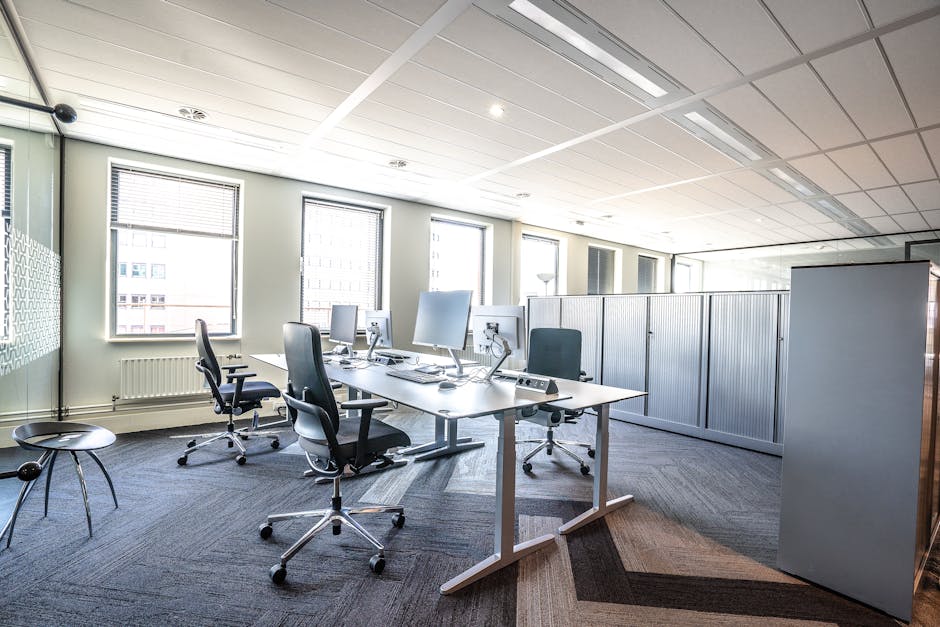
In modern office environments across Kent and East Sussex, protecting sensitive electronic equipment while maintaining a professional aesthetic is essential. Anti static carpet has become the flooring solution of choice for businesses in Tunbridge Wells, Robertsbridge, Goudhurst, and surrounding areas, offering both practical benefits and elegant design options.
At The Fitted Carpet Company, we’ve installed anti static carpeting in offices throughout Kent and East Sussex for over a decade, helping businesses protect their technology investments while creating comfortable, productive workspaces. Understanding how static electricity affects office environments and choosing the right carpet solution can make a significant difference to your business operations.
Understanding Static Electricity in Office Spaces
Static electricity occurs naturally when friction causes electrons to transfer between surfaces. In office environments, this happens constantly as people walk across carpeted floors, particularly during dry winter months. When someone touches a computer, phone system, or other electronic device, the accumulated static discharge can cause several problems:
Data loss or corruption in computers and servers
Damage to sensitive electronic components
Interference with precision equipment
Discomfort for employees experiencing frequent shocks
Potential ignition risks in environments with flammable materials
Traditional carpets can generate static charges exceeding 35,000 volts under low humidity conditions. Electronic components can be damaged by discharges as low as 100 volts, meaning standard office carpeting poses a genuine risk to expensive technology infrastructure.
How Anti Static Carpets Work
Anti static carpets are engineered with conductive or static dissipative fibres woven throughout the carpet construction. These specialised fibres, typically made from carbon or stainless steel, create pathways that safely conduct static charges away from the surface before they can build to damaging levels.
The technology works through two primary mechanisms. Conductive fibres are interwoven with standard carpet yarns, usually in a grid pattern throughout the backing and pile. These fibres continuously dissipate static charges to ground, preventing accumulation. Additionally, the carpet backing incorporates conductive materials that provide a consistent path for charge dispersal across the entire floor surface.
Modern anti static carpets maintain their protective properties throughout their lifespan, unlike older treatments that would wash out or wear away. This permanent protection makes them ideal for offices, data centres, server rooms, and any commercial space housing sensitive electronics.
Performance Standards and Testing
Quality anti static carpets meet specific industry standards. The static propensity test measures voltage generation when walked upon, with effective anti static carpets generating less than 2,000 volts. Electrical resistance testing ensures the carpet provides adequate conductivity to dissipate charges without creating electrical hazards.
Benefits for Office Environments Across Kent
Businesses in Sandhurst, Benenden, Ticehurst, and throughout our service area have discovered multiple advantages when installing anti static carpeting in their offices:
Equipment Protection: The primary benefit is safeguarding expensive computers, servers, telecommunications equipment, and other electronics from electrostatic discharge damage. For businesses in Wadhurst, Staplehurst, and Headcorn investing tens of thousands in IT infrastructure, this protection delivers substantial long-term value.
Improved Employee Comfort: Nobody enjoys the sharp shock of static discharge. Anti static carpet eliminates this daily irritation, creating a more comfortable workspace for employees in offices from Lamberhurst to Mayfield. This might seem minor, but workplace comfort significantly impacts productivity and employee satisfaction.
Professional Appearance: Modern anti static carpets are available in extensive colour ranges, patterns, and textures. Offices in Sissinghurst, Biddenden, and Horsmonden can achieve their desired aesthetic while maintaining technical performance. Carpet tiles offer particular flexibility for creating custom designs or facilitating future modifications.
Acoustic Benefits: Carpet naturally absorbs sound, reducing noise levels in busy office environments. For open-plan offices in Ewhurst Green, Northiam, and Hurst Green, this acoustic dampening creates quieter, less distracting workspaces that support concentration and communication. Learn more about soundproof carpet benefits for Kent homes, which also apply to offices.
Durability and Maintenance: Commercial-grade anti static carpets are engineered for heavy traffic areas. With proper maintenance, they can last 10-15 years in typical office environments, making them cost-effective over their lifespan. Regular vacuuming and periodic professional cleaning maintain both appearance and anti static properties.
Choosing the Right Anti Static Carpet Solution
Selecting appropriate anti static carpeting depends on several factors specific to your office environment. Traffic levels significantly influence carpet specification. Reception areas and corridors in Bodiam and Mountfield offices require more robust construction than private offices or conference rooms with lighter foot traffic.
The level of electrostatic sensitivity in your environment matters. Standard office spaces with desktop computers need basic anti static protection, while server rooms, data centres, or facilities housing precision measurement equipment require more stringent specifications with lower resistance values.
Installation format deserves consideration. Broadloom carpet offers seamless appearance and cost advantages for large, open areas. Carpet tiles provide installation flexibility, easier replacement of damaged sections, and access to underfloor cabling. Many offices in Rolvenden, Frittenden, and Bethersden choose carpet tiles for their adaptability and practical benefits. Understanding the differences between cut pile vs loop pile carpet can also influence your choice.
Aesthetic preferences and brand identity should align with carpet selection. The extensive range of colours, patterns, and textures available in anti static carpets means businesses in Appledore, Brede, and Beckley can reinforce their brand image while maintaining technical performance.
Professional Installation Considerations
Proper installation is critical for anti static carpet performance. The subfloor must be clean, dry, and level to ensure consistent contact between the conductive backing and ground plane. Seams require careful attention to maintain continuous conductivity across the floor surface. Grounding connections must be properly installed and tested to verify the complete static dissipation pathway functions correctly.
At The Fitted Carpet Company, our experienced installers understand these technical requirements. We serve offices throughout Peasmarsh, Sedlescombe, Brightling, and surrounding communities, ensuring every installation meets both aesthetic and performance standards.
Maintenance and Long-Term Performance
Maintaining anti static properties requires consistent care practices. Regular vacuuming removes dirt and debris that can interfere with static dissipation. Use vacuum cleaners with appropriate attachments that won’t damage carpet fibres. Professional cleaning every 12-18 months maintains appearance and performance, using methods and products compatible with anti static properties. For quick clean-ups, refer to our carpet cleaning tips for spills.
Humidity control supports anti static effectiveness. Maintaining relative humidity between 40-60% significantly reduces static generation. During dry winter months in Stonegate, Marden, and Yalding, humidification systems can complement carpet performance.
Periodic testing verifies continued anti static performance. For critical environments like data centres, annual electrical resistance testing ensures the carpet maintains proper conductivity levels throughout its service life.
Cost Considerations and Return on Investment
Anti static carpet typically costs 15-30% more than standard commercial carpeting, but this premium represents sound financial planning. Consider the cost of replacing a damaged server or losing business-critical data. Single incidents can exceed the entire flooring budget for small to medium offices.
For businesses in Brenchley, Matfield, Speldhurst, and throughout Kent and East Sussex, the protection offered by anti static carpet delivers genuine return on investment through equipment protection, reduced maintenance incidents, improved employee comfort, and enhanced professional image.
Conclusion
Anti static carpet represents an intelligent investment for office environments housing electronic equipment. By preventing electrostatic discharge damage, improving employee comfort, and maintaining professional aesthetics, these specialised floor coverings deliver both immediate and long-term value.
Whether you’re establishing a new office in Groombridge, Penshurst, or Chiddingstone, or updating existing premises in Pluckley, Smarden, or Wye, The Fitted Carpet Company brings expert knowledge and professional installation to every project. We supply and fit quality anti static carpets throughout Kent and East Sussex, turning commercial spaces into productive, protected work environments.
Our experienced team understands the unique requirements of office environments across our extensive service area. From initial consultation through expert installation and aftercare advice, we’re committed to delivering flooring solutions that protect your technology investments while creating comfortable, attractive workspaces where your business can thrive.
How to Get blood out of a carpet is one of those household questions that tends to arrive without an appointment. One minute the carpet is behaving itself, the next it is wearing a fresh mark, smell, dent, or mystery patch like an unwanted badge. The good news is that most carpet problems can be improved, and many can be solved completely, with a calm approach, the right tools, and a little patience.
Stains behave differently depending on what caused them, how long they have been there, and what type of carpet fibre you have. The trick is to slow the chaos. Blot instead of scrub, test before soaking, and deal with the stain in layers rather than trying to blast it away in one dramatic move. This guide explains the safest order of attack and the mistakes that usually make a bad mark settle in for the long haul.
Step-by-step method
Start by removing loose debris. Vacuum gently or lift solids with a spoon, blunt knife, or paper towel. Avoid pressing the mess deeper into the fibres.
Blot with white paper towels or a clean white cloth. Work from the outside of the mark toward the centre so the affected area does not spread.
Test any cleaning solution on a hidden corner first. Different carpets react differently, and a colour change is much harder to fix than the original stain.
Use small amounts of solution rather than flooding the carpet. Too much moisture can push residue into the backing or underlay and create a second problem.
Rinse lightly with clean water after treatment and blot again. Leaving product in the pile often attracts dirt and can make the patch look worse later.
Dry thoroughly with airflow. Open windows, use a fan, and avoid foot traffic until the carpet is fully dry.
Extra tips for this type of stain
Cold water is usually safer than hot water for blood. Heat can encourage proteins to bind more stubbornly to the fibres.
Mistakes to avoid
Scrubbing hard enough to roughen the pile or spread the stain outward.
Using strongly coloured cloths that can transfer dye into the carpet.
Mixing random cleaning products and hoping chemistry will be in a good mood.
Leaving the area damp for too long, especially if the underlay may have absorbed moisture.
When to call a professional
Bring in a professional if the carpet is expensive, the affected area is large, the stain or smell has soaked into the underlay, there is repeated pest activity, or DIY attempts have already changed the texture or colour. Professional cleaners, fitters, and pest specialists have access to stronger equipment, better diagnostics, and the kind of experience that saves a lot of second-guessing.
Frequently asked questions
How to Get blood out of a carpet
Yes, in many cases it can be improved or solved completely, especially when you act quickly, use the correct method for the carpet type, and avoid over-wetting or over-scrubbing.
What should I test before treating the full area?
Test the cleaning product or method on a hidden section first. Check for colour loss, texture change, or damage to the backing.
How long should I wait before deciding whether it worked?
Wait until the carpet is fully dry. Many marks look lighter or darker while damp, and some residue only becomes obvious after drying.
Tools that usually help
For most carpet jobs, a small kit goes a long way: white microfibre cloths, paper towels, a spoon or blunt scraper, a vacuum with a clean head, lukewarm water, a plain spray bottle, and a carpet-safe detergent or specialist stain remover suited to the issue. A fan is useful for drying, and in odour cases an enzyme-based product can be more effective than a heavily perfumed cleaner because it targets the residue rather than trying to merely out-sing it.
How to protect the carpet afterwards
Once the area is clean and dry, avoid heavy traffic for a while and vacuum the surrounding space when everything has settled. Use entrance mats, rotate rugs, trim pet claws where appropriate, and deal with spills as soon as possible. Prevention is rarely glamorous, but it is the quiet hero in the cape. Good habits reduce repeat staining, odours, tracking, and wear, which means the carpet looks better and lasts longer. For more on >>> best carpet colours for small rooms.
How to Get blood out of a carpet does not need panic, only a sensible plan. Start gently, work in stages, keep moisture under control, and dry the area properly before judging the result. If the issue is stubborn, widespread, or tied to the subfloor, underlay, or an active pest problem, professional help is often the fastest route to a genuinely clean and lasting finish.
A final practical tip: keep white cloths, paper towels, a blunt scraper, and a small spray bottle ready in a cupboard. Most carpet emergencies are easier to handle when you do not spend the first ten minutes rummaging for supplies while the stain settles in like an unwanted tenant.