Author: webexpand

Best Carpet Colours for Small Rooms

Best Carpet Colours for Small Rooms

Choosing the right carpet colour for a small room can dramatically transform how the space feels. The correct shade can make a compact bedroom, cosy sitting room, or petite home office appear larger, brighter, and more inviting. At The Fitted Carpet Company, we help homeowners throughout Kent and East Sussex select carpets that maximise their living spaces while reflecting their personal style.

With decades of experience fitting carpets across villages from Benenden to Wadhurst, from Goudhurst to Peasmarsh, we’ve witnessed firsthand how colour choice impacts perceived room size. This comprehensive guide explores the best carpet colours for small rooms, the psychology behind colour selection, and practical considerations for making the right choice for your home.

Why Carpet Colour Matters in Small Spaces

The colour of your carpet influences more than just aesthetics. In smaller rooms, carpet colour affects how light reflects throughout the space, how the eye perceives boundaries, and ultimately how comfortable you feel in the room. Dark carpets can absorb light and make walls feel closer, while lighter shades reflect natural light and create an airy atmosphere.

best carpet colours for small rooms

Many homeowners in historic Kent villages like Sissinghurst, Lamberhurst, and Cranbrook live in charming period properties with characterfully compact rooms. These spaces benefit enormously from thoughtful carpet colour selection that honours the home’s heritage while maximising visual space.

Carpet also covers more surface area than any other single design element in a room. Unlike a feature wall or furniture piece, your flooring creates a continuous visual foundation that either expands or contracts the perceived dimensions of your space.

Light Neutral Shades: The Space-Expanding Champions

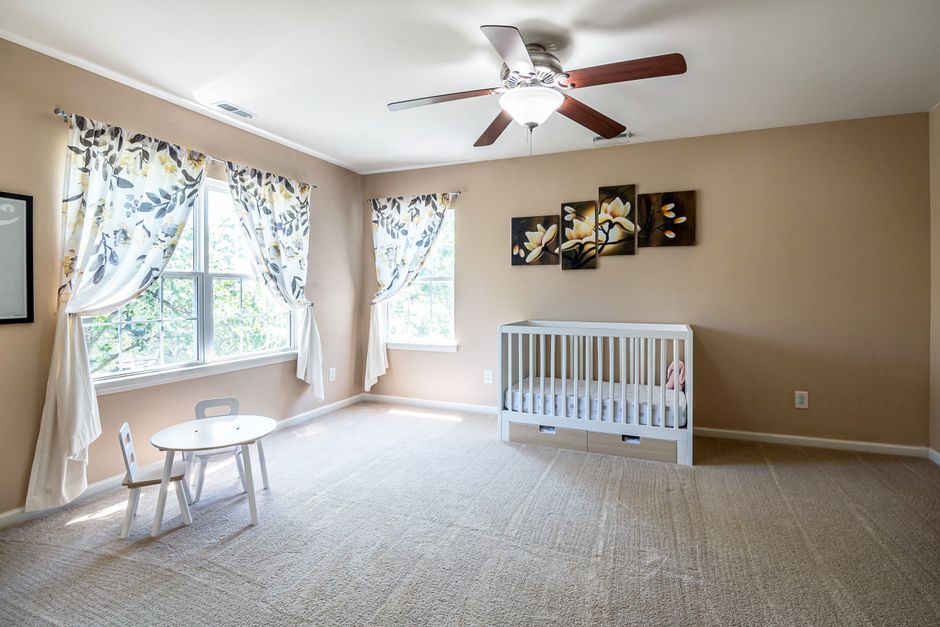
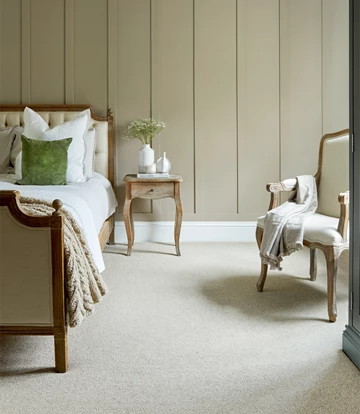
Light neutral carpets remain the most popular choice for small rooms, and for excellent reason. Shades like cream, beige, soft grey, and warm taupe reflect natural light beautifully, creating an open, spacious feeling even in the most compact rooms.

best carpet colours for small rooms

Cream and Ivory: These classic choices work wonderfully in small bedrooms and living spaces. They provide warmth without overwhelming the senses and pair beautifully with virtually any wall colour or furniture style. Homeowners in rural East Sussex villages like Burwash and Brightling often choose these shades for their timeless appeal and light-enhancing properties.

Soft Grey: Grey carpets have surged in popularity throughout 2025 and continue trending in 2026. From pale dove grey to subtle greige (grey-beige blends), these contemporary neutrals offer sophistication while maintaining that crucial light-reflective quality. Grey works particularly well in modern apartments and updated homes throughout Tunbridge Wells and surrounding areas.

Warm Taupe: For those who find pure grey too cool or cream too traditional, taupe provides the perfect middle ground. This versatile shade brings warmth while still offering the space-expanding benefits of lighter neutrals.

When selecting light neutral carpets, consider your natural light exposure. North-facing rooms benefit from warmer tones like cream and taupe, while south-facing spaces can accommodate cooler greys beautifully.

Should You Ever Choose Dark Carpet for Small Rooms?

While conventional wisdom suggests avoiding dark carpets in small spaces, certain situations warrant breaking this rule. Dark carpets can create drama, hide stains more effectively than pale alternatives, and provide grounding in rooms with abundant natural light.

best carpet colours for small rooms

Deep charcoal, navy, or chocolate brown carpets work best in small rooms when balanced with lighter walls, substantial natural light, and thoughtful lighting design. We’ve successfully installed darker carpets in compact studies and snugs throughout Ticehurst, Northiam, and Mayfield, where clients wanted cosy, cocoon-like atmospheres rather than spacious-feeling rooms.

If you’re drawn to darker carpets despite having a small room, consider these strategies to prevent the space feeling cramped: paint walls in bright white or very light shades, maximise natural light with minimal window treatments, incorporate mirrors to reflect light, and use bright accent lighting throughout the room.

The Compromise: Mid-Tone Carpets

Medium-toned carpets offer practical benefits for busy households while avoiding the space-shrinking effect of very dark shades. Colours like oatmeal, medium grey, soft sage, and warm sand provide visual interest and excellent stain resistance without dramatically reducing perceived room size.

These mid-tone options prove particularly popular with families in villages like Staplehurst, Headcorn, and Bethersden, where practicality matters as much as aesthetics.

Colour Psychology and Room Function

Different rooms serve different purposes, and your carpet colour should reflect how you use each space. Understanding basic colour psychology helps inform decisions that go beyond simply making rooms appear larger.

Bedrooms: Soft, calming neutrals work beautifully here. Pale blues, gentle greiges, and warm creams promote relaxation and restful sleep. These shades also make small bedrooms feel less confined, improving your overall comfort.

Home Offices: Studies suggest neutral carpets reduce visual distraction, helping maintain focus during work hours. Light grey, soft taupe, or gentle beige creates a professional backdrop without the sterile feeling of pure white.

Living Spaces: Slightly warmer neutrals encourage conversation and comfort. Cream, warm beige, and soft greige invite people into compact sitting rooms and lounges throughout Kent and Sussex properties.

Hallways: These transitional spaces benefit from practical mid-tones that disguise foot traffic while still feeling welcoming and durable.

Pattern and Texture Considerations

While this guide focuses primarily on colour, pattern and texture significantly influence how carpet colour appears in your space. Solid colours generally make rooms feel larger than busy patterns, but subtle texture adds depth without visual clutter.

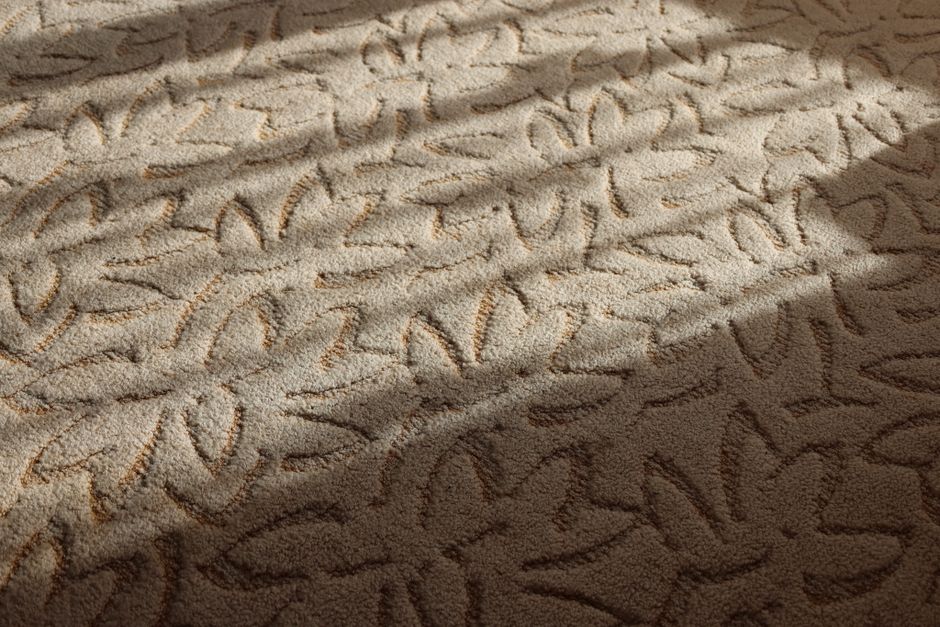
Saxony carpets with a smooth, uniform appearance reflect light beautifully and emphasise whatever colour you’ve chosen. Textured carpets, including popular loop pile and twist options, add visual interest while still maintaining space-expanding properties when in lighter shades.

Small geometric patterns or very subtle flecking can disguise wear in high-traffic areas without creating the busy, space-shrinking effect of large, bold patterns. We often recommend these options for practical homeowners in busy villages like Marden, Yalding, and Horsmonden.

Coordinating with Existing Décor

Your carpet doesn’t exist in isolation. Successful colour selection requires considering your walls, furniture, curtains, and overall design scheme. In small rooms, creating visual flow between elements prevents the choppy, cluttered appearance that makes spaces feel even smaller.

Monochromatic Schemes: Using varying shades of the same colour family creates seamless visual flow. Light grey walls with slightly darker grey carpet and mid-tone grey furniture provide depth while maintaining spaciousness.

Analogous Colours: Choosing colours adjacent on the colour wheel, such as cream carpet with soft yellow walls or light grey carpet with pale blue accents, creates harmony without monotony.

High Contrast: While generally less advisable in very small rooms, dramatic contrast between dark furniture and light carpet can work when executed thoughtfully. This approach requires confident design skills and usually benefits from professional guidance.

The Fitted Carpet Company offers complimentary colour consultation services throughout our Kent and East Sussex service areas, helping you visualise how different carpet colours will work within your existing décor scheme.

Practical Considerations Beyond Aesthetics

While making your room appear larger is important, practical factors deserve equal consideration when selecting carpet colour. The best carpet for your small room balances aesthetic appeal with real-world functionality.

Lifestyle Factors: Households with children, pets, or high foot traffic need carpets that disguise inevitable wear and staining. Very pale carpets, while space-enhancing, may prove impractical for busy family homes. Mid-tone options or neutrals with subtle flecking provide compromise solutions.

Maintenance Requirements: Lighter carpets require more frequent cleaning to maintain their fresh appearance. If you’re not prepared for regular professional cleaning, consider slightly darker neutrals that hide minor marks between deep cleans.

Longevity and Trends: Bold colour choices may feel exciting initially but can date quickly. Classic neutrals remain appealing across decades, protecting your flooring investment. This proves particularly valuable in rental properties and homes you plan to sell within a few years.

Natural Light Availability: Rooms with limited natural light benefit most dramatically from the lightest possible carpet shades. Conversely, sun-drenched spaces can accommodate slightly darker tones without feeling cramped.

Professional Installation Makes the Difference

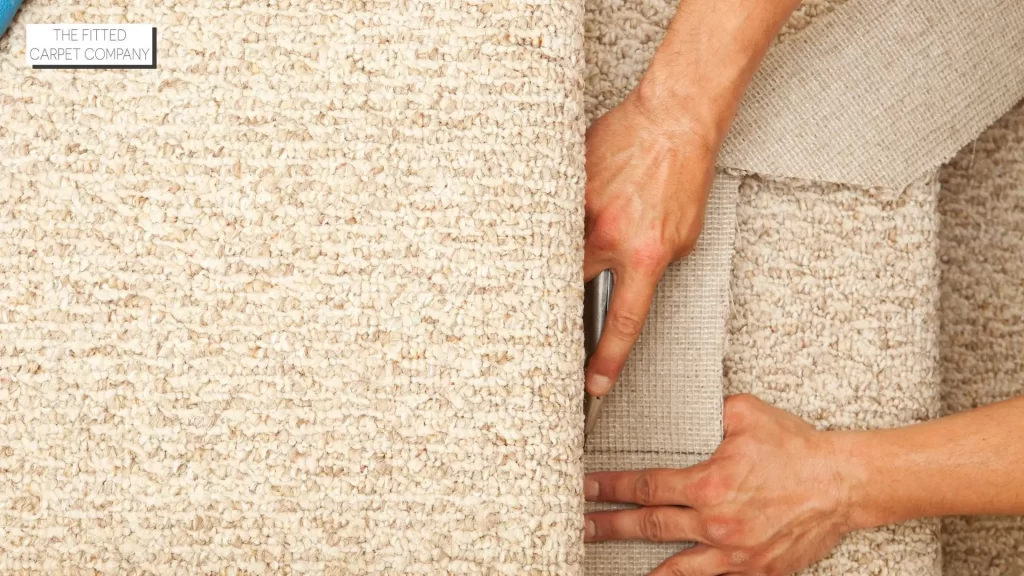
Even the perfect carpet colour won’t achieve its full potential without expert installation. Poor fitting creates visible seams, buckling, and uneven surfaces that draw attention to flooring rather than allowing it to serve as a subtle, space-enhancing foundation.

At The Fitted Carpet Company, our experienced installers serve homeowners and commercial clients throughout Kent and East Sussex, from traditional cottages in Rolvenden and Biddenden to modern homes in Groombridge and Penshurst. We ensure your chosen carpet lies perfectly flat, with seams positioned to be virtually invisible and edges secured professionally.

Our fitting service includes moving furniture, removing old carpeting, preparing subfloors, and completing installation to the highest standards. We take pride in transforming houses into homes, one room at a time.

Making Your Final Decision

Choosing carpet colour for a small room involves balancing multiple factors: your desire to maximise perceived space, practical lifestyle requirements, coordination with existing décor, and personal style preferences. While light neutrals generally serve small rooms best, the “right” choice ultimately depends on your unique circumstances.

We recommend ordering samples of your top choices and living with them in your actual room for several days. Observe how they look in morning light, afternoon sun, and evening lamplight. Notice how they feel underfoot and how they coordinate with your furnishings.

Consider the room’s purpose and who uses it most. A small child’s bedroom may benefit from practical mid-tones and durable carpet types, while a rarely-used guest room could feature impractically pale cream for maximum spaciousness.

Most importantly, choose colours that make you happy. You’ll live with this carpet daily, so select shades that bring you joy rather than simply following design rules.

Conclusion

The best carpet colours for small rooms are typically light neutrals: cream, soft grey, warm taupe, and gentle beige. These shades reflect light, create visual spaciousness, and provide versatile foundations for various décor styles. However, your specific circumstances, including lifestyle requirements, natural light availability, and personal preferences, should inform your final decision.

The Fitted Carpet Company brings decades of expertise to homeowners throughout Kent and East Sussex, from Sandhurst to Sedlescombe, from Flimwell to Pluckley. Whether you’re carpeting a compact cottage bedroom, a cosy village home office, or a small commercial space, we provide quality carpets, expert guidance, and professional installation that transforms your vision into reality.

Contact us today for personalised colour consultation, and don’t forget to ask about the benefits of quality underlay, and discover how the right carpet can make your small room feel surprisingly spacious, beautifully comfortable, and unmistakably yours. For those considering a DIY approach, make sure you know how to measure a room for carpet accurately to avoid costly mistakes.


article ca784424 0b03 4517 9471 f7bb1e303cef featured

Soundproof Carpet Benefits for Kent Homes

Soundproof Carpet Benefits for Kent Homes

Living in the peaceful countryside of Kent and East Sussex means valuing tranquility at home. Yet noise from footsteps, traffic, or neighboring rooms can disrupt that peace. Soundproof carpets offer an effective solution that combines comfort with acoustic control, making them increasingly popular among homeowners who want to reduce unwanted noise while enhancing their living spaces.

At The Fitted Carpet Company, we’ve seen firsthand how the right carpet can transform not just the look of a room, but the sound quality throughout an entire home. Whether you’re dealing with noisy upstairs neighbors in a flat conversion or simply want to create a more serene environment in your period property in Goudhurst or Lamberhurst, understanding soundproof carpet benefits can help you make an informed flooring choice.

How Soundproof Carpets Work

Soundproof carpets reduce noise through two primary mechanisms: absorption and dampening. Unlike hard flooring surfaces that reflect sound waves, carpet fibers trap and absorb airborne noise, preventing it from bouncing around rooms. The thicker and denser the carpet pile, the more effective this absorption becomes.

soundproof carpet benefits

The underlay beneath your carpet plays an equally important role. High-quality acoustic underlay acts as a barrier that reduces impact noise transmission between floors. This is particularly valuable in multi-story homes common throughout Benenden, Sissinghurst, and surrounding villages, where footfall from upper floors can be heard clearly below. Read more about underlay for carpet benefits.

Together, carpet and underlay create a layered system that addresses both airborne sounds like voices and televisions, and impact sounds like footsteps and dropped objects. This dual-action approach makes carpeting one of the most effective noise reduction solutions available for residential properties.

Noise Reduction Benefits for Your Home

The acoustic benefits of soundproof carpets extend throughout your entire home. In bedrooms, they create quieter sleeping environments by reducing noise from hallways and adjacent rooms. Many homeowners in Wadhurst and Mayfield report significantly improved sleep quality after installing quality carpets with proper acoustic underlay.

soundproof carpet benefits

Living areas benefit enormously from reduced echo and reverberation. Open-plan spaces, increasingly popular in modern Kent homes, can suffer from excessive noise bounce off hard surfaces. Carpet absorbs these sound waves, creating a more comfortable acoustic environment for conversation and relaxation.

For homes with children, soundproof carpets reduce the impact of running feet and dropped toys, making life more peaceful for everyone. Stairs carpeted with acoustic underlay significantly decrease the thundering sound of people moving between floors, a common complaint in family homes throughout Staplehurst and Marden.

Even home offices benefit from improved acoustics. With more people working remotely across rural Kent and Sussex, creating a professional sound environment for video calls has become essential. Carpet reduces echo and background noise, improving call quality noticeably.

Health and Wellbeing Advantages

The connection between noise reduction and health extends beyond simple comfort. Chronic noise exposure has been linked to increased stress levels, sleep disturbances, and even cardiovascular issues. Creating quieter home environments through soundproof carpets supports overall wellbeing for your entire household.

soundproof carpet benefits

Reduced noise levels contribute to better concentration and productivity, particularly important for children doing homework or adults working from home. The calmer acoustic environment helps the mind focus without constant auditory distractions that hard flooring can amplify.

For households with elderly residents or those with sensory sensitivities, the noise-dampening properties of quality carpet create a more manageable living environment. This is especially valuable in multi-generational homes common throughout villages like Rolvenden and Biddenden.

Physical activity at home also benefits from carpeted floors. Whether following exercise routines or simply moving about daily tasks, carpet reduces joint impact compared to hard surfaces. According to guidance from health authorities including the NHS on physical activity, reducing impact stress on joints supports long-term mobility and comfort.

Additional Comfort Benefits

Beyond sound reduction, quality carpets provide thermal insulation that keeps homes warmer during Kent’s damp winters. This dual functionality makes soundproof carpets particularly cost-effective, addressing both acoustic and energy efficiency in one installation.

The soft surface underfoot adds comfort and safety, reducing injury risk from falls. This matters particularly for families with young children or elderly residents in properties throughout Etchingham, Burwash, and Northiam.

Choosing the Right Soundproof Carpet

Not all carpets offer equal noise reduction. Several factors determine acoustic performance, starting with pile density and thickness. Generally, denser carpets with deeper piles provide superior sound absorption. Wool and wool-blend carpets typically outperform synthetic options in acoustic performance while also offering excellent durability.

The underlay selection matters just as much as the carpet itself. Rubber underlays excel at blocking impact noise transmission between floors, making them ideal for upstairs rooms. Foam underlays with higher density ratings also provide good acoustic performance at various price points.

For maximum noise reduction, look for underlays specifically rated for acoustic performance. These specialized products include density ratings and impact sound reduction specifications that help you compare options objectively. At The Fitted Carpet Company, we guide clients through these choices based on their specific needs and budget.

Carpet thickness and weight both contribute to soundproofing effectiveness. Heavier carpets naturally dampen more sound, though proper underlay can partially compensate for lighter carpet choices if needed. Room function should guide your selection—bedrooms and living areas benefit most from maximum acoustic performance.

Professional Installation Matters

Even the best soundproof carpet won’t perform optimally without proper installation. Professional fitting ensures the underlay is laid correctly without gaps that could compromise acoustic performance. Proper stretching and securing prevents movement that can reduce noise dampening over time.

Seams must be positioned strategically to maintain sound barrier continuity across larger rooms. Edges require careful attention where carpet meets hard flooring to prevent sound leakage around perimeters. These details make the difference between adequate and excellent acoustic performance.

Our experienced fitters across Kent and East Sussex understand how carpet installation techniques affect both appearance and acoustic function. We ensure your investment delivers maximum noise reduction benefits alongside beautiful aesthetics that complement your home’s character, whether it’s a cottage in Peasmarsh or a modern home in Headcorn.

Proper subfloor preparation also influences final acoustic performance. Uneven surfaces or existing floor damage should be addressed before carpet installation to ensure consistent sound dampening throughout the space.

Maintenance for Lasting Performance

Maintaining your soundproof carpet’s acoustic properties requires regular care. Vacuuming removes dirt particles that can compress carpet fibers, reducing their sound-absorbing capacity over time. We recommend vacuuming high-traffic areas at least twice weekly, with thorough cleaning of entire carpeted areas weekly.

Professional deep cleaning every 12 to 18 months helps restore pile height and density, maintaining acoustic performance alongside appearance. This is particularly important in busy households throughout Robertsbridge, Ticehurst, and similar communities where carpets receive considerable wear.

Address spills immediately to prevent moisture from reaching the underlay, which could compromise its acoustic and structural integrity. Use appropriate cleaning methods for your carpet type to avoid damage that might reduce sound-dampening effectiveness.

Quality underlays and carpets properly maintained can provide excellent acoustic performance for many years, making them a sound long-term investment in your home’s comfort and value.

Conclusion

Soundproof carpets offer comprehensive benefits that extend far beyond simple noise reduction. From improved sleep quality and reduced stress to enhanced thermal efficiency and safety, quality carpet installation addresses multiple home comfort needs simultaneously. For residents throughout Kent and East Sussex seeking to create more peaceful, comfortable living spaces, investing in proper soundproof carpeting delivers lasting value.

The Fitted Carpet Company brings decades of experience fitting quality carpets across the region. We understand how different carpet types and underlays perform in various applications, and we’re committed to helping you select the perfect solution for your home’s unique needs. Whether you’re in Sandhurst, Bodiam, or anywhere across our service area, we provide expert advice, quality products, and professional installation that ensures your carpet investment delivers maximum acoustic and aesthetic benefits for years to come.

Contact us today to discuss how soundproof carpets can transform your home’s comfort and tranquility.

article 43df467c 8d79 40b2 8c27 8ea55d004600 featured

Carpet Cleaning Tips for Spills: Quick Action Guide

Carpet Cleaning Tips for Spills: Quick Action Guide

Every carpet owner faces the inevitable moment when a glass tips over, a plate drops, or muddy footprints trail across pristine fibres. Whether you’ve just invested in beautiful new carpets for your Kent home or you’re maintaining existing flooring, knowing how to respond quickly and correctly to spills can mean the difference between a minor inconvenience and a permanent stain. At The Fitted Carpet Company, we understand that protecting your investment matters, which is why we’ve compiled this comprehensive guide to handling carpet spills effectively.

The Golden Rule: Act Immediately

The single most important factor in successful spill management is speed. When liquid hits your carpet, it begins soaking deeper into the fibres with every passing second. Fresh spills sit primarily on the surface, making them far easier to remove than those that have penetrated through to the backing or underlay.

carpet cleaning tips for spills

As soon as a spill occurs, grab clean white cloths or paper towels and begin blotting. Never rub or scrub at this stage, as this drives the liquid deeper and spreads it across a wider area. Think of blotting as gently pressing down to absorb the moisture, working from the outside edges toward the centre to prevent the spill from expanding outward.

For solid spills like food, carefully scoop up as much material as possible using a spoon or blunt knife before addressing any remaining residue. The less substance you need to clean, the better your results will be.

Essential Carpet Cleaning Supplies

Maintaining a carpet emergency kit ensures you’re prepared when accidents happen. Keep these items readily accessible in your Kent or East Sussex home:

carpet cleaning tips for spills
  • White cloths or paper towels: Coloured fabrics may transfer dye to your carpet, particularly when using cleaning solutions
  • Cold water: Your first line of defence for most spills
  • White vinegar: A natural cleaning agent effective for many common stains
  • Baking soda: Excellent for absorbing odours and lifting certain stains
  • Mild dish soap: Useful for greasy or oily spills
  • Spray bottle: For controlled application of cleaning solutions
  • Soft-bristled brush: For gentle agitation when needed

Before applying any cleaning solution to a visible area, always test it on an inconspicuous spot to ensure it won’t damage or discolour your carpet fibres. Wait several minutes and check for any adverse reactions before proceeding.

Tackling Common Household Spills

Different spills require different approaches. Here’s how to handle the most frequent carpet emergencies:

carpet cleaning tips for spills

Coffee and Tea

Blot up as much liquid as possible immediately. Mix one tablespoon of white vinegar with one tablespoon of mild dish soap in two cups of warm water. Apply the solution with a clean cloth, working from the outside in. Blot with a dry cloth, then rinse with cold water and blot again until the stain lifts.

Red Wine

Time is critical with red wine. Blot immediately, then cover the area with salt to absorb remaining liquid. After 10 minutes, vacuum up the salt and apply a mixture of one part white vinegar to two parts water. Blot repeatedly until the stain disappears.

Pet Accidents

Remove solid waste and blot liquids thoroughly. Apply an enzyme-based cleaner specifically designed for pet stains, as these break down organic matter and eliminate odours at the source. Avoid ammonia-based cleaners, which can smell similar to urine and encourage pets to re-mark the area.

Mud and Dirt

Allow mud to dry completely before attempting removal. Vacuum thoroughly to remove dried particles, then treat any remaining stain with a mild detergent solution. This approach is particularly relevant for homes in rural areas across Kent and East Sussex, where muddy boots are a daily reality.

Grease and Oil

Sprinkle baking soda or cornstarch over the spill to absorb the grease. Let it sit for 15 minutes, then vacuum. Apply a small amount of dish soap diluted in water, blot gently, and rinse thoroughly with clean water.

Professional Carpet Care Considerations

While prompt home treatment handles most spills effectively, some situations benefit from professional intervention. Consider calling in experts when:

  • Spills cover large areas or have soaked through to the underlay
  • Stains have set for an extended period before treatment
  • Previous cleaning attempts have failed or made the problem worse
  • The spill involves substances like ink, paint, or other complex chemicals
  • Your carpet requires specialist care due to delicate fibres or construction

Regular professional cleaning every 12 to 18 months maintains your carpet’s appearance and extends its lifespan, complementing your spot-cleaning efforts. Professional equipment reaches deeper into carpet pile than household methods, removing embedded dirt and refreshing fibres.

Prevention and Protection Strategies

The best spill is one that never happens. While accidents remain inevitable, several strategies minimize risk and damage:

Apply carpet protector treatments that create a barrier against spills, giving you precious extra seconds to respond before liquids soak in. Many quality carpets come with built-in stain protection, but this diminishes over time and benefits from reapplication. For homes looking to proactively protect their flooring, exploring stain resistant carpet options can be a wise long-term investment.

Implement a no-shoes policy indoors to reduce tracked-in dirt and moisture. Place absorbent mats at entrances to catch debris before it reaches your carpets. This proves especially valuable during wet weather common throughout the Kent and East Sussex region.

Position furniture strategically to minimize traffic across vulnerable areas. Use trays under houseplants to catch water overflow, and consider coasters mandatory for all beverages placed on or near carpeted areas.

Vacuum regularly to remove dry soil particles that can turn into muddy stains when moisture is introduced. Frequent vacuuming actually makes spot cleaning easier because there’s less dirt to become embedded during a spill incident. You might also want to consider carpet for high traffic areas that are designed to withstand more wear and tear.

When to Replace Rather Than Clean

Sometimes despite your best efforts, carpet damage proves too severe for cleaning to restore. Permanent staining, water damage causing mould growth, or extensive wear in high-traffic areas may indicate it’s time to consider replacement.

At The Fitted Carpet Company, we help homeowners and commercial clients across Kent and East Sussex select carpets suited to their specific needs. High-traffic family homes benefit from stain-resistant fibres, while formal spaces might prioritize luxurious textures. Understanding carpet types for durability can significantly influence your choice, ensuring your flooring stands the test of time. Our expert installation ensures your new carpets look beautiful and perform well for years to come.

Conclusion

Effective carpet spill management combines quick action, proper technique, and the right supplies. By responding immediately to accidents, using appropriate cleaning methods for different spill types, and maintaining regular care routines, you’ll keep your carpets looking their best throughout their lifespan. Remember that while most spills respond well to prompt home treatment, professional help remains available for stubborn stains or widespread damage. Whether you’re protecting a new carpet investment or maintaining existing flooring in your Kent or East Sussex property, these carpet cleaning tips for spills will help you handle whatever spills life throws your way with confidence and success.

article 501ad809 1531 41b8 bef3 909371df029d featured

Patterned Carpet Design Ideas for Your Home

Patterned Carpet Design Ideas for Your Home

When it comes to transforming a room, few elements make as significant an impact as the flooring beneath your feet. Patterned carpets offer an exciting opportunity to inject personality, visual interest, and sophisticated style into any space. Whether you’re renovating a period property in Kent or updating a modern home in East Sussex, choosing the right patterned carpet can completely redefine your interior aesthetic while delivering the comfort and practicality you need for daily life.

At The Fitted Carpet Company, we’ve helped countless homeowners across the region discover how patterned carpets can turn ordinary rooms into extraordinary spaces. From traditional designs that honour the character of historic properties to contemporary patterns that bring fresh energy to modern interiors, the options available in 2026 are more diverse and exciting than ever before.

Understanding Pattern Scale and Room Size

One of the most crucial considerations when selecting a patterned carpet is understanding how pattern scale relates to room dimensions. This relationship can make the difference between a space that feels harmonious and one that feels overwhelming or underwhelming.

patterned carpet design ideas

Large-scale patterns work beautifully in spacious rooms with high ceilings, such as the generous living rooms often found in period homes throughout Robertsbridge or Lamberhurst. These bold designs create focal points and can actually make large spaces feel more intimate and anchored. Geometric patterns with substantial repeats, oversized florals, or dramatic abstract designs suit these environments perfectly.

Conversely, small to medium-scale patterns prove ideal for more compact rooms. Delicate geometrics, subtle stripes, or fine traditional motifs prevent smaller bedrooms or studies from feeling cramped. These refined patterns add visual texture without overwhelming the space, making them particularly suitable for cottages and converted properties common in villages like Benenden or Sissinghurst.

Medium-scale patterns offer the most versatility, working effectively in a wide range of room sizes and complementing various furniture arrangements. This adaptability makes them an excellent choice for homes where rooms serve multiple purposes or where you anticipate changing your interior scheme over time.

Classic Pattern Styles That Never Fade

Certain patterned carpet designs have endured through decades of changing trends because they offer timeless appeal and remarkable versatility. Traditional patterns continue to be highly sought after, particularly in areas with abundant period architecture.

patterned carpet design ideas

Damask patterns bring elegance and formality to dining rooms and main bedrooms. These sophisticated designs feature ornate, flowing motifs that add a layer of luxury while remaining surprisingly practical for family homes. Modern interpretations often feature tone-on-tone colourings that provide pattern interest without becoming visually overwhelming.

Floral designs range from cottage-style blooms to stylised botanical prints. These patterns work wonderfully in bedrooms, creating restful sanctuaries, and can bring warmth to hallways and landings. Contemporary floral carpets often feature abstract interpretations of natural forms, offering a fresh take on this classic style.

Medallion patterns create stunning focal points, particularly in formal reception rooms. These designs typically feature a central motif that draws the eye and establishes a sense of structure within a space. They work exceptionally well in rooms with minimal furniture, allowing the floor to become a true design statement.

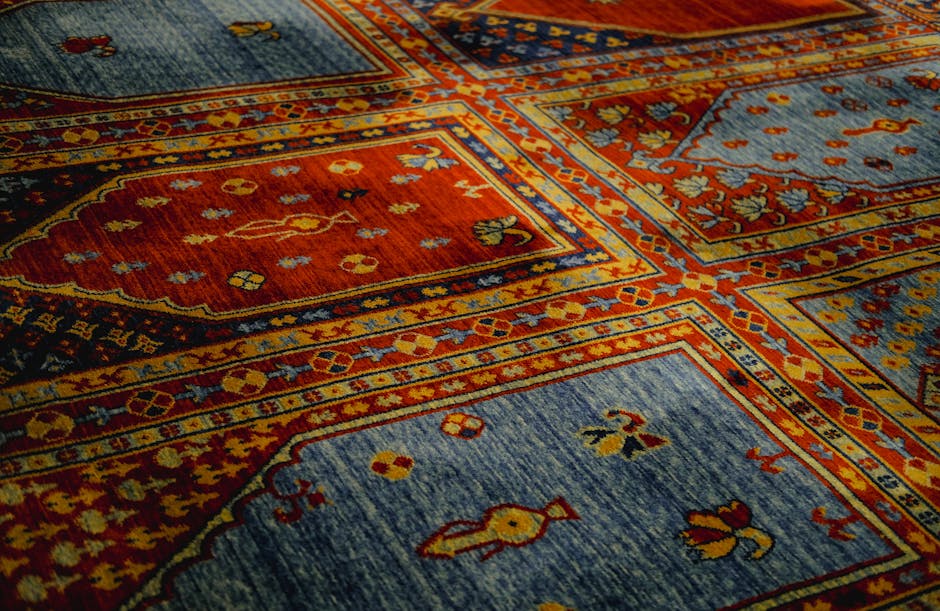
Traditional Persian and Oriental-inspired patterns bring richness and depth to interiors. While actual handwoven rugs remain treasured heirlooms, patterned carpets inspired by these traditional designs offer similar aesthetic appeal with the added benefit of wall-to-wall coverage and modern stain-resistant treatments.

Contemporary Pattern Trends for Modern Homes

For those seeking cutting-edge design, contemporary patterned carpets offer exciting possibilities that align perfectly with current interior trends while maintaining practical functionality.

patterned carpet design ideas

Geometric patterns dominate modern carpet design, from subtle hexagons to bold chevrons and striking angular compositions. These patterns complement contemporary furnishings beautifully and create visual movement without relying on traditional motifs. Trellis and lattice designs bridge the gap between classic and contemporary, making them ideal for transitional interiors.

Abstract patterns provide artistic expression underfoot. These designs might feature watercolour-like effects, marble-inspired swirls, or artistic interpretations of natural elements like water, clouds, or stone. Abstract patterns work particularly well in open-plan living spaces where they help define zones without physical barriers.

Textured patterns create interest through varying pile heights rather than colour contrast. These tactile designs add dimension and sophistication while maintaining a relatively neutral appearance that won’t compete with statement furniture or artwork. They’re especially popular in master bedrooms and home offices where subtle luxury is desired.

Nature-inspired organic patterns reflect the growing emphasis on biophilic design. Patterns mimicking wood grain, stone formations, or water ripples bring the outdoors in, creating calming environments that support wellbeing. This connection to natural elements can be particularly appealing in rural settings throughout Kent and East Sussex.

Selecting Colours Within Patterns

The colour palette within your patterned carpet significantly influences the overall atmosphere of your room and determines how well the flooring integrates with your existing or planned décor scheme.

Neutral-based patterns featuring variations of beige, grey, taupe, and cream offer maximum versatility. These foundations allow pattern to add interest without restricting your colour choices for walls, furniture, and accessories. They’re particularly practical for hallways and stairs that connect multiple rooms with different colour schemes.

Tone-on-tone patterns provide subtle sophistication, creating depth through pattern alone rather than contrasting colours. A grey pattern on a slightly lighter or darker grey background, for example, offers visual texture while maintaining a calming, cohesive appearance ideal for bedrooms and relaxation spaces.

Multi-coloured patterns can tie together various elements within a room. If your soft furnishings, artwork, and accessories feature several colours, a patterned carpet incorporating those hues creates harmonious unity. However, this approach requires careful planning to avoid overwhelming the space.

Bold contrast patterns featuring dramatic colour differences make strong statements. Navy and white geometrics, charcoal and cream florals, or black and beige abstracts create rooms with undeniable personality. These work best when surrounding elements remain relatively simple, allowing the floor to serve as the primary design feature.

Practical Considerations for Patterned Carpets

Beyond aesthetics, patterned carpets offer several practical advantages that make them particularly suitable for busy family homes and high-traffic areas.

Pattern naturally disguises everyday wear, minor staining, and the inevitable marks that come with daily life. This makes patterned carpets especially practical for hallways, stairs, and family rooms where traffic is constant. While no carpet is maintenance-free, patterns certainly reduce the visibility of imperfections between professional cleanings.

Installation direction matters significantly with patterned carpets. Professional fitters understand how to align patterns correctly, ensuring repeats match across seams and that the design flows naturally throughout your space. This expertise proves particularly important in larger rooms or when carpeting multiple connected areas.

Consider the pattern when planning furniture placement. Some homeowners prefer patterns that remain visible around furniture edges, while others opt for designs that create interest in the centre of rooms. Discussing your furniture layout with your carpet supplier before making final selections ensures the pattern works with your practical room arrangement.

Modern carpet technologies mean patterned options now include stain-resistant treatments, built-in underlay systems, and hard-wearing fibres suitable for even the busiest households. You no longer need to choose between style and practicality—contemporary patterned carpets deliver both.

Creating Cohesion Throughout Your Home

When selecting patterned carpets for multiple rooms, creating visual flow while allowing each space its own character requires thoughtful planning. This becomes particularly important in homes where adjoining rooms connect through open doorways or where hallways provide sight lines into several rooms.

One effective approach involves using coordinating patterns from the same collection or design family. Many manufacturers offer complementary patterns in matching colour palettes, allowing you to use a larger-scale pattern in reception rooms while selecting smaller, coordinating designs for bedrooms.

Alternatively, maintain consistent colouring while varying pattern styles. This allows each room to express different functions and personalities while the unified colour palette creates seamless transitions. A grey-based geometric in the living room might pair beautifully with a grey-based floral in the master bedroom and a grey-based stripe on the staircase.

For homes mixing patterned and plain carpets, use solid colours that echo tones within your patterned selections. This creates deliberate connections between spaces rather than jarring transitions.

Conclusion

Patterned carpets offer remarkable opportunities to enhance your home’s character, functionality, and value. Whether you’re drawn to timeless traditional designs or contemporary statements, the right patterned carpet transforms ordinary rooms into personalised spaces that reflect your taste while meeting practical daily demands. From understanding how pattern scale affects spatial perception to selecting colours that harmonise with your broader design vision, thoughtful choices ensure your flooring becomes a cherished feature of your home for years to come.

At The Fitted Carpet Company, we provide expert guidance throughout Kent and East Sussex, helping you navigate the exciting world of patterned carpet design. Our experienced team understands how to match patterns to your specific property style, lifestyle requirements, and aesthetic preferences, ensuring installations that exceed expectations. Whether you’re refreshing a single room or carpeting your entire home, we’re here to turn your flooring vision into beautiful reality with quality products and professional fitting that makes all the difference.

Cut Pile vs Loop Pile Carpet: Complete Guide

Cut Pile vs Loop Pile Carpet: Complete Guide

Choosing the right carpet for your home or business is about more than just colour and pattern. The construction of your carpet—specifically whether it’s cut pile or loop pile—dramatically affects its appearance, durability, and how it feels underfoot. As experienced carpet fitters serving homes and businesses across Kent and East Sussex, we help clients navigate this fundamental decision every day.

Understanding the difference between cut pile vs loop pile carpet empowers you to make an informed choice that suits your lifestyle, budget, and the specific rooms you’re furnishing. Let’s explore everything you need to know about these two primary carpet constructions.

What Is Cut Pile Carpet?

Cut pile carpet is created when the loops of yarn are cut at the top, creating individual yarn tufts that stand upright. This cutting process creates the soft, dense surface that most people associate with traditional carpeting. The cut ends of the fibres create a smooth, luxurious appearance that’s particularly popular in bedrooms and living areas.

cut pile vs loop pile carpet

The manufacturing process involves weaving or tufting loops of yarn into a backing material, then shearing off the tops of these loops. The resulting pile can vary significantly in height, density, and texture depending on the specific style chosen.

Common types of cut pile carpet include:

  • Saxony: Features twisted yarns cut to a uniform height, creating an elegant, formal appearance with a smooth finish
  • Textured: Uses tightly twisted yarns that are heat-set to create a casual, less formal look that hides footprints and vacuum marks
  • Frieze: Consists of highly twisted yarns that curl at the surface, creating a shaggy, informal texture
  • Velvet: Offers the smoothest, most luxurious surface with minimal twist, though it shows footprints and vacuum marks more readily

Cut pile carpets typically feel softer and more cushioned than loop pile options, making them especially popular for spaces where comfort is paramount. Many homeowners in areas like Goudhurst and Lamberhurst choose cut pile for bedrooms and formal living rooms where that plush feeling enhances the room’s ambiance.

What Is Loop Pile Carpet?

Loop pile carpet maintains the original loops of yarn without cutting them, creating a surface of uncut loops that can be uniform in height or varied. This construction method produces a durable, resilient carpet that’s exceptionally practical for high-traffic areas.

cut pile vs loop pile carpet

The loops themselves provide natural resistance to crushing and matting, as they bounce back more readily than cut fibres. This inherent resilience makes loop pile an excellent choice for commercial settings, hallways, stairs, and family rooms that see constant use.

Popular loop pile styles include:

  • Level loop: Features loops of uniform height, creating a smooth, durable surface ideal for commercial applications
  • Multi-level loop: Incorporates loops of varying heights to create pattern and texture while maintaining durability
  • Berber: Traditionally features thick, tightly looped fibres often in flecked colours, though the term now describes various loop pile styles

Loop pile carpets excel in situations where durability matters most. We frequently recommend them for commercial clients throughout Kent and for residential clients with active households, pets, or heavy foot traffic areas.

Comparing Performance and Durability

When it comes to longevity and performance, loop pile generally has the advantage in high-traffic situations. The continuous loops resist crushing and maintain their appearance longer when subjected to constant footfall. This makes them the preferred choice for commercial carpeting in offices, retail spaces, and hospitality settings across East Sussex.

cut pile vs loop pile carpet

Cut pile carpets, while potentially less durable in extreme traffic situations, offer superior comfort and a more luxurious aesthetic. Modern cut pile carpets with high twist levels and quality fibres can still deliver excellent durability for residential applications. A well-chosen textured cut pile can serve a busy family home in Sandhurst or Ticehurst admirably for many years.

Consider these performance factors:

  • Resilience: Loop pile bounces back better, while cut pile may show compression over time in heavy traffic areas
  • Stain resistance: Both types can be treated for stain resistant carpet, though loop pile’s dense construction may resist initial penetration slightly better
  • Maintenance: Loop pile often hides dirt and debris more effectively, while cut pile may show vacuum marks but feels softer underfoot
  • Longevity: With proper care, both can last 10-15 years, though loop pile typically maintains its appearance longer in commercial settings

The fibre type also significantly impacts durability. Nylon offers excellent resilience for both cut and loop constructions, while polyester provides softness in cut pile applications, and wool delivers natural luxury and durability in either style.

Comfort, Aesthetics, and Feel

The tactile experience of your carpet matters enormously, particularly in spaces where you walk barefoot or spend time on the floor. Cut pile carpets consistently win in the comfort category, offering a softer, more cushioned feel that’s particularly welcome in bedrooms, nurseries, and areas where children play.

The visual impact differs substantially between these constructions. Cut pile creates a more formal, elegant appearance with its smooth surface and rich depth. This makes it ideal for creating sophisticated interiors in period properties throughout Benenden or Sissinghurst, where traditional aesthetics matter.

Loop pile delivers a more casual, contemporary look that suits modern interiors beautifully. Its textured surface creates visual interest while maintaining a practical, unfussy character. Multi-level loop pile can introduce subtle pattern without overwhelming a space, making it versatile for both traditional and contemporary homes in areas like Wadhurst or Mayfield.

The psychological aspect of comfort shouldn’t be overlooked. Entering a room with plush cut pile carpet creates an immediate sense of luxury and relaxation, while loop pile conveys durability and practicality. Your choice sets the tone for how a space feels to inhabitants and visitors alike.

Best Applications for Each Type

Selecting the right carpet construction for specific rooms dramatically impacts satisfaction and longevity. Cut pile excels in low to moderate traffic areas where comfort takes priority over extreme durability. Bedrooms, formal dining rooms, and adult living spaces benefit from the luxurious feel and elegant appearance of quality cut pile carpeting.

Loop pile dominates in situations where durability and practicality matter most. Commercial environments, rental properties, family rooms, playrooms, hallways, and carpet for stairs all benefit from loop pile’s resilient nature. Pet owners particularly appreciate how loop pile withstands the wear from active animals, though care must be taken as pet claws can sometimes catch and pull loops.

Recommended applications:

  • Bedrooms: Cut pile (Saxony or textured) for comfort and luxury
  • Living rooms: Either type depending on traffic levels and desired formality
  • Stairs and hallways: Loop pile for durability, or high-quality textured cut pile
  • Home offices: Loop pile for chair movement and durability
  • Children’s rooms: Loop pile for durability, or soft cut pile for comfort
  • Commercial spaces: Level loop or multi-level loop for longevity and maintenance ease

Climate considerations also play a role. In homes throughout Kent and East Sussex, where moderate temperatures prevail, both options perform well. However, loop pile’s lower profile can feel slightly cooler underfoot in winter, while cut pile’s density provides marginally better insulation.

Making Your Decision

Your ideal carpet choice emerges from balancing multiple factors: traffic levels, desired comfort, aesthetic preferences, maintenance expectations, and budget. There’s no universally “better” option—only the better choice for your specific circumstances.

Start by honestly assessing how each room will be used. A master bedroom in a Rolvenden home with minimal traffic can luxuriate in deep cut pile, while a busy family room in Robertsbridge might demand the practicality of quality loop pile. Some homeowners choose different constructions for different areas, maximising both comfort and durability where each matters most.

Budget considerations often favour loop pile for value-conscious buyers, as it typically costs less per square metre while offering superior longevity in demanding applications. However, the comfort premium of cut pile justifies the investment for many homeowners in bedrooms and other personal spaces.

Don’t underestimate the value of professional advice. As specialist carpet fitters serving communities from Biddenden to Burwash, we bring decades of experience to help you select the construction that truly suits your needs. We can show you samples, discuss your specific requirements, and ensure your investment delivers lasting satisfaction.

Conclusion

The choice between cut pile and loop pile carpet fundamentally shapes your flooring’s performance, appearance, and comfort. Cut pile delivers unmatched softness and elegance for low-traffic areas and bedrooms, while loop pile offers superior durability and practicality for busy spaces and commercial applications. Neither is inherently superior—each excels in different situations.

By understanding these core differences and honestly assessing your priorities, you can select the carpet construction that transforms your Kent or East Sussex property into a comfortable, stylish, and practical space. Whether you choose the plush luxury of cut pile or the resilient practicality of loop pile, quality installation ensures your carpet performs beautifully for years to come.

At The Fitted Carpet Company, we’re here to guide you through every aspect of your carpet selection and ensure expert installation that maximises your investment. Great carpets truly do turn houses into homes.

article 5306fb3c 71dc 4804 950f 8cc73a2748ea featured

Wool Carpet vs Synthetic Carpet: Complete Guide

Wool Carpet vs Synthetic Carpet: Complete Guide

Choosing between wool and synthetic carpet is one of the most important decisions you’ll make when updating your flooring. Both materials offer distinct advantages, and understanding their differences will help you select the right option for your Kent or East Sussex home or business. At The Fitted Carpet Company, we’ve installed countless carpets across the region, and we’re here to guide you through this essential choice.

Understanding Natural Wool Carpets

Wool has been the premium carpet choice for centuries, and for good reason. This natural fibre comes from sheep fleece and offers unique properties that synthetic alternatives struggle to replicate. When you walk on a wool carpet, you’re experiencing one of nature’s most remarkable materials.

wool carpet vs synthetic carpet

Wool fibres have a natural crimp that creates millions of tiny air pockets. These pockets give wool its characteristic softness and springy feel underfoot. The same structure also makes wool naturally insulating, helping to keep your home warm during cold East Sussex winters while remaining cool in summer.

The natural lanolin in wool fibres provides inherent stain resistance. While not completely stain-proof, wool naturally repels water-based spills, giving you precious time to clean up before staining occurs. Wool is also naturally flame-resistant, often self-extinguishing when exposed to fire, making it an excellent safety choice for family homes.

One of wool’s most appreciated qualities is its environmental credentials. As a renewable resource that’s biodegradable, wool carpet offers sustainability that synthetic options cannot match. For environmentally conscious homeowners in areas like Benenden or Goudhurst, this can be a significant deciding factor.

Exploring Synthetic Carpet Options

Synthetic carpets have evolved dramatically since their introduction. Modern synthetic fibres—primarily nylon, polyester, and polypropylene—offer impressive performance characteristics that make them suitable for virtually any application.

wool carpet vs synthetic carpet

Nylon remains the most popular synthetic carpet fibre. It’s exceptionally resilient, bouncing back from compression better than most alternatives. This makes nylon ideal for high-traffic areas in both homes and commercial settings. If you’re carpeting a busy hallway in Robertsbridge or a retail space in Wadhurst, nylon’s durability is hard to beat.

Polyester carpets excel in colour retention and stain resistance. The fibre’s structure makes it difficult for spills to penetrate, and modern polyester often incorporates recycled materials, including plastic bottles, giving it environmental appeal. Polyester offers a luxurious, soft feel that many homeowners love, particularly in bedrooms and quieter living spaces.

Polypropylene, also called olefin, is the most stain-resistant synthetic option. It’s inherently resistant to moisture, mould, and mildew, making it perfect for basement installations or commercial environments where spills are frequent. While not as resilient as nylon, polypropylene offers excellent value for budget-conscious projects.

Comparing Performance and Durability

When it comes to longevity, both wool and synthetic carpets can provide years of service, but they achieve durability differently. Wool’s natural resilience means it maintains its appearance over decades when properly maintained. High-quality wool carpets in historic homes throughout Sissinghurst and Penshurst often remain beautiful after thirty years or more.

wool carpet vs synthetic carpet

Synthetic carpets, particularly nylon, offer excellent resistance to wear in high-traffic situations. While they may show matting over time, quality synthetic carpets typically outlast budget wool options. The key is selecting the appropriate fibre and pile density for your specific needs.

Wool naturally resists soiling because its fibres don’t attract dirt electrostatically. However, when wool does get dirty, it requires careful cleaning. Professional cleaning is often recommended to avoid damaging the fibres or affecting the carpet’s natural oils.

Synthetic carpets are generally easier to clean and maintain. Most modern synthetics include built-in stain treatments, and they tolerate more aggressive cleaning methods. For families with young children or pets in areas like Ticehurst or Northiam, this practical advantage is significant.

Cost Considerations and Value

The price difference between wool and synthetic carpet can be substantial. Wool typically costs two to five times more than synthetic alternatives per square metre. For a average-sized home in Bodiam or Hurst Green, this price difference can amount to thousands of pounds.

However, initial cost doesn’t tell the complete story. Wool’s exceptional durability means it often provides better long-term value. A quality wool carpet might last 25-30 years, while most synthetic carpets need replacement after 10-15 years. When you calculate cost per year of service, the gap narrows considerably.

For commercial applications, the value equation changes. High-traffic commercial environments in Lamberhurst or Staplehurst might benefit from synthetic carpets that can be replaced more frequently without significant investment. The lower replacement cost allows businesses to update their appearance regularly while managing maintenance budgets.

Installation costs remain similar for both materials. At The Fitted Carpet Company, we ensure expert fitting regardless of your carpet choice, with pricing based primarily on your space’s size and complexity rather than the material itself.

Environmental and Health Considerations

For environmentally aware homeowners, wool presents clear advantages. As a natural, renewable resource, wool is biodegradable and produced with relatively low environmental impact. Sheep farming sustains rural communities and maintains pasture lands throughout the UK and beyond.

Wool also contributes to healthier indoor air quality. The fibre naturally regulates humidity, absorbing moisture when air is damp and releasing it when conditions are dry. This helps prevent the growth of dust mites and mould, beneficial for family members with allergies or asthma.

Modern synthetic carpets have made environmental strides. Many manufacturers now use recycled materials and have reduced volatile organic compound (VOC) emissions during production. Some synthetic options now carry environmental certifications, making them more acceptable for green building projects.

However, synthetic carpets are petroleum-based products that don’t biodegrade. When disposed of, they typically end up in landfills where they persist for decades. For residents of Kent and East Sussex who prioritise sustainability, this long-term environmental impact deserves consideration.

Making Your Decision

The choice between wool and synthetic carpet ultimately depends on your priorities, budget, and lifestyle. Wool excels when you value natural materials, long-term investment, and environmental sustainability. It’s ideal for formal living rooms, master bedrooms, and spaces where you want to create a premium, luxurious feel.

Synthetic carpets shine in practical applications. They’re perfect for family rooms, children’s bedrooms, rental properties, and commercial spaces. If budget constraints are significant or you prefer easier maintenance, quality synthetic options deliver excellent performance without compromise.

Consider blended carpets as a middle ground. Wool-synthetic blends combine wool’s natural properties with synthetic durability and easier care. Many homeowners in Headcorn, Marden, and throughout our service area find these blends offer the best of both worlds.

Climate also matters. The naturally temperate conditions in Kent and East Sussex suit both materials well, but wool’s insulating properties provide particular benefit during colder months, while synthetic options handle the occasional damp conditions admirably.

Conclusion

Both wool and synthetic carpets have earned their place in modern homes and businesses. Wool offers unmatched natural beauty, longevity, and environmental credentials, making it worth the premium price for many homeowners. Synthetic carpets provide practical performance, easier maintenance, and budget-friendly options that work beautifully in countless applications.

At The Fitted Carpet Company, we help Kent and East Sussex residents and businesses navigate this decision every day. Our experience across Sandhurst, Rolvenden, Biddenden, and throughout the region has shown us that there’s no universally correct answer—only the right choice for your specific situation. We invite you to visit our showroom or request a home consultation where we can show you samples of both wool and synthetic options, discuss your needs, and help you select the perfect carpet that will turn your house into a home for years to come. Remember to also consider the underlay for carpet benefits before making your final decision.

how much is carpet fitting

How Much To Carpet Stairs

How Much To Carpet Stairs is one of those household questions that tends to arrive without an appointment. One minute the carpet is behaving itself, the next it is wearing a fresh mark, smell, dent, or mystery patch like an unwanted badge. The good news is that most carpet problems can be improved, and many can be solved completely, with a calm approach, the right tools, and a little patience.

Installation jobs are less about brute force and more about accurate measuring, careful cutting, and tidy sequencing. A carpet can look luxurious or lumpy depending on the planning that happens before it is even rolled out. In the steps below, you will find a plain-English process that helps you avoid wasted material, loose edges, visible joins, and the kind of fitting errors that creak at you for months.

Step-by-step method

  1. Measure the room carefully at the widest and longest points, allowing for alcoves, doorways, and a small cutting margin.
  2. Check the subfloor before fitting. It should be clean, dry, sound, and level. Deal with squeaks, damp, and protruding fixings first.
  3. Install grippers and underlay in the correct order for the space. Good preparation does more for the final feel than most people realise.
  4. Plan the pile direction and joins before cutting. Poor planning can make seams visible or change the way light hits the carpet.
  5. Trim gradually rather than taking too much in one cut. A careful shave beats an accidental haircut every time.
  6. Stretch and secure the carpet properly so it sits flat, tight, and smooth without ripples or loose edges.

Before you start

Check tools, carpet direction, doorway heights, skirting condition, and the state of the subfloor before making the first cut. Many fitting headaches begin earlier than people think. A dry, clean, level base and accurate measurements give the whole job a calmer rhythm and reduce waste.

Mistakes to avoid

  • Measuring only the visible floor and forgetting recesses, thresholds, or turning points on stairs.
  • Cutting too aggressively instead of trimming gradually.
  • Skipping subfloor preparation and hoping the carpet will hide every sin below it.
  • Underestimating how much a poor stretch or badly planned join affects the finished look.

When to call a professional

Bring in a professional if the carpet is expensive, the affected area is large, the stain or smell has soaked into the underlay, there is repeated pest activity, or DIY attempts have already changed the texture or colour. Professional cleaners, fitters, and pest specialists have access to stronger equipment, better diagnostics, and the kind of experience that saves a lot of second-guessing.

Frequently asked questions

How Much To Carpet Stairs

Yes, in many cases it can be improved or solved completely, especially when you act quickly, use the correct method for the carpet type, and avoid over-wetting or over-scrubbing.

What should I test before treating the full area?

Test the cleaning product or method on a hidden section first. Check for colour loss, texture change, or damage to the backing.

How long should I wait before deciding whether it worked?

Wait until the carpet is fully dry. Many marks look lighter or darker while damp, and some residue only becomes obvious after drying.

Tools that usually help

For most carpet jobs, a small kit goes a long way: white microfibre cloths, paper towels, a spoon or blunt scraper, a vacuum with a clean head, lukewarm water, a plain spray bottle, and a carpet-safe detergent or specialist stain remover suited to the issue. A fan is useful for drying, and in odour cases an enzyme-based product can be more effective than a heavily perfumed cleaner because it targets the residue rather than trying to merely out-sing it.

How to protect the carpet afterwards

Once the area is clean and dry, avoid heavy traffic for a while and vacuum the surrounding space when everything has settled. Use entrance mats, rotate rugs, trim pet claws where appropriate, and deal with spills as soon as possible. Prevention is rarely glamorous, but it is the quiet hero in the cape. Good habits reduce repeat staining, odours, tracking, and wear, which means the carpet looks better and lasts longer.

Final thoughts

How Much To Carpet Stairs does not need panic, only a sensible plan. Start gently, work in stages, keep moisture under control, and dry the area properly before judging the result. If the issue is stubborn, widespread, or tied to the subfloor, underlay, or an active pest problem, professional help is often the fastest route to a genuinely clean and lasting finish.

A final practical tip: keep white cloths, paper towels, a blunt scraper, and a small spray bottle ready in a cupboard. Most carpet emergencies are easier to handle when you do not spend the first ten minutes rummaging for supplies while the stain settles in like an unwanted tenant.

wool carpet fairisle_cormar_influencer_shoot5889_full_wall_rt_lr

How Long Does It Take To Fit A Carpet

How Long Does It Take To Fit A Carpet is one of those household questions that tends to arrive without an appointment. One minute the carpet is behaving itself, the next it is wearing a fresh mark, smell, dent, or mystery patch like an unwanted badge. The good news is that most carpet problems can be improved, and many can be solved completely, with a calm approach, the right tools, and a little patience.

Installation jobs are less about brute force and more about accurate measuring, careful cutting, and tidy sequencing. A carpet can look luxurious or lumpy depending on the planning that happens before it is even rolled out. In the steps below, you will find a plain-English process that helps you avoid wasted material, loose edges, visible joins, and the kind of fitting errors that creak at you for months.

Step-by-step method

  1. Measure the room carefully at the widest and longest points, allowing for alcoves, doorways, and a small cutting margin.
  2. Check the subfloor before fitting. It should be clean, dry, sound, and level. Deal with squeaks, damp, and protruding fixings first.
  3. Install grippers and underlay in the correct order for the space. Good preparation does more for the final feel than most people realise.
  4. Plan the pile direction and joins before cutting. Poor planning can make seams visible or change the way light hits the carpet.
  5. Trim gradually rather than taking too much in one cut. A careful shave beats an accidental haircut every time.
  6. Stretch and secure the carpet properly so it sits flat, tight, and smooth without ripples or loose edges.

Before you start

Check tools, carpet direction, doorway heights, skirting condition, and the state of the subfloor before making the first cut. Many fitting headaches begin earlier than people think. A dry, clean, level base and accurate measurements give the whole job a calmer rhythm and reduce waste.

Mistakes to avoid

  • Measuring only the visible floor and forgetting recesses, thresholds, or turning points on stairs.
  • Cutting too aggressively instead of trimming gradually.
  • Skipping subfloor preparation and hoping the carpet will hide every sin below it.
  • Underestimating how much a poor stretch or badly planned join affects the finished look.

When to call a professional

Bring in a professional if the carpet is expensive, the affected area is large, the stain or smell has soaked into the underlay, there is repeated pest activity, or DIY attempts have already changed the texture or colour. Professional cleaners, fitters, and pest specialists have access to stronger equipment, better diagnostics, and the kind of experience that saves a lot of second-guessing.

Frequently asked questions

How Long Does It Take To Fit A Carpet

Yes, in many cases it can be improved or solved completely, especially when you act quickly, use the correct method for the carpet type, and avoid over-wetting or over-scrubbing.

What should I test before treating the full area?

Test the cleaning product or method on a hidden section first. Check for colour loss, texture change, or damage to the backing.

How long should I wait before deciding whether it worked?

Wait until the carpet is fully dry. Many marks look lighter or darker while damp, and some residue only becomes obvious after drying.

Tools that usually help

For most carpet jobs, a small kit goes a long way: white microfibre cloths, paper towels, a spoon or blunt scraper, a vacuum with a clean head, lukewarm water, a plain spray bottle, and a carpet-safe detergent or specialist stain remover suited to the issue. A fan is useful for drying, and in odour cases an enzyme-based product can be more effective than a heavily perfumed cleaner because it targets the residue rather than trying to merely out-sing it.

How to protect the carpet afterwards

Once the area is clean and dry, avoid heavy traffic for a while and vacuum the surrounding space when everything has settled. Use entrance mats, rotate rugs, trim pet claws where appropriate, and deal with spills as soon as possible. Prevention is rarely glamorous, but it is the quiet hero in the cape. Good habits reduce repeat staining, odours, tracking, and wear, which means the carpet looks better and lasts longer.

Final thoughts

How Long Does It Take To Fit A Carpet does not need panic, only a sensible plan. Start gently, work in stages, keep moisture under control, and dry the area properly before judging the result. If the issue is stubborn, widespread, or tied to the subfloor, underlay, or an active pest problem, professional help is often the fastest route to a genuinely clean and lasting finish.

A final practical tip: keep white cloths, paper towels, a blunt scraper, and a small spray bottle ready in a cupboard. Most carpet emergencies are easier to handle when you do not spend the first ten minutes rummaging for supplies while the stain settles in like an unwanted tenant.

carpet urine dog webexpand bstockpurchase

How to Clean dog pee from carpet

How to Clean dog pee from carpet is one of those household questions that tends to arrive without an appointment. One minute the carpet is behaving itself, the next it is wearing a fresh mark, smell, dent, or mystery patch like an unwanted badge. The good news is that most carpet problems can be improved, and many can be solved completely, with a calm approach, the right tools, and a little patience.

When the issue involves pets or odours, you need to treat both the visible mess and the invisible residue. If smell molecules are left behind, the problem often comes back even when the carpet looks clean on the surface. Below you will find a practical method, prevention tips, and signs that the underlay or subfloor may need attention as well.

Step-by-step method

  1. Start by removing loose debris. Vacuum gently or lift solids with a spoon, blunt knife, or paper towel. Avoid pressing the mess deeper into the fibres.
  2. Blot with white paper towels or a clean white cloth. Work from the outside of the mark toward the centre so the affected area does not spread.
  3. Test any cleaning solution on a hidden corner first. Different carpets react differently, and a colour change is much harder to fix than the original stain.
  4. Use small amounts of solution rather than flooding the carpet. Too much moisture can push residue into the backing or underlay and create a second problem.
  5. Rinse lightly with clean water after treatment and blot again. Leaving product in the pile often attracts dirt and can make the patch look worse later.
  6. Dry thoroughly with airflow. Open windows, use a fan, and avoid foot traffic until the carpet is fully dry.

Why the problem keeps coming back

Many carpet issues return because only the surface was treated. Residue in the pile, moisture in the backing, contamination in the underlay, or dust trapped at the edges can pull the same problem back into view. A complete fix usually means dealing with both what you can see and what the carpet has quietly tucked underneath.

Mistakes to avoid

  • Scrubbing hard enough to roughen the pile or spread the stain outward.
  • Using strongly coloured cloths that can transfer dye into the carpet.
  • Mixing random cleaning products and hoping chemistry will be in a good mood.
  • Leaving the area damp for too long, especially if the underlay may have absorbed moisture.

When to call a professional

Bring in a professional if the carpet is expensive, the affected area is large, the stain or smell has soaked into the underlay, there is repeated pest activity, or DIY attempts have already changed the texture or colour. Professional cleaners, fitters, and pest specialists have access to stronger equipment, better diagnostics, and the kind of experience that saves a lot of second-guessing.

Frequently asked questions

How to Clean dog pee from carpet

Yes, in many cases it can be improved or solved completely, especially when you act quickly, use the correct method for the carpet type, and avoid over-wetting or over-scrubbing.

What should I test before treating the full area?

Test the cleaning product or method on a hidden section first. Check for colour loss, texture change, or damage to the backing.

How long should I wait before deciding whether it worked?

Wait until the carpet is fully dry. Many marks look lighter or darker while damp, and some residue only becomes obvious after drying.

Tools that usually help

For most carpet jobs, a small kit goes a long way: white microfibre cloths, paper towels, a spoon or blunt scraper, a vacuum with a clean head, lukewarm water, a plain spray bottle, and a carpet-safe detergent or specialist stain remover suited to the issue. A fan is useful for drying, and in odour cases an enzyme-based product can be more effective than a heavily perfumed cleaner because it targets the residue rather than trying to merely out-sing it.

How to protect the carpet afterwards

Once the area is clean and dry, avoid heavy traffic for a while and vacuum the surrounding space when everything has settled. Use entrance mats, rotate rugs, trim pet claws where appropriate, and deal with spills as soon as possible. Prevention is rarely glamorous, but it is the quiet hero in the cape. Good habits reduce repeat staining, odours, tracking, and wear, which means the carpet looks better and lasts longer.

Final thoughts

How to Clean dog pee from carpet does not need panic, only a sensible plan. Start gently, work in stages, keep moisture under control, and dry the area properly before judging the result. If the issue is stubborn, widespread, or tied to the subfloor, underlay, or an active pest problem, professional help is often the fastest route to a genuinely clean and lasting finish.

A final practical tip: keep white cloths, paper towels, a blunt scraper, and a small spray bottle ready in a cupboard. Most carpet emergencies are easier to handle when you do not spend the first ten minutes rummaging for supplies while the stain settles in like an unwanted tenant.