How to Stop a rug moving on carpet is one of those household questions that tends to arrive without an appointment. One minute the carpet is behaving itself, the next it is wearing a fresh mark, smell, dent, or mystery patch like an unwanted badge. The good news is that most carpet problems can be improved, and many can be solved completely, with a calm approach, the right tools, and a little patience.
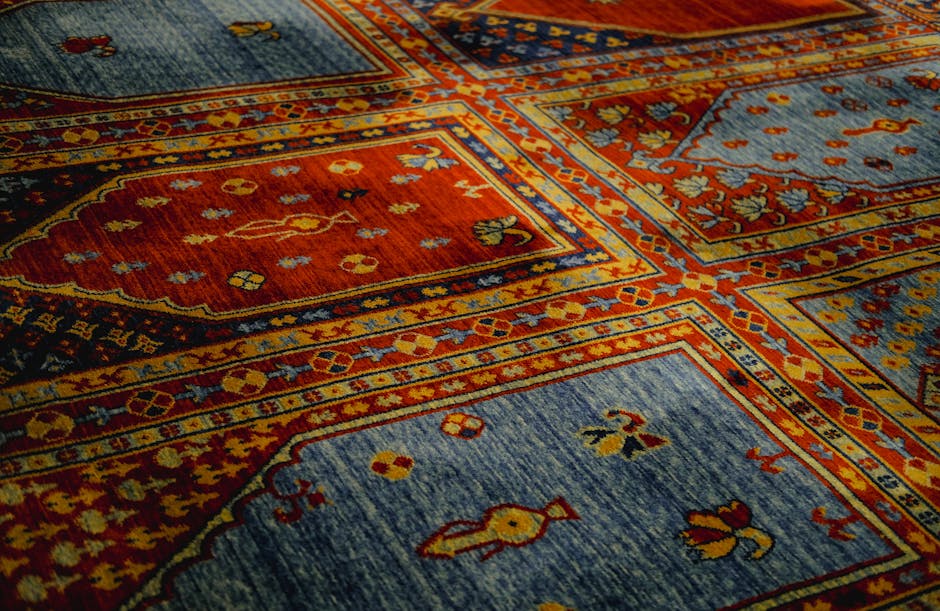
Rugs on carpet can be stylish, useful, and slightly rebellious. They can also bunch, slide, wrinkle, and create trip hazards if they are not paired with the right backing or gripper. This guide covers the simple fixes that keep rugs in place, protect the carpet underneath, and make the whole arrangement feel deliberate instead of improvised.
Step-by-step method
Identify the exact issue first instead of guessing. The right solution depends on the fibre, backing, and cause.
Work in a small test area before treating the whole spot or room.
Use the least aggressive method that is likely to work. Gentle treatment first, stronger methods only if needed.
Avoid over-wetting the carpet and avoid harsh scrubbing that can damage the pile.
Dry the area properly and inspect it again once fully dry, because some marks reappear as residue wicks up.
Call a professional if the issue has spread into the underlay, affected a large area, or involves expensive flooring.
Why the problem keeps coming back
Many carpet issues return because only the surface was treated. Residue in the pile, moisture in the backing, contamination in the underlay, or dust trapped at the edges can pull the same problem back into view. A complete fix usually means dealing with both what you can see and what the carpet has quietly tucked underneath.
Mistakes to avoid
Scrubbing hard enough to roughen the pile or spread the stain outward.
Using strongly coloured cloths that can transfer dye into the carpet.
Mixing random cleaning products and hoping chemistry will be in a good mood.
Leaving the area damp for too long, especially if the underlay may have absorbed moisture.
When to call a professional
Bring in a professional if the carpet is expensive, the affected area is large, the stain or smell has soaked into the underlay, there is repeated pest activity, or DIY attempts have already changed the texture or colour. Professional cleaners, fitters, and pest specialists have access to stronger equipment, better diagnostics, and the kind of experience that saves a lot of second-guessing.
Frequently asked questions
How to Stop a rug moving on carpet
Yes, in many cases it can be improved or solved completely, especially when you act quickly, use the correct method for the carpet type, and avoid over-wetting or over-scrubbing.
What should I test before treating the full area?
Test the cleaning product or method on a hidden section first. Check for colour loss, texture change, or damage to the backing.
How long should I wait before deciding whether it worked?
Wait until the carpet is fully dry. Many marks look lighter or darker while damp, and some residue only becomes obvious after drying.
Tools that usually help
For most carpet jobs, a small kit goes a long way: white microfibre cloths, paper towels, a spoon or blunt scraper, a vacuum with a clean head, lukewarm water, a plain spray bottle, and a carpet-safe detergent or specialist stain remover suited to the issue. A fan is useful for drying, and in odour cases an enzyme-based product can be more effective than a heavily perfumed cleaner because it targets the residue rather than trying to merely out-sing it.
How to protect the carpet afterwards
Once the area is clean and dry, avoid heavy traffic for a while and vacuum the surrounding space when everything has settled. Use entrance mats, rotate rugs, trim pet claws where appropriate, and deal with spills as soon as possible. Prevention is rarely glamorous, but it is the quiet hero in the cape. Good habits reduce repeat staining, odours, tracking, and wear, which means the carpet looks better and lasts longer.
Final thoughts
How to Stop a rug moving on carpet does not need panic, only a sensible plan. Start gently, work in stages, keep moisture under control, and dry the area properly before judging the result. If the issue is stubborn, widespread, or tied to the subfloor, underlay, or an active pest problem, professional help is often the fastest route to a genuinely clean and lasting finish.
A final practical tip: keep white cloths, paper towels, a blunt scraper, and a small spray bottle ready in a cupboard. Most carpet emergencies are easier to handle when you do not spend the first ten minutes rummaging for supplies while the stain settles in like an unwanted tenant.
How to Remove carpet stains is one of those household questions that tends to arrive without an appointment. One minute the carpet is behaving itself, the next it is wearing a fresh mark, smell, dent, or mystery patch like an unwanted badge. The good news is that most carpet problems can be improved, and many can be solved completely, with a calm approach, the right tools, and a little patience.
Installation jobs are less about brute force and more about accurate measuring, careful cutting, and tidy sequencing. A carpet can look luxurious or lumpy depending on the planning that happens before it is even rolled out. In the steps below, you will find a plain-English process that helps you avoid wasted material, loose edges, visible joins, and the kind of fitting errors that creak at you for months.
Step-by-step method
Measure the room carefully at the widest and longest points, allowing for alcoves, doorways, and a small cutting margin.
Check the subfloor before fitting. It should be clean, dry, sound, and level. Deal with squeaks, damp, and protruding fixings first.
Install grippers and underlay in the correct order for the space. Good preparation does more for the final feel than most people realise.
Plan the pile direction and joins before cutting. Poor planning can make seams visible or change the way light hits the carpet.
Trim gradually rather than taking too much in one cut. A careful shave beats an accidental haircut every time.
Stretch and secure the carpet properly so it sits flat, tight, and smooth without ripples or loose edges.
Before you start
Check tools, carpet direction, doorway heights, skirting condition, and the state of the subfloor before making the first cut. Many fitting headaches begin earlier than people think. A dry, clean, level base and accurate measurements give the whole job a calmer rhythm and reduce waste.
Mistakes to avoid
Measuring only the visible floor and forgetting recesses, thresholds, or turning points on stairs.
Cutting too aggressively instead of trimming gradually.
Skipping subfloor preparation and hoping the carpet will hide every sin below it.
Underestimating how much a poor stretch or badly planned join affects the finished look.
When to call a professional
Bring in a professional if the carpet is expensive, the affected area is large, the stain or smell has soaked into the underlay, there is repeated pest activity, or DIY attempts have already changed the texture or colour. Professional cleaners, fitters, and pest specialists have access to stronger equipment, better diagnostics, and the kind of experience that saves a lot of second-guessing.
Frequently asked questions
How to Remove carpet stains
Yes, in many cases it can be improved or solved completely, especially when you act quickly, use the correct method for the carpet type, and avoid over-wetting or over-scrubbing.
What should I test before treating the full area?
Test the cleaning product or method on a hidden section first. Check for colour loss, texture change, or damage to the backing.
How long should I wait before deciding whether it worked?
Wait until the carpet is fully dry. Many marks look lighter or darker while damp, and some residue only becomes obvious after drying.
Tools that usually help
For most carpet jobs, a small kit goes a long way: white microfibre cloths, paper towels, a spoon or blunt scraper, a vacuum with a clean head, lukewarm water, a plain spray bottle, and a carpet-safe detergent or specialist stain remover suited to the issue. A fan is useful for drying, and in odour cases an enzyme-based product can be more effective than a heavily perfumed cleaner because it targets the residue rather than trying to merely out-sing it.
How to protect the carpet afterwards
Once the area is clean and dry, avoid heavy traffic for a while and vacuum the surrounding space when everything has settled. Use entrance mats, rotate rugs, trim pet claws where appropriate, and deal with spills as soon as possible. Prevention is rarely glamorous, but it is the quiet hero in the cape. Good habits reduce repeat staining, odours, tracking, and wear, which means the carpet looks better and lasts longer.
Final thoughts
How to Remove carpet stains does not need panic, only a sensible plan. Start gently, work in stages, keep moisture under control, and dry the area properly before judging the result. If the issue is stubborn, widespread, or tied to the subfloor, underlay, or an active pest problem, professional help is often the fastest route to a genuinely clean and lasting finish.
A final practical tip: keep white cloths, paper towels, a blunt scraper, and a small spray bottle ready in a cupboard. Most carpet emergencies are easier to handle when you do not spend the first ten minutes rummaging for supplies while the stain settles in like an unwanted tenant.
Choosing the right carpet for your stairs is one of the most important decisions you’ll make when carpeting your home. Stairs endure significant wear and tear, require specific safety considerations, and serve as a visual centrepiece connecting different levels of your property. Whether you’re renovating a period property in Benenden or updating a modern home in Tunbridge Wells, understanding the unique demands of stair carpeting will help you make an informed choice that balances durability, safety, and aesthetic appeal.
Understanding the Unique Demands of Stair Carpets
Stairs present challenges unlike any other area in your home. Every step you take concentrates pressure on the edge of each tread, creating wear patterns that can quickly deteriorate unsuitable carpets. The combination of horizontal treads and vertical risers means your carpet must be flexible enough to conform to these angles while remaining securely fitted to prevent dangerous slipping or tripping hazards.
In homes across Kent and East Sussex, where many properties feature traditional staircases with intricate woodwork or modern open-plan designs, the carpet you choose becomes both a functional necessity and a design statement. The right choice can enhance architectural features, reduce noise transmission between floors, and provide cushioning that makes navigating stairs safer and more comfortable for all family members.
Consider that your stair carpet will likely receive more foot traffic than any other carpeted area in your home. Every journey between floors, multiple times daily for years, means these surfaces need exceptional resilience. Unlike living room carpets where weight distributes evenly, stair treads experience concentrated impact at their edges, demanding materials specifically engineered for this purpose.
Selecting the Right Carpet Material and Construction
The material composition of your stair carpet directly impacts its longevity and performance. Wool remains the premium choice for stairs, offering natural resilience, excellent dirt resistance, and the ability to recover from compression. An 80/20 wool-nylon blend combines wool’s luxurious feel with nylon’s exceptional durability, creating an ideal solution for high-traffic stair applications.
For households with active families or pets, 100% nylon carpets provide outstanding wear resistance and stain protection. Modern nylon fibres have evolved considerably, offering softness that rivals natural materials while maintaining superior strength. Polypropylene represents a budget-friendly alternative, though it may not provide the same longevity as wool or nylon for heavily-used staircases.
Carpet construction matters tremendously for stairs. Twist pile carpets, where fibres are tightly twisted together, excel at hiding footprints and maintaining their appearance under constant use. Loop pile constructions offer excellent durability but can snag on shoes or pet claws. Cut and loop combinations provide textural interest while delivering good performance, though plain twist piles generally prove most practical for stairs.
Pay close attention to pile density and weight. A dense, tightly-packed pile will resist crushing and wear far better than a looser construction. For stairs, look for carpets with a pile weight of at least 40 ounces per square yard and a density rating above 3,000. These specifications ensure your carpet maintains its appearance and structural integrity despite the concentrated traffic patterns unique to staircases.
Safety Considerations for Stair Carpets
Safety must be your primary concern when selecting stair carpet. According to health authorities, falls on stairs represent a significant cause of home injuries, making proper carpet selection and installation critical for household safety. The right carpet provides traction underfoot, reducing slip risks while cushioning any potential falls.
Choose carpets with a low to medium pile height for stairs. While plush, deep-pile carpets feel luxurious underfoot in bedrooms, they create instability on stairs where secure footing is essential. A pile height between 8mm and 12mm offers the optimal balance between comfort and safety, providing cushioning without compromising stability.
Colour and pattern play unexpected safety roles. Very dark or very light solid colours can make it difficult to distinguish individual stair edges, increasing trip risks, particularly for elderly residents or those with visual impairments. Patterns, subtle variations, or mid-tone colours help define each step clearly, improving depth perception as you navigate the staircase.
The carpet underlay beneath your stair carpet deserves careful consideration. Stair-specific underlays typically have higher density than those used on flat floors, providing stability while offering cushioning. Never use thick, soft underlays on stairs, as they can create a spongy surface that compromises footing and makes the carpet more likely to shift or wrinkle.
Colour, Pattern, and Style Selection
Your stair carpet significantly influences your home’s overall aesthetic, serving as a vertical design element visible from multiple vantage points. In properties throughout Cranbrook, Hawkhurst, and surrounding areas, stair carpets often bridge different flooring types between levels, requiring thoughtful coordination with adjacent spaces.
Neutral tones offer timeless versatility, complementing various décor styles while minimising the visual impact of inevitable wear and soiling. Greys, beiges, and taupes remain perennially popular, providing sophisticated backgrounds that won’t overwhelm period features or compete with statement décor elements. These shades work particularly well in homes with abundant natural light, common in rural Kent and Sussex properties.
Consider how your stair carpet relates to adjacent floor coverings. If your hallway features carpet, a complementary rather than identical choice for stairs can create sophisticated definition between spaces. When stairs connect carpeted upper floors with hard flooring below, selecting a stair carpet that bridges these materials through colour coordination creates cohesive visual flow throughout your home.
Practical Considerations for Installation and Maintenance
Professional installation is essential for stair carpets. Unlike flat floor areas where minor fitting imperfections may go unnoticed, stairs require precise measurement, cutting, and securing to ensure safety and longevity. Poorly fitted stair carpet can create dangerous trip hazards, void warranties, and fail prematurely due to inadequate tension or incorrect underlay.
Stair width influences both carpet requirements and installation approaches. Standard straight staircases present the most straightforward installation, whilst winding stairs, landings, and curved designs require additional expertise and material to accommodate complex angles. Measuring for stair carpet involves calculating both tread and riser dimensions, allowing for wastage where pattern matching or pile direction requires specific orientation.
Maintenance accessibility deserves consideration. Stairs that connect heavily-used areas benefit from carpets with superior stain resistance and cleaning tolerance. Many modern carpets feature stain-protection treatments that repel spills and simplify spot cleaning. However, these treatments vary in effectiveness and longevity, with solution-dyed fibres offering more permanent protection than topical applications.
Budget for long-term maintenance when selecting your stair carpet. While premium materials command higher initial costs, their extended lifespan and superior appearance retention often prove more economical over time than replacing budget options more frequently. Regular vacuuming, prompt stain treatment, and periodic professional cleaning will maximise your investment regardless of the carpet grade you choose.
Making Your Final Decision
Bringing together all these considerations requires balancing competing priorities. Begin by establishing your non- negotiables: budget limits, essential safety features, and any specific aesthetic requirements. From there, prioritise durability and material quality, recognising that stairs represent a long-term investment where quality genuinely matters.
Request samples and view them in your actual staircase environment. Carpet appearance varies dramatically depending on lighting conditions, adjacent colours, and viewing angles. What looks perfect in a showroom may appear entirely different in your home’s specific context. Observe samples at different times of day to understand how natural and artificial light affects colour and texture perception.
Don’t hesitate to seek professional guidance. Experienced carpet specialists understand the specific demands of different stair configurations and can recommend solutions tailored to your household’s unique requirements. They can identify potential challenges in your particular staircase and suggest appropriate solutions before installation begins.
Consider your household’s evolution. Young families might prioritise stain resistance and budget-consciousness, knowing carpets may need updating as children grow. Empty-nesters might invest in premium materials for lasting elegance. Pet owners require snag-resistant constructions and superior stain protection. Aligning your carpet choice with your lifestyle ensures satisfaction throughout its lifespan.
Conclusion
Choosing carpet for stairs demands more attention than selecting floor coverings for any other area of your home. The unique combination of safety requirements, intense wear patterns, and prominent visual impact means your decision influences both your home’s functionality and aesthetic appeal. By prioritising appropriate materials, focusing on safety features, and selecting colours and patterns that suit your lifestyle whilst concealing wear, you’ll find a stair carpet that performs beautifully for years to come.
Whether you’re carpeting a historic property in Sissinghurst or a contemporary home in Royal Tunbridge Wells, the principles remain consistent: quality materials, expert installation, and thoughtful selection based on your specific circumstances create results that enhance your daily life. At The Fitted Carpet Company, we help homeowners throughout Kent and East Sussex navigate these decisions, ensuring their stair carpets deliver safety, durability, and style that truly turns houses into homes. For those considering the financial aspects, a complete guide to carpet fitting cost in East Sussex can provide valuable insights, and you might even find options for cheap carpet installation in East Sussex without compromising on quality.
Looking for carpet in Tunbridge Wells? Discover why The Fitted Carpet Company is a trusted local choice for carpet advice, supply and fitting across Kent and East Sussex.
How to Measure carpet for stairs is one of those household questions that tends to arrive without an appointment. One minute the carpet is behaving itself, the next it is wearing a fresh mark, smell, dent, or mystery patch like an unwanted badge. The good news is that most carpet problems can be improved, and many can be solved completely, with a calm approach, the right tools, and a little patience.
Installation jobs are less about brute force and more about accurate measuring, careful cutting, and tidy sequencing. A carpet can look luxurious or lumpy depending on the planning that happens before it is even rolled out. In the steps below, you will find a plain-English process that helps you avoid wasted material, loose edges, visible joins, and the kind of fitting errors that creak at you for months.
Step-by-step method
Measure the room carefully at the widest and longest points, allowing for alcoves, doorways, and a small cutting margin.
Check the subfloor before fitting. It should be clean, dry, sound, and level. Deal with squeaks, damp, and protruding fixings first.
Install grippers and underlay in the correct order for the space. Good preparation does more for the final feel than most people realise.
Plan the pile direction and joins before cutting. Poor planning can make seams visible or change the way light hits the carpet.
Trim gradually rather than taking too much in one cut. A careful shave beats an accidental haircut every time.
Stretch and secure the carpet properly so it sits flat, tight, and smooth without ripples or loose edges.
Before you start
Check tools, carpet direction, doorway heights, skirting condition, and the state of the subfloor before making the first cut. Many fitting headaches begin earlier than people think. A dry, clean, level base and accurate measurements give the whole job a calmer rhythm and reduce waste.
Mistakes to avoid
Measuring only the visible floor and forgetting recesses, thresholds, or turning points on stairs.
Cutting too aggressively instead of trimming gradually.
Skipping subfloor preparation and hoping the carpet will hide every sin below it.
Underestimating how much a poor stretch or badly planned join affects the finished look.
When to call a professional
Bring in a professional if the carpet is expensive, the affected area is large, the stain or smell has soaked into the underlay, there is repeated pest activity, or DIY attempts have already changed the texture or colour. Professional cleaners, fitters, and pest specialists have access to stronger equipment, better diagnostics, and the kind of experience that saves a lot of second-guessing.
Frequently asked questions
How to Measure carpet for stairs
Yes, in many cases it can be improved or solved completely, especially when you act quickly, use the correct method for the carpet type, and avoid over-wetting or over-scrubbing.
What should I test before treating the full area?
Test the cleaning product or method on a hidden section first. Check for colour loss, texture change, or damage to the backing.
How long should I wait before deciding whether it worked?
Wait until the carpet is fully dry. Many marks look lighter or darker while damp, and some residue only becomes obvious after drying.
Tools that usually help
For most carpet jobs, a small kit goes a long way: white microfibre cloths, paper towels, a spoon or blunt scraper, a vacuum with a clean head, lukewarm water, a plain spray bottle, and a carpet-safe detergent or specialist stain remover suited to the issue. A fan is useful for drying, and in odour cases an enzyme-based product can be more effective than a heavily perfumed cleaner because it targets the residue rather than trying to merely out-sing it.
How to protect the carpet afterwards
Once the area is clean and dry, avoid heavy traffic for a while and vacuum the surrounding space when everything has settled. Use entrance mats, rotate rugs, trim pet claws where appropriate, and deal with spills as soon as possible. Prevention is rarely glamorous, but it is the quiet hero in the cape. Good habits reduce repeat staining, odours, tracking, and wear, which means the carpet looks better and lasts longer.
Final thoughts
How to Measure carpet for stairs does not need panic, only a sensible plan. Start gently, work in stages, keep moisture under control, and dry the area properly before judging the result. If the issue is stubborn, widespread, or tied to the subfloor, underlay, or an active pest problem, professional help is often the fastest route to a genuinely clean and lasting finish.
A final practical tip: keep white cloths, paper towels, a blunt scraper, and a small spray bottle ready in a cupboard. Most carpet emergencies are easier to handle when you do not spend the first ten minutes rummaging for supplies while the stain settles in like an unwanted tenant.
When it comes to transforming your home or business with truly exceptional flooring, luxury carpet brands offer unparalleled quality, craftsmanship, and aesthetic appeal. For residents and commercial property owners across Kent and East Sussex, selecting the right premium carpet represents an investment in comfort, style, and lasting value that will enhance your space for years to come.
The Fitted Carpet Company specializes in supplying and expertly fitting luxury carpets throughout Kent and Sussex, bringing together the world’s finest carpet manufacturers with professional installation that ensures your investment looks spectacular from day one. Whether you’re renovating a period property in Sissinghurst, updating a modern home in Headcorn, or specifying carpets for a commercial project in Wadhurst, understanding the landscape of luxury carpet brands helps you make an informed choice that perfectly suits your needs.
What Defines a Luxury Carpet Brand
Luxury carpet brands distinguish themselves through several key characteristics that set them apart from standard offerings. The finest manufacturers use premium materials including New Zealand wool, pure silk, and innovative synthetic fibers engineered to exceptional standards. These materials are sourced with care, often from specific regions known for producing the highest quality natural fibers.
Craftsmanship represents another hallmark of luxury brands. Many premium carpets are still manufactured using traditional techniques that have been refined over generations, with skilled artisans overseeing production to ensure every piece meets exacting standards. The construction methods employed—whether Axminster, Wilton, hand-tufted, or hand-knotted—significantly impact the carpet’s appearance, feel, and durability.
Design excellence also defines luxury carpet brands. Leading manufacturers work with renowned designers and maintain in-house design studios that create patterns and textures you simply won’t find elsewhere. From classic designs that complement Georgian properties in Penshurst to contemporary creations perfect for modern developments in Marden, luxury brands offer sophisticated options that elevate any interior scheme.
Durability and performance complete the luxury carpet proposition. These carpets are engineered to maintain their appearance and structural integrity for decades, making them genuinely cost-effective over their lifespan despite higher initial investment. For high-traffic commercial environments or busy family homes across Sandhurst, Benenden, or Robertsbridge, this longevity proves invaluable.
Leading Luxury Carpet Brands Available in Kent
Several prestigious carpet manufacturers stand at the pinnacle of the industry, each bringing unique strengths and specialties to the market.
Axminster Carpets represents British carpet manufacturing heritage at its finest. This Devon-based company has been producing premium carpets since 1755, combining traditional craftsmanship with modern innovation. Their Axminster and gripper Wilton carpets are renowned for rich colors, intricate patterns, and exceptional durability. Their collection includes everything from traditional designs suitable for heritage properties in Lamberhurst to contemporary patterns perfect for modern homes.
Wilton Carpets delivers timeless elegance through their extensive ranges. Known for subtle textures and sophisticated colorways, Wilton carpets work beautifully in both residential and commercial settings. Their manufacturing expertise ensures carpets that feel luxurious underfoot while standing up to daily wear in family homes throughout Goudhurst, Ticehurst, and surrounding villages.
Brintons has been crafting quality carpets since 1783, earning a reputation for innovation alongside tradition. Their collaboration with leading designers produces carpets that push creative boundaries while maintaining the performance standards demanded by luxury hotels, stately homes, and discerning homeowners. Brintons offers particular strength in custom carpet design for those seeking truly unique flooring solutions.
Crucial Trading brings a different approach to luxury, specializing in natural floor coverings including sisal, seagrass, jute, and wool. Their textured, tactile carpets have become increasingly popular in both contemporary and country homes across Kent, offering understated elegance and sustainability credentials that appeal to environmentally conscious clients.
Alternative Flooring provides creative, artistic carpet designs that make a statement. Their collaborations with artists and designers result in carpets that function as floor art, perfect for clients in Bodiam, Northiam, or Hurst Green looking to create distinctive interiors that reflect personal style.
Choosing the Right Luxury Carpet for Your Kent Property
Room function plays a crucial role in carpet selection. Bedrooms benefit from plush, soft carpets that feel wonderful underfoot first thing in the morning, while living areas need more resilient fibers that maintain appearance despite heavy use. Hallways and stairs demand exceptional durability, making tightly woven Wilton or Axminster constructions ideal. For commercial clients across Ewhurst Green or Etchingham, performance ratings and maintenance requirements become paramount considerations.
Interior style significantly influences which luxury brands and collections work best. Period properties with traditional architecture often suit classic designs from heritage manufacturers, while contemporary homes benefit from modern patterns and textures. The Fitted Carpet Company’s experience working across Kent’s diverse property types—from timber-framed houses in Biddenden to Victorian villas in Horsmonden—means we can guide clients toward carpets that enhance their property’s character.
Color selection impacts how spaces feel and function. Lighter shades create airy, spacious atmospheres ideal for smaller rooms, while deeper tones add warmth and intimacy to larger spaces. Practical considerations matter too—in family homes throughout Flimwell, Burwash, or Mountfield, mid-tones and patterns often prove more forgiving than pure whites or very dark shades.
Texture influences both aesthetics and practicality. Smooth velvets create formal elegance, while textured loops or twists add casual comfort and hide footprints effectively. Loop pile carpets work wonderfully in busy areas, whereas cut piles deliver ultimate softness where comfort takes priority.
Underlay selection, though often overlooked, significantly impacts how luxury carpet performs and feels. Premium underlay enhances comfort, improves insulation, and extends carpet life by providing proper support. The Fitted Carpet Company recommends quality underlay for all luxury carpet installations to protect your investment.
The Commercial Advantage of Luxury Carpet Brands
For commercial clients across Kent and East Sussex, luxury carpet brands offer specific advantages that justify premium investment. Contract-grade carpets from leading manufacturers deliver the durability required in high-traffic environments while maintaining aesthetic appeal that reflects positively on your business.
Hotels, restaurants, offices, and retail spaces benefit from carpets engineered for intensive use. These commercial-grade products undergo rigorous testing to ensure they withstand constant traffic, frequent cleaning, and the demands of public spaces. Luxury manufacturers offer extensive warranties and performance guarantees that provide peace of mind for property managers and business owners.
Design flexibility represents another commercial advantage. Many luxury brands offer custom design services, creating bespoke carpets that incorporate brand colors, logos, or specific patterns. For businesses in Rolvenden, Staplehurst, or Woodchurch looking to create distinctive interiors, this customization capability proves invaluable.
Maintenance considerations matter significantly in commercial settings. Premium carpets are typically treated with advanced stain protection and soil resistance technologies, reducing cleaning costs and maintaining appearance between professional cleanings. The lifecycle cost of luxury commercial carpet often compares favorably with cheaper alternatives that require more frequent replacement.
Professional Installation Makes the Difference
Even the finest luxury carpet won’t perform optimally without expert installation. The Fitted Carpet Company’s professional fitting service ensures your premium carpet looks perfect and lasts longer through meticulous attention to detail at every stage.
Proper subfloor preparation creates the foundation for successful carpet installation. Our fitters assess and address any issues before laying underlay and carpet, ensuring smooth, even surfaces that prevent premature wear. This preparation proves particularly important in older properties throughout Frittenden, Bethersden, and Appledore, where floor irregularities may require attention.
Precise measuring and cutting minimize waste while ensuring perfect fit. Luxury carpets represent significant investment, making accurate calculations essential. Our experienced team measures carefully, accounting for room features, pattern matching requirements, and seam placement to achieve seamless results.
Seam placement and execution require skill developed through years of practice. The best fitters position seams in low-traffic areas and ensure joins are virtually invisible, maintaining the carpet’s visual integrity. For large rooms or open-plan spaces in properties around Brede, Beckley, or Peasmarsh, expert seaming makes the difference between good and exceptional results.
Finishing details including neat edging, secure fixings, and proper tensioning complete professional installation. These final steps ensure your luxury carpet looks immaculate and performs reliably for years ahead.
Caring for Your Luxury Carpet Investment
Proper maintenance protects your investment in luxury carpet and keeps it looking beautiful throughout its lifespan. Regular vacuuming removes dirt particles before they work into carpet fibers and cause abrasive damage. For best results, vacuum high-traffic areas several times weekly and other areas at least weekly.
Prompt attention to spills prevents permanent staining. Blot liquids immediately with clean, absorbent cloths, working from the outside inward to prevent spread. Avoid rubbing, which can damage fibers and set stains deeper. Keep manufacturer-approved cleaning products on hand for specific stain types.
Professional cleaning every twelve to eighteen months removes embedded soil and refreshes carpet appearance. The cleaning method should match your carpet type—some luxury carpets require dry cleaning rather than wet extraction. The Fitted Carpet Company can recommend appropriate cleaning services familiar with premium carpet care.
Protection measures including entrance mats, furniture pads, and reasonable foot traffic patterns help luxury carpets maintain their appearance. In commercial settings across Sedlescombe, Brightling, or Stonegate, strategic mat placement and regular maintenance schedules preserve carpet investment.
Conclusion
Luxury carpet brands offer Kent and East Sussex residents and businesses the opportunity to invest in flooring that combines beauty, comfort, and lasting performance. From heritage manufacturers crafting traditional designs to contemporary brands pushing creative boundaries, the luxury carpet market provides options for every aesthetic preference and functional requirement. The Fitted Carpet Company brings these premium products together with expert advice and professional installation, ensuring your luxury carpet investment delivers satisfaction for years to come. Whether you’re enhancing a home in Mayfield, upgrading commercial premises in Yalding, or renovating a property in Brenchley, Matfield, Speldhurst, Groombridge, Chiddingstone, Pluckley, Smarden, or Wye, quality carpets expertly fitted transform spaces into something truly special.
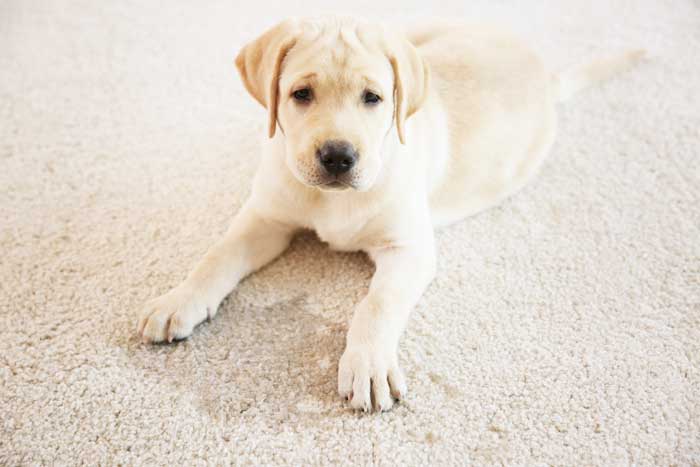
How to Get dried dog pee out of carpet is one of those household questions that tends to arrive without an appointment. One minute the carpet is behaving itself, the next it is wearing a fresh mark, smell, dent, or mystery patch like an unwanted badge. The good news is that most carpet problems can be improved, and many can be solved completely, with a calm approach, the right tools, and a little patience.
When the issue involves pets or odours, you need to treat both the visible mess and the invisible residue. If smell molecules are left behind, the problem often comes back even when the carpet looks clean on the surface. Below you will find a practical method, prevention tips, and signs that the underlay or subfloor may need attention as well.
Step-by-step method
Start by removing loose debris. Vacuum gently or lift solids with a spoon, blunt knife, or paper towel. Avoid pressing the mess deeper into the fibres.
Blot with white paper towels or a clean white cloth. Work from the outside of the mark toward the centre so the affected area does not spread.
Test any cleaning solution on a hidden corner first. Different carpets react differently, and a colour change is much harder to fix than the original stain.
Use small amounts of solution rather than flooding the carpet. Too much moisture can push residue into the backing or underlay and create a second problem.
Rinse lightly with clean water after treatment and blot again. Leaving product in the pile often attracts dirt and can make the patch look worse later.
Dry thoroughly with airflow. Open windows, use a fan, and avoid foot traffic until the carpet is fully dry.
Why the problem keeps coming back
Many carpet issues return because only the surface was treated. Residue in the pile, moisture in the backing, contamination in the underlay, or dust trapped at the edges can pull the same problem back into view. A complete fix usually means dealing with both what you can see and what the carpet has quietly tucked underneath.
Mistakes to avoid
Scrubbing hard enough to roughen the pile or spread the stain outward.
Using strongly coloured cloths that can transfer dye into the carpet.
Mixing random cleaning products and hoping chemistry will be in a good mood.
Leaving the area damp for too long, especially if the underlay may have absorbed moisture.
When to call a professional
Bring in a professional if the carpet is expensive, the affected area is large, the stain or smell has soaked into the underlay, there is repeated pest activity, or DIY attempts have already changed the texture or colour. Professional cleaners, fitters, and pest specialists have access to stronger equipment, better diagnostics, and the kind of experience that saves a lot of second-guessing.
Frequently asked questions
How to Get dried dog pee out of carpet
Yes, in many cases it can be improved or solved completely, especially when you act quickly, use the correct method for the carpet type, and avoid over-wetting or over-scrubbing.
What should I test before treating the full area?
Test the cleaning product or method on a hidden section first. Check for colour loss, texture change, or damage to the backing.
How long should I wait before deciding whether it worked?
Wait until the carpet is fully dry. Many marks look lighter or darker while damp, and some residue only becomes obvious after drying.
Tools that usually help
For most carpet jobs, a small kit goes a long way: white microfibre cloths, paper towels, a spoon or blunt scraper, a vacuum with a clean head, lukewarm water, a plain spray bottle, and a carpet-safe detergent or specialist stain remover suited to the issue. A fan is useful for drying, and in odour cases an enzyme-based product can be more effective than a heavily perfumed cleaner because it targets the residue rather than trying to merely out-sing it.
How to protect the carpet afterwards
Once the area is clean and dry, avoid heavy traffic for a while and vacuum the surrounding space when everything has settled. Use entrance mats, rotate rugs, trim pet claws where appropriate, and deal with spills as soon as possible. Prevention is rarely glamorous, but it is the quiet hero in the cape. Good habits reduce repeat staining, odours, tracking, and wear, which means the carpet looks better and lasts longer.
Final thoughts
How to Get dried dog pee out of carpet does not need panic, only a sensible plan. Start gently, work in stages, keep moisture under control, and dry the area properly before judging the result. If the issue is stubborn, widespread, or tied to the subfloor, underlay, or an active pest problem, professional help is often the fastest route to a genuinely clean and lasting finish.
A final practical tip: keep white cloths, paper towels, a blunt scraper, and a small spray bottle ready in a cupboard. Most carpet emergencies are easier to handle when you do not spend the first ten minutes rummaging for supplies while the stain settles in like an unwanted tenant.
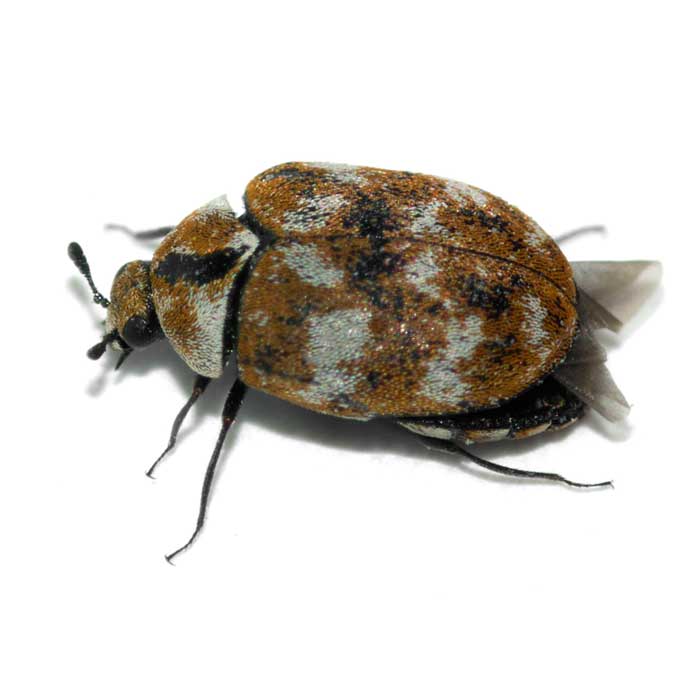
What are carpet beetles is one of those household questions that tends to arrive without an appointment. One minute the carpet is behaving itself, the next it is wearing a fresh mark, smell, dent, or mystery patch like an unwanted badge. The good news is that most carpet problems can be improved, and many can be solved completely, with a calm approach, the right tools, and a little patience.
Carpet pests are small enough to hide and annoying enough to feel enormous once you notice them. Some are merely a nuisance, while others can damage natural fibres, shed skins, and turn stored fabrics into lunch. This guide explains how to identify the problem, what usually causes it, how to treat it safely, and when repeated activity suggests a deeper infestation.
Step-by-step method
Confirm the pest before treating it. Carpet beetles, moths, fleas, and harmless lookalikes require different approaches.
Vacuum edges, skirting lines, under furniture, wardrobes, and vents thoroughly. Many pests favour dark, undisturbed areas rather than the middle of the room.
Wash or heat-treat nearby textiles such as throws, curtains, wool jumpers, and rugs if they could be involved.
Reduce food sources. Natural fibres, lint, hair, dead insects, and stored fabrics can all support repeat activity.
Apply a treatment that matches the pest and always follow the product label. In heavy cases, arrange professional pest control.
Repeat inspection after a few weeks. Eggs and larvae can turn a one-off clean into a recurring soap opera if you stop too early.
What to look for
Adult carpet beetles are often seen near windows, while the larvae are the ones that cause most textile damage. Larvae are bristly, slow-moving, and fond of natural fibres, lint, hair, feathers, and dead insects.
Finding a few adults does not always mean disaster, but repeated sightings, cast skins, or damage to wool, silk, or stored clothing suggest a real source nearby.
Mistakes to avoid
Ignoring wardrobes, skirting edges, and stored textiles while only treating the middle of the room.
Stopping treatment after seeing fewer insects instead of confirming the lifecycle has been broken.
Confusing adult sightings with the main source and missing larvae or eggs elsewhere.
Relying on fragrance or surface spraying instead of proper cleaning and monitoring.
When to call a professional
Bring in a professional if the carpet is expensive, the affected area is large, the stain or smell has soaked into the underlay, there is repeated pest activity, or DIY attempts have already changed the texture or colour. Professional cleaners, fitters, and pest specialists have access to stronger equipment, better diagnostics, and the kind of experience that saves a lot of second-guessing.
Frequently asked questions
Will pests come back after treatment?
They can if eggs, larvae, or untreated textiles remain. Follow-up cleaning, inspection, and prevention are important parts of the job.
What should I test before treating the full area?
Test the cleaning product or method on a hidden section first. Check for colour loss, texture change, or damage to the backing.
How long should I wait before deciding whether it worked?
Wait until the carpet is fully dry. Many marks look lighter or darker while damp, and some residue only becomes obvious after drying.
Tools that usually help
For most carpet jobs, a small kit goes a long way: white microfibre cloths, paper towels, a spoon or blunt scraper, a vacuum with a clean head, lukewarm water, a plain spray bottle, and a carpet-safe detergent or specialist stain remover suited to the issue. A fan is useful for drying, and in odour cases an enzyme-based product can be more effective than a heavily perfumed cleaner because it targets the residue rather than trying to merely out-sing it.
How to protect the carpet afterwards
Once the area is clean and dry, avoid heavy traffic for a while and vacuum the surrounding space when everything has settled. Use entrance mats, rotate rugs, trim pet claws where appropriate, and deal with spills as soon as possible. Prevention is rarely glamorous, but it is the quiet hero in the cape. Good habits reduce repeat staining, odours, tracking, and wear, which means the carpet looks better and lasts longer.
Final thoughts
What are carpet beetles does not need panic, only a sensible plan. Start gently, work in stages, keep moisture under control, and dry the area properly before judging the result. If the issue is stubborn, widespread, or tied to the subfloor, underlay, or an active pest problem, professional help is often the fastest route to a genuinely clean and lasting finish.
A final practical tip: keep white cloths, paper towels, a blunt scraper, and a small spray bottle ready in a cupboard. Most carpet emergencies are easier to handle when you do not spend the first ten minutes rummaging for supplies while the stain settles in like an unwanted tenant.
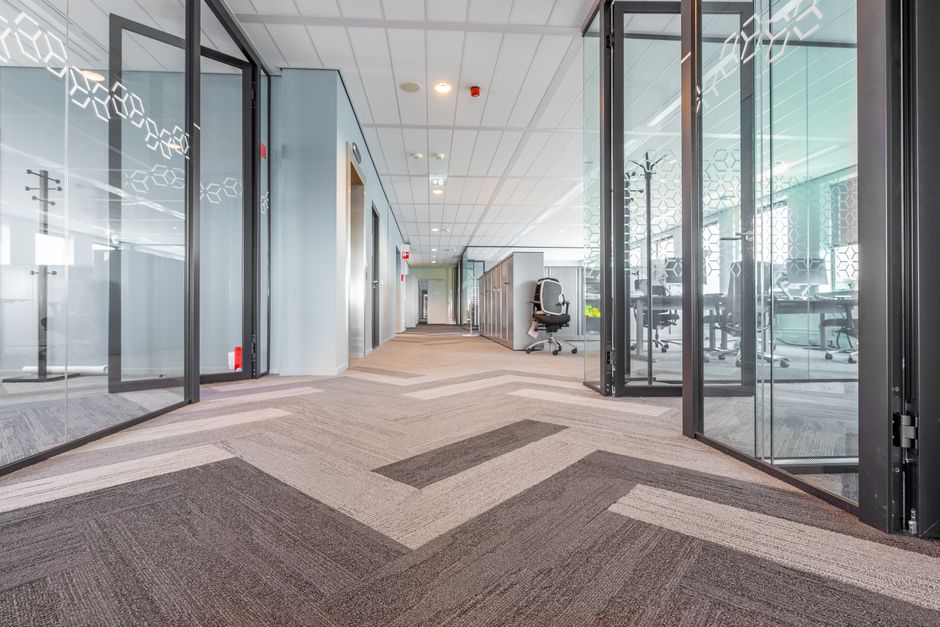
Selecting the right flooring for commercial office spaces in Kent requires careful consideration of durability, aesthetics, maintenance requirements, and budget. As businesses across Kent and East Sussex continue to evolve their workplace environments in 2026, carpet remains one of the most popular and practical flooring solutions for professional settings. From established offices in Tunbridge Wells to growing businesses in Headcorn and Marden, the right carpet choice can transform a workspace while delivering long-term value.
The Fitted Carpet Company has been helping commercial clients throughout Kent and East Sussex create professional, comfortable office environments with expertly fitted carpeting. Understanding the unique demands of commercial spaces—from high foot traffic in reception areas to quiet comfort in executive offices—is essential for making an informed flooring decision that serves your business for years to come.
Why Choose Carpet for Commercial Office Spaces
Carpet offers numerous advantages for commercial office environments that hard flooring simply cannot match. The acoustic benefits alone make carpet an invaluable asset in busy office settings where noise reduction is crucial for productivity. Carpet absorbs sound, reducing echoes and creating a quieter, more focused work environment that employees appreciate.
Beyond acoustics, carpet provides thermal insulation that helps regulate office temperature, potentially reducing heating costs during Kent’s colder months. This energy efficiency consideration has become increasingly important for businesses looking to reduce their environmental footprint and operational expenses. The cushioning effect of carpet also reduces fatigue for employees who spend long hours on their feet, contributing to overall workplace wellbeing.
From a design perspective, carpet offers unmatched versatility. Whether you’re creating a traditional professional atmosphere or a modern, creative workspace, carpet comes in countless colours, patterns, and textures to align with your brand identity. Businesses across Staplehurst, Benenden, and throughout the region have discovered how the right carpet selection can reinforce corporate culture and impress clients from the moment they enter your offices.
Understanding Commercial Carpet Specifications
Commercial-grade carpets differ significantly from residential options, engineered specifically to withstand the demands of high-traffic business environments. The wear rating system helps determine whether a carpet is suitable for your specific office needs. Heavy commercial carpets are designed for areas with constant foot traffic such as corridors and reception areas, while general commercial grades work well in individual offices and meeting rooms.
Pile construction plays a crucial role in both appearance and durability. Loop pile carpets, where yarn loops remain uncut, offer exceptional durability and are ideal for high-traffic areas. Cut pile carpets provide a softer, more luxurious feel appropriate for executive offices and client-facing spaces. Combination styles blend these approaches, offering both resilience and aesthetic appeal.
The backing material and underlay selection significantly impact carpet performance and longevity. Commercial carpets typically feature robust backing systems designed to prevent stretching and buckling under heavy use. Quality underlay provides additional cushioning, extends carpet life, and enhances the acoustic and thermal properties that make carpet such an effective office flooring solution.
Fibre choice matters tremendously in commercial settings. Nylon remains the most popular option due to its exceptional durability and resilience. Polypropylene offers excellent stain resistance at a lower price point, making it suitable for budget-conscious installations. Wool blends provide natural luxury and environmental benefits, appealing to businesses prioritising sustainability and premium aesthetics.
Maintenance and Longevity Considerations
Understanding maintenance requirements before installation ensures your commercial carpet investment delivers maximum value over time. Modern commercial carpets feature advanced stain-resistant treatments that repel spills and make cleaning simpler, but establishing a proper maintenance routine remains essential for preserving appearance and extending carpet life.
Regular vacuuming forms the foundation of any carpet maintenance programme, removing the dirt and grit that can damage fibres through abrasion. Commercial environments should implement daily vacuuming in high-traffic areas and at least twice weekly in lower-traffic zones. This simple practice dramatically extends carpet life while maintaining a professional appearance that reflects well on your business.
Professional cleaning should be scheduled periodically based on traffic levels and usage patterns. Hot water extraction cleaning, commonly called steam cleaning, penetrates deep into carpet fibres to remove embedded dirt and allergens. Most commercial carpets benefit from professional cleaning every six to twelve months, though high-traffic areas may require more frequent attention. Businesses throughout Wadhurst, Lamberhurst, and surrounding areas have found that investing in professional maintenance protects their initial carpet investment.
Spot cleaning protocols should be established and communicated to staff. Addressing spills immediately prevents staining and permanent damage. Having appropriate cleaning solutions readily available and ensuring team members understand proper spot-cleaning techniques preserves carpet appearance between professional cleanings.
Design Considerations for Different Office Zones
Different areas within your commercial office space have varying flooring requirements, and thoughtful zoning can optimise both aesthetics and functionality. Reception areas make crucial first impressions and typically experience the highest foot traffic, requiring extremely durable carpet with excellent stain resistance. Many businesses choose carpet tiles for reception areas, as they allow easy replacement of individual sections if damage occurs.
Open-plan work areas benefit from carpet that balances acoustic performance with durability. The sound-absorbing qualities of carpet help reduce noise pollution in spaces where many people work simultaneously, improving concentration and reducing stress. Neutral colours or subtle patterns work well in these areas, creating a professional backdrop that doesn’t distract from work activities.
Private offices and meeting rooms allow for more luxurious carpet choices, as they experience lower traffic volumes. These spaces might feature higher pile heights or premium fibres that project sophistication and comfort. The enhanced acoustic properties of thicker carpet also benefit meeting rooms where clear communication is essential.
Corridors and circulation spaces demand the most robust carpet specifications, as they channel concentrated foot traffic throughout the day. Darker colours or patterned designs help disguise wear in these transitional zones, maintaining a professional appearance longer. Loop pile constructions offer superior durability for these demanding applications.
Sustainability and Indoor Air Quality
Environmental considerations have moved from peripheral concern to central priority for many businesses in 2026. Commercial carpet choices can significantly impact your organisation’s environmental footprint and indoor air quality, affecting both corporate sustainability goals and employee wellbeing.
Modern commercial carpets increasingly feature recycled content, with some products containing substantial percentages of reclaimed materials. These environmentally responsible options deliver performance comparable to traditional carpets while reducing environmental impact. At end of life, many commercial carpets can be recycled rather than sent to landfill, supporting circular economy principles that forward-thinking businesses embrace.
Indoor air quality represents a critical health consideration in office environments where people spend significant portions of their day. Quality commercial carpets have been shown to trap airborne particles and allergens, preventing them from circulating throughout the office space. Regular professional cleaning removes these trapped contaminants, actually improving indoor air quality compared to hard flooring where particles remain airborne longer. This connection between flooring and workplace health aligns with guidance from health authorities like the NHS, which emphasises the importance of healthy indoor environments for overall wellbeing.
Low-VOC (volatile organic compound) backing materials and adhesives minimise chemical off-gassing after installation, creating healthier workspaces immediately. When selecting commercial carpet, enquiring about environmental certifications and air quality testing results helps ensure you’re choosing products that support employee health and environmental responsibility.
Working with Professional Carpet Installers in Kent
The quality of installation dramatically affects how your commercial carpet performs and how long it lasts. Professional fitting ensures carpets are properly stretched, seamed, and secured, preventing premature wear and maintaining appearance. The Fitted Carpet Company brings extensive experience fitting commercial carpets throughout Kent and East Sussex, understanding the unique challenges of commercial installations from Sandhurst to Sedlescombe.
Professional installers assess subfloor conditions before installation, addressing any issues that could compromise carpet performance. Proper subfloor preparation creates a stable foundation that prevents problems like buckling or uneven wear. This attention to detail during installation pays dividends throughout the carpet’s lifetime.
Commercial installations often require work outside standard business hours to minimise disruption to operations. Experienced commercial carpet fitters coordinate closely with business schedules, completing installations during evenings or weekends when offices are unoccupied. This professional consideration allows businesses to upgrade their flooring without losing productive work time.
The measurement accuracy and waste minimisation that professional fitters provide also delivers financial value. Precise calculations ensure you purchase the correct quantity of carpet, avoiding both shortages that delay completion and excess material that wastes budget. For carpet tile installations, professional layout planning creates visually balanced patterns while optimising material usage.
Conclusion
Choosing carpet for commercial offices Kent involves balancing numerous factors including durability, aesthetics, maintenance, sustainability, and budget. The right carpet selection creates comfortable, professional environments that enhance productivity, impress clients, and provide years of reliable service. From understanding commercial carpet specifications to selecting appropriate styles for different office zones, informed decision-making ensures your flooring investment delivers maximum value.
Working with experienced professionals for both selection and installation guarantees your commercial carpet project succeeds. The Fitted Carpet Company serves businesses throughout Kent and East Sussex with expert guidance, quality products, and professional fitting services. Whether you’re carpeting a small office in Goudhurst or a larger commercial space in Tunbridge Wells, partnering with knowledgeable flooring specialists ensures your project achieves its goals while staying within budget and schedule.
The commercial carpet landscape continues evolving with innovations in sustainability, performance, and design. Businesses investing in quality carpet today benefit from technologies and materials that deliver superior performance compared to previous generations, making this an excellent time to upgrade your office flooring and create workspaces that support your team’s success.
How to Clean carpet without a machine is one of those household questions that tends to arrive without an appointment. One minute the carpet is behaving itself, the next it is wearing a fresh mark, smell, dent, or mystery patch like an unwanted badge. The good news is that most carpet problems can be improved, and many can be solved completely, with a calm approach, the right tools, and a little patience.
Whether you are tackling routine soil, general dullness, or a room that has lost its spring, the secret is to work methodically. Carpets hold dust, grit, oils, and airborne debris deep in the pile, so a quick wipe on the surface rarely tells the full story. In this guide you will find a practical step-by-step method, advice on what products to use, what to avoid, and when it makes sense to call a professional cleaner.
Step-by-step method
Start by removing loose debris. Vacuum gently or lift solids with a spoon, blunt knife, or paper towel. Avoid pressing the mess deeper into the fibres.
Blot with white paper towels or a clean white cloth. Work from the outside of the mark toward the centre so the affected area does not spread.
Test any cleaning solution on a hidden corner first. Different carpets react differently, and a colour change is much harder to fix than the original stain.
Use small amounts of solution rather than flooding the carpet. Too much moisture can push residue into the backing or underlay and create a second problem.
Rinse lightly with clean water after treatment and blot again. Leaving product in the pile often attracts dirt and can make the patch look worse later.
Dry thoroughly with airflow. Open windows, use a fan, and avoid foot traffic until the carpet is fully dry.
Why the problem keeps coming back
Many carpet issues return because only the surface was treated. Residue in the pile, moisture in the backing, contamination in the underlay, or dust trapped at the edges can pull the same problem back into view. A complete fix usually means dealing with both what you can see and what the carpet has quietly tucked underneath.
Mistakes to avoid
Scrubbing hard enough to roughen the pile or spread the stain outward.
Using strongly coloured cloths that can transfer dye into the carpet.
Mixing random cleaning products and hoping chemistry will be in a good mood.
Leaving the area damp for too long, especially if the underlay may have absorbed moisture.
When to call a professional
Bring in a professional if the carpet is expensive, the affected area is large, the stain or smell has soaked into the underlay, there is repeated pest activity, or DIY attempts have already changed the texture or colour. Professional cleaners, fitters, and pest specialists have access to stronger equipment, better diagnostics, and the kind of experience that saves a lot of second-guessing.
Frequently asked questions
How to Clean carpet without a machine
Yes, in many cases it can be improved or solved completely, especially when you act quickly, use the correct method for the carpet type, and avoid over-wetting or over-scrubbing.
What should I test before treating the full area?
Test the cleaning product or method on a hidden section first. Check for colour loss, texture change, or damage to the backing.
How long should I wait before deciding whether it worked?
Wait until the carpet is fully dry. Many marks look lighter or darker while damp, and some residue only becomes obvious after drying.
Tools that usually help
For most carpet jobs, a small kit goes a long way: white microfibre cloths, paper towels, a spoon or blunt scraper, a vacuum with a clean head, lukewarm water, a plain spray bottle, and a carpet-safe detergent or specialist stain remover suited to the issue. A fan is useful for drying, and in odour cases an enzyme-based product can be more effective than a heavily perfumed cleaner because it targets the residue rather than trying to merely out-sing it.
How to protect the carpet afterwards
Once the area is clean and dry, avoid heavy traffic for a while and vacuum the surrounding space when everything has settled. Use entrance mats, rotate rugs, trim pet claws where appropriate, and deal with spills as soon as possible. Prevention is rarely glamorous, but it is the quiet hero in the cape. Good habits reduce repeat staining, odours, tracking, and wear, which means the carpet looks better and lasts longer.
Final thoughts
How to Clean carpet without a machine does not need panic, only a sensible plan. Start gently, work in stages, keep moisture under control, and dry the area properly before judging the result. If the issue is stubborn, widespread, or tied to the subfloor, underlay, or an active pest problem, professional help is often the fastest route to a genuinely clean and lasting finish.
A final practical tip: keep white cloths, paper towels, a blunt scraper, and a small spray bottle ready in a cupboard. Most carpet emergencies are easier to handle when you do not spend the first ten minutes rummaging for supplies while the stain settles in like an unwanted tenant.